


Up to 20% cost reduction
Up to 20% cost reduction is based on reducing costs in chemical consumption for the O2 delignification, washing, and bleaching enabled by PulpEye Fiber Properties Analyzer together with ANDRITZ APC

PulpEye Fiber Properties Analyzer is a world-leading modular analysis system developed for the pulp and paper industry. It is a robust and flexible system combining base functions with cutting-edge technology and minimum service needs. PulpEye covers crucial parameters in the fiber line.
The PulpEye base unit consists of a cabinet with space for three analyzer modules, which measure pulp quality parameters online from one or more sampling positions.
Modules are combined and connected in a system based on customer-specific needs, providing analysis data and control of any specific fiber property.
When needed, additional cabinets are added for more modules.
To ensure optimal pulp and paper quality, a variety of specialized modules are available, each designed to address specific analytical needs. From fiber dimensions and shives content to pH levels and impurity detection, these modules provide comprehensive insights into pulp characteristics.
Whether you require precise consistency calibration or advanced measurements like Crill and vessel cells, these options enable tailored solutions for diverse production requirements.
Watch the full success story and learn how Waggeryd Cell in Sweden uses PulpEye Fiber Properties Analyzer to monitor and improve pulp quality and save energy in the energy-dense CTMP process.
PulpEye Fiber Properties Analyzer handles online pulp samples from many positions as well as manual samples, i.e., no need for laboratory analyzers.
What you can achieve:

Up to 20% cost reduction is based on reducing costs in chemical consumption for the O2 delignification, washing, and bleaching enabled by PulpEye Fiber Properties Analyzer together with ANDRITZ APC

Improved stability that leads to up to 35% quality losses reduction

By combining intelligent instrumentation with ANDRITZ APC

The improvement is based on reducing transition time for different grades
The increase of 5-10% is achieved by increasing throughput

The increase of 5-10% is achieved by increasing throughput
Reduce web breaks by up 11% through improved measurement and control
These improvements are driven by advanced modular fiber analysis and intelligent process control integration, alongside continuous collaboration between ANDRITZ experts and the mill's teams. All of this aims to optimize chemical consumption in delignification and bleaching, minimize quality variations and web breakages, reduce grade transition times, and maximize throughput, consistent product quality, and cost efficiency across both pulp and paper mill operations.
Online pulp quality data customized to your needs.

Online pulp quality data customized to your needs.
Calculate pulp properties and minimize quality deviations.

Calculate pulp properties and minimize quality deviations.


Explore ANDRITZ' Automation and Digitalization solutions for the Pulp industry, specifically for the Evaporation process area.
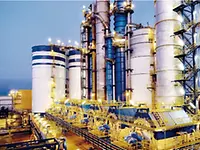
Explore ANDRITZ' Automation and Digitalization solutions for the Pulp industry, specifically for the Fiberline process area.

Explore ANDRITZ' Automation and Digitalization solutions for the Pulp industry, specifically for the Recovery and Power side streams.

Explore ANDRITZ automation and digitalization solutions for the Pulp drying process area to enhance efficiency and performance.
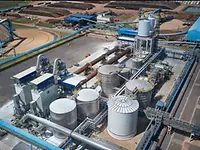
Explore ANDRITZ' Automation and Digitalization solutions for the Pulp industry, specifically for the White liquor plant.

ANDRITZ provides a true Digital Twin solution for industries using IDEAS simulation software and its unique execution platform.

Explore ANDRITZ' Automation and Digitalization solutions for the Pulp industry, specifically for the Power boiler.

Explore ANDRITZ's Intelligent Instruments - Smart Series portfolio. It includes a comprehensive range of measurements, analyzers, machine vision systems, condition monitoring solutions as well as robotics and mechatronics. These solutions give customers an intelligent instrumentation foundation, paving the way toward process optimization and autonomy.


