


This is an important project not just for us, but for national sustainability goals. We needed a partner with proven, scalable technologies and deep understanding of India’s market dynamics.
Rajpal Yadav
Director, K2 Group of Industries

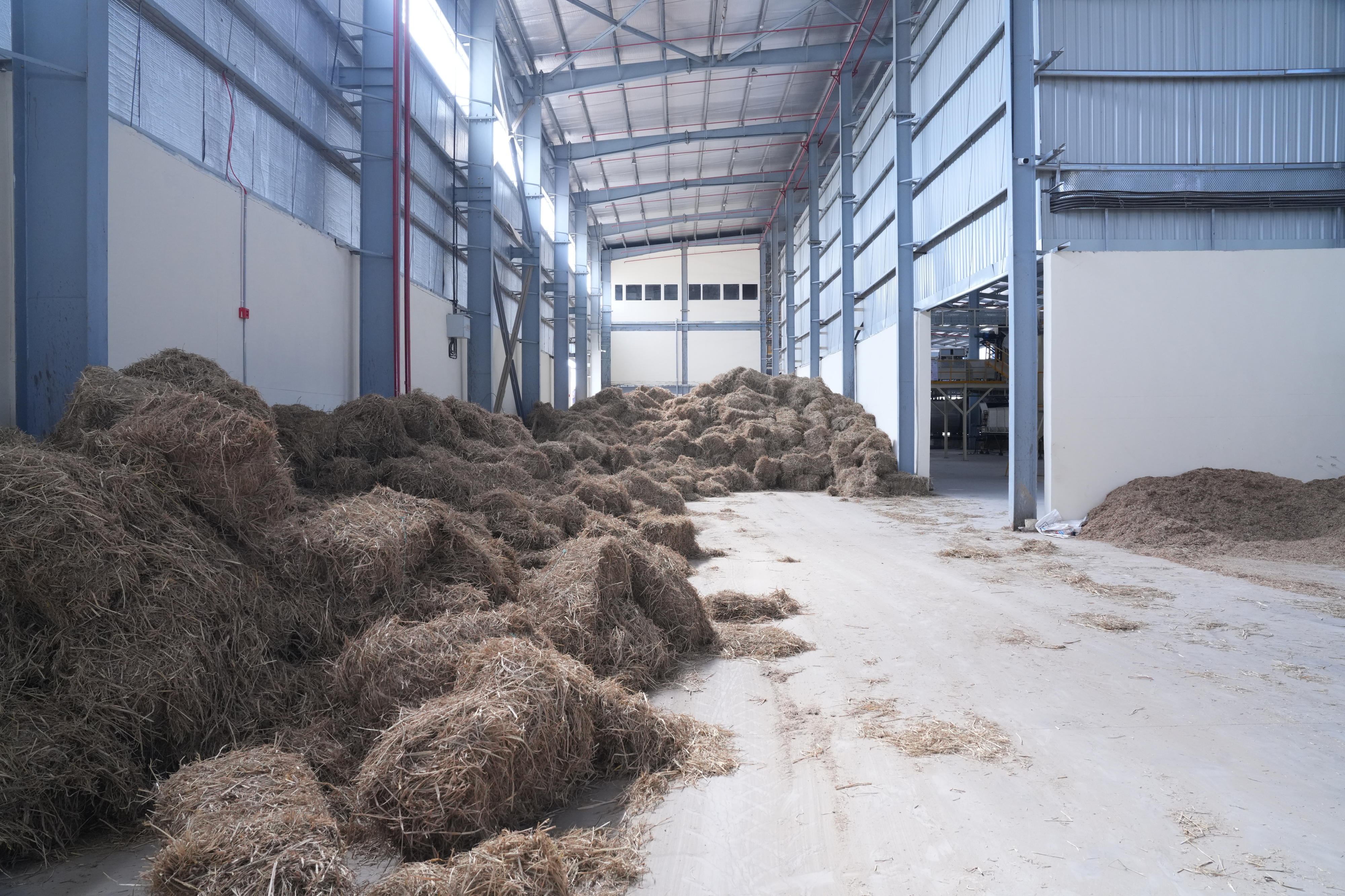
Each autumn, air pollution becomes impossible to ignore across northern India. The burning of crop residues in Punjab and Haryana sends dense smog across the Delhi National Capital Region, with immediate consequences for public health, mobility, and the environment. What has long been treated as an unavoidable seasonal problem is now being addressed through industrial-scale solutions.
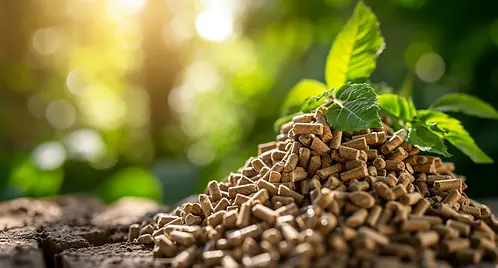
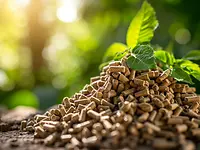
K2 Biofuels, working in partnership with ANDRITZ, is converting agricultural waste into clean-burning biomass pellets. Transforming an environmental liability into a dependable energy resource and offering a practical alternative to open-field burning.
Processing rice straw and mustard straw is technically demanding. Both materials have high moisture content, variable composition, and tough fibrous structures that complicate drying, grinding, and pellet formation. Without carefully engineered process control, output quality and plant uptime can quickly suffer.
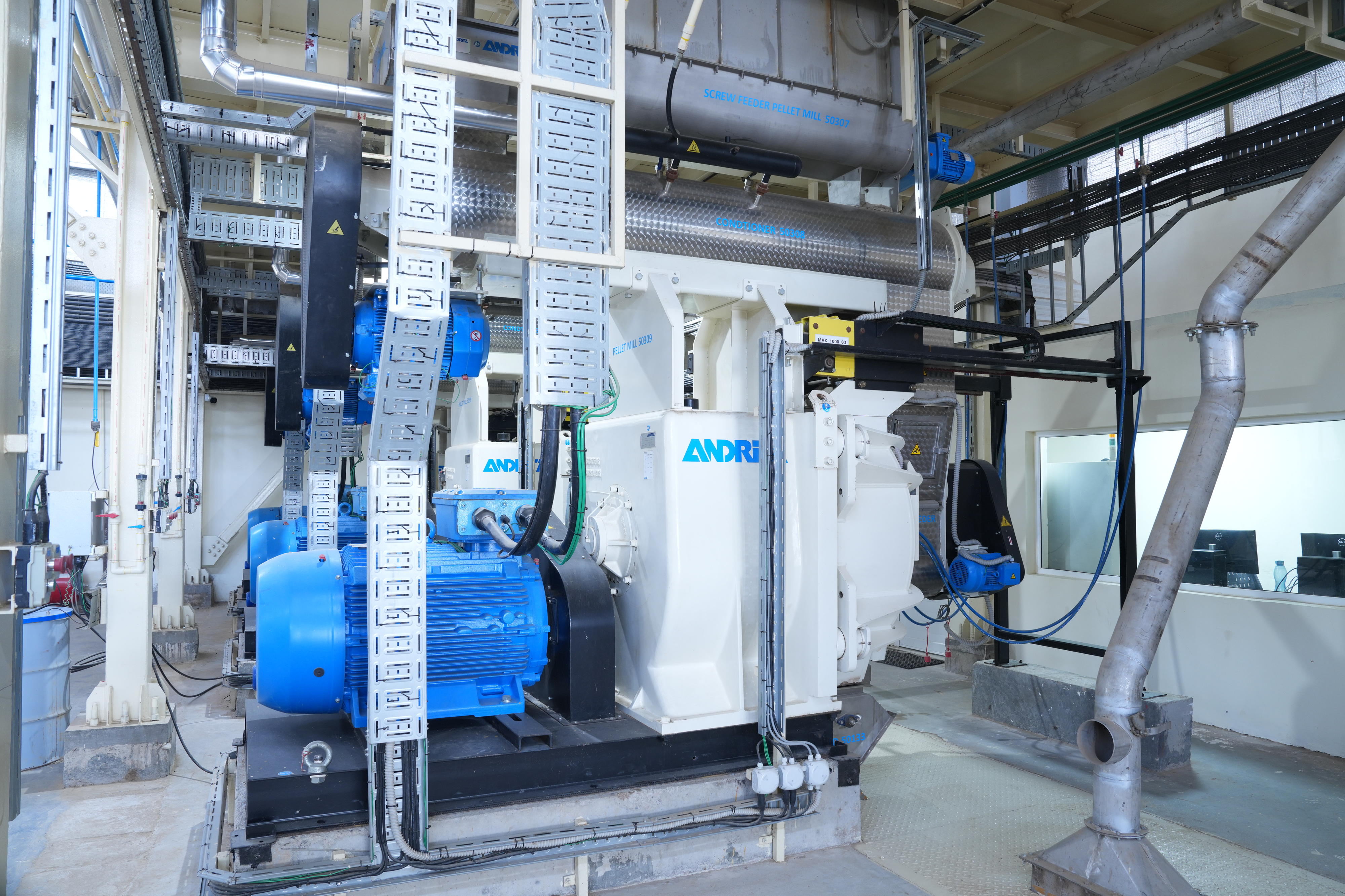
ANDRITZ delivered the complete biomass pelleting plant as an integrated project, covering engineering, equipment supply, installation, and commissioning. The plant process includes raw material preparation, drying, size reduction, pelleting, cooling, screening, automation, and packaging, giving K2 Biofuels a single point of responsibility for the entire facility.
The plant is engineered to process three distinct raw materials: rice straw, mustard straw, and wood logs. This makes it the first facility in India capable of handling such diverse biomass streams within one integrated system, ensuring flexibility despite seasonal and quality variations in raw materials supply.
The Haryana plant processes up to 210 tons of agricultural residue per day. Instead of being burned in open fields, this material is converted into biomass pellets used for co-firing in National Thermal Power Corporation (NTPC) thermal power stations.
Combustion still occurs, but under controlled industrial conditions that deliver usable energy while significantly reducing environmental impact. The results are tangible: lower air pollution during peak burning season by farmers, reduced reliance on fossil fuels, and new revenue streams for agricultural waste. Rural communities benefit not only from cleaner air, but from participation in a growing renewable energy value chain.
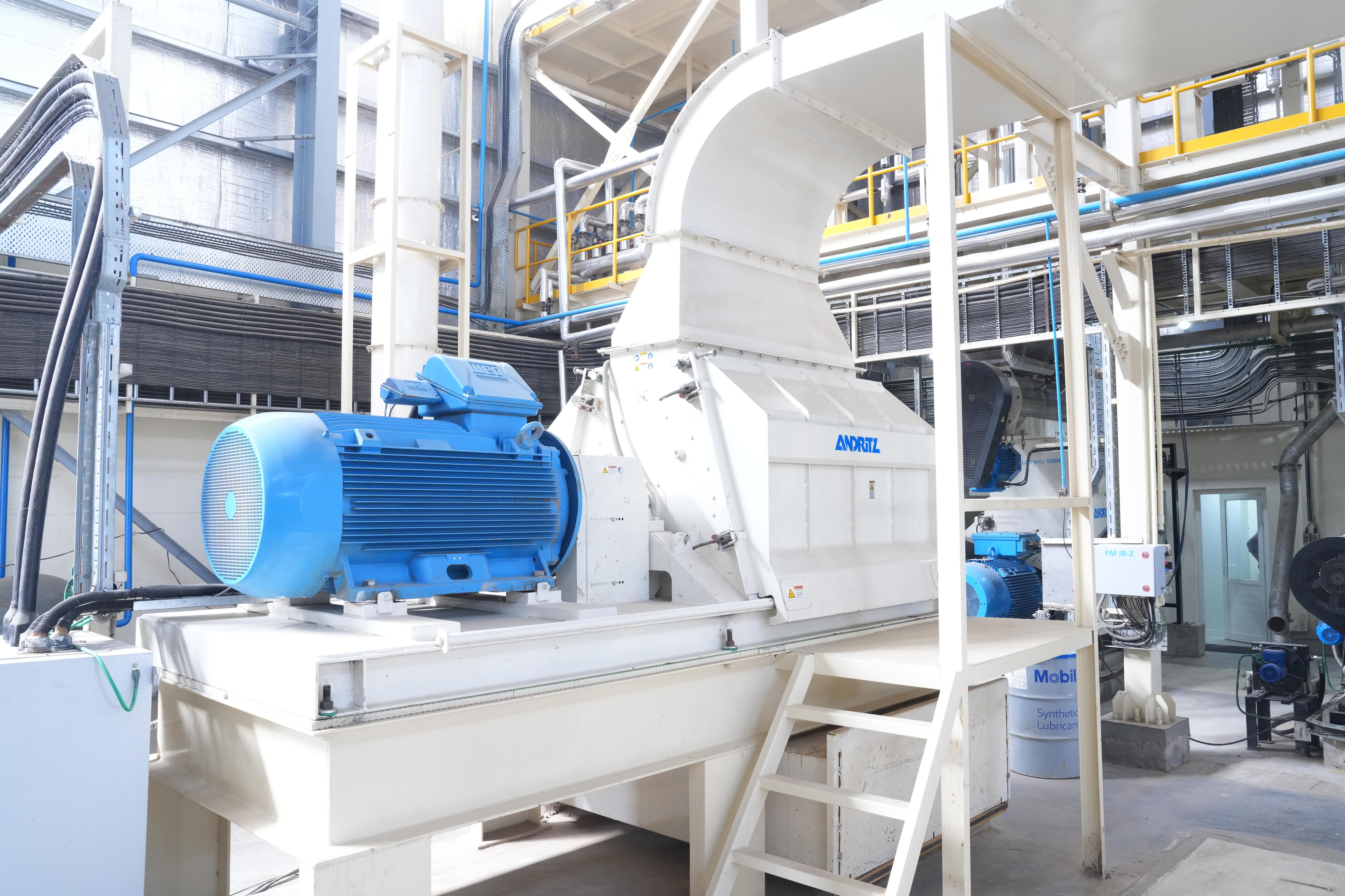
ANDRITZ supplied key equipment including chippers, hammer mills, pellet presses, coolers, screens, and packaging lines. A programmable logic controller–based automation system integrates the full process into a single control platform, allowing operators to manage the entire plant through centralized dashboards.
The design emphasizes high availability, energy efficiency, and low wear rates. Durable components, optimized layouts, and real-time monitoring reduce operating costs while supporting long-term reliability under demanding operating conditions.
Rajpal Yadav
Director, K2 Group of Industries
Following the successful execution of the Haryana pellet plant, K2 Group of Industries has announced plans to expand into advanced biofuels through a separate ethanol venture. ANDRITZ has been awarded responsibility for the engineering, procurement, construction, and commissioning of this future project, which is currently in the early development phase.
The planned facility is designed to use biomass instead of fossil fuels for process energy, creating a closed-loop manufacturing model. While distinct from the pellet plant, the project builds directly on the technical experience, operational insight, and partnership established in Haryana.
The Haryana biomass pellet plant demonstrates how targeted engineering and local collaboration can convert an environmental challenge into a scalable industrial solution. For K2 Biofuels and ANDRITZ, the project shows that large-scale biofuel production can support cleaner air, reliable energy supply, and rural economic development, without relying on unproven concepts or short-term fixes.
Each autumn, the impact becomes visible. Less smoke. Clearer skies. And steady progress toward a more sustainable energy system for India.
Pavan Kumar Pawar
Vice President, South Asia Feed & Biofuel

Capacity: 210 tons/day of agricultural waste (rice straw, mustard husk)
Output: Biomass pellets for co-firing in NTPC thermal power stations
ANDRITZ Scope: Complete turnkey solution including: Chippers, hammer mills, pellet presses, coolers, screens, packaging lines. The scope also includes an integrated PLC system with single-user interface and digital dashboards for easy operation
K2 Biofuels Partners with ANDRITZ to Meet Growing Demand for Sustainable Energy in India.
ANDRITZ designs and builds key process machines, as well as complete biofuel pellet plant solutions for the global renewable energy sector.


The 1st Shift – Technology. Transition. Trust. We are delighted to introduce you to The Shift, the new magazine from our Environment & Energy business area.

K2 Biofuels Partners with ANDRITZ to Meet Growing Demand for Sustainable Energy in India.

ANDRITZ designs and builds key process machines, as well as complete biofuel pellet plant solutions for the global renewable energy sector.


The 1st Shift – Technology. Transition. Trust. We are delighted to introduce you to The Shift, the new magazine from our Environment & Energy business area.

Our extensive product portfolio covers a spectrum of technologies ranging from mechanical and thermal solid/liquid separation, grinding, pelletizing, pumping fluids, emission reduction technologies, carbon capture, to green hydrogen and renewable fuel production.
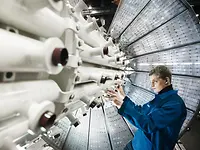
ANDRITZ Separation is the world’s leading separation specialist, with the deepest knowledge, broadest technical resources, and most comprehensive service solutions.
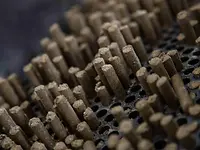
ANDRITZ offers an extensive line of equipment and complete plant solutions for the production of high-quality feed and biomass products.
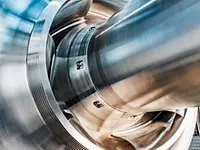
Our engineered pumps are operating in various industrial applications successfully all over the world. They offer robustness and wear resistance and fulfill highest customer expectations in terms of efficiency, life cycle, maintenance friendliness and economic efficiency.
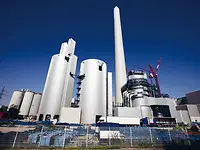
We provide you with tailor-made air pollution control solutions focusing on reduced emissions and improved performance and efficiency to meet changing market conditions and comply with asset strategies. Our offering covers the entire flue gas line, ranging from particulate control, dry and wet scrubbers, to multi-pollutant equipment for industrial, waste-to-energy and power generation plants.

ANDRITZ provides holistic and integrated P2X solutions for producing green hydrogen, e-methanol and e-ammonia.

Welcome to our Tradeshows & Events page! Here you'll find a selection of our key tradeshow participations of this year.