WHY NOW – AND WHY IT MATTERS
Some might wonder why invest in equipment that will only run for short periods each year. But climate variability is changing the odds. Extreme rainfall events are becoming more frequent and more intense, and urban networks need redundancy and surge capacity to avoid cascading failures. Vienna’s strategy has always been forward-looking: anticipate risks, maintain systems, and upgrade before disaster strikes.
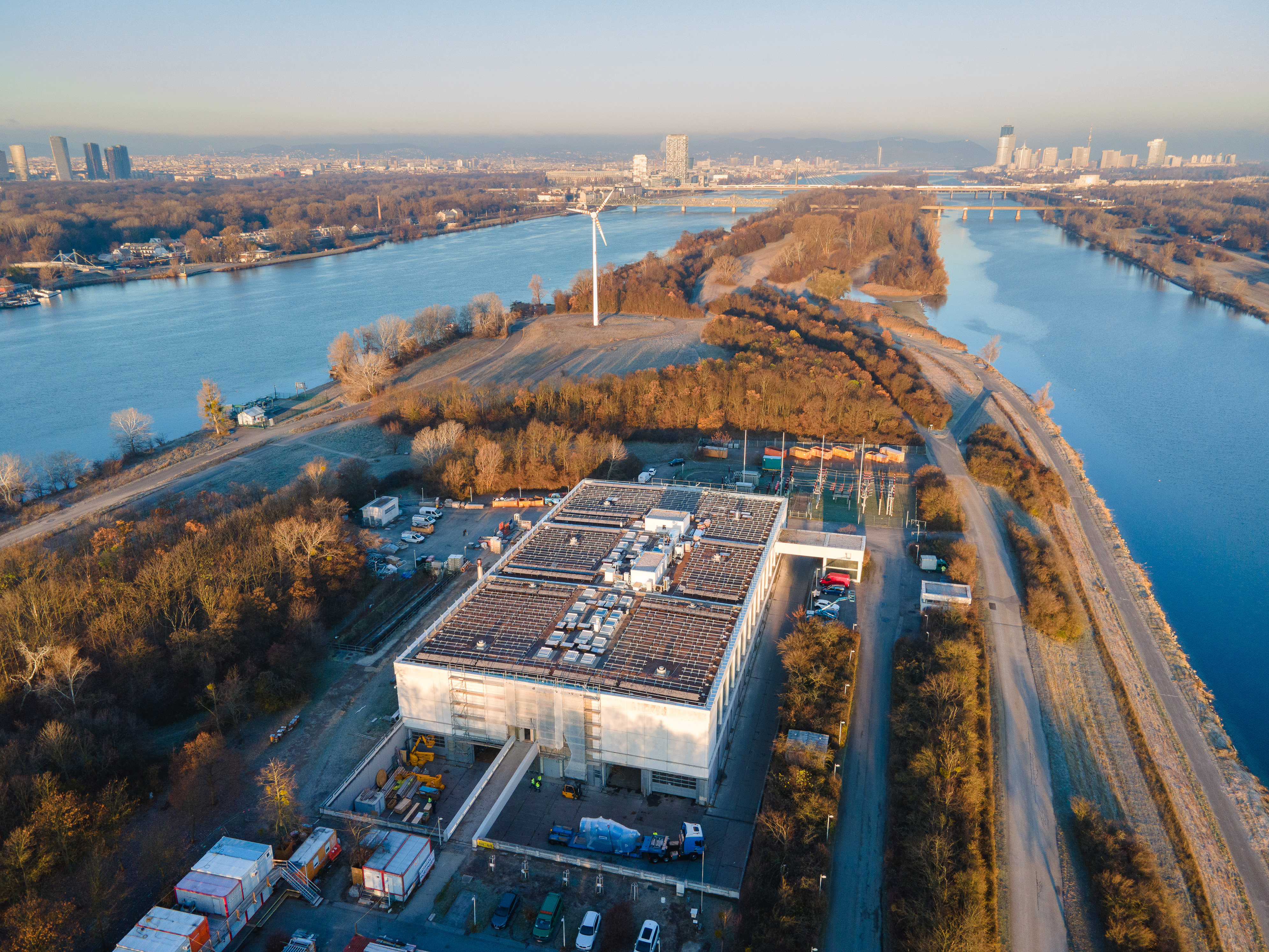
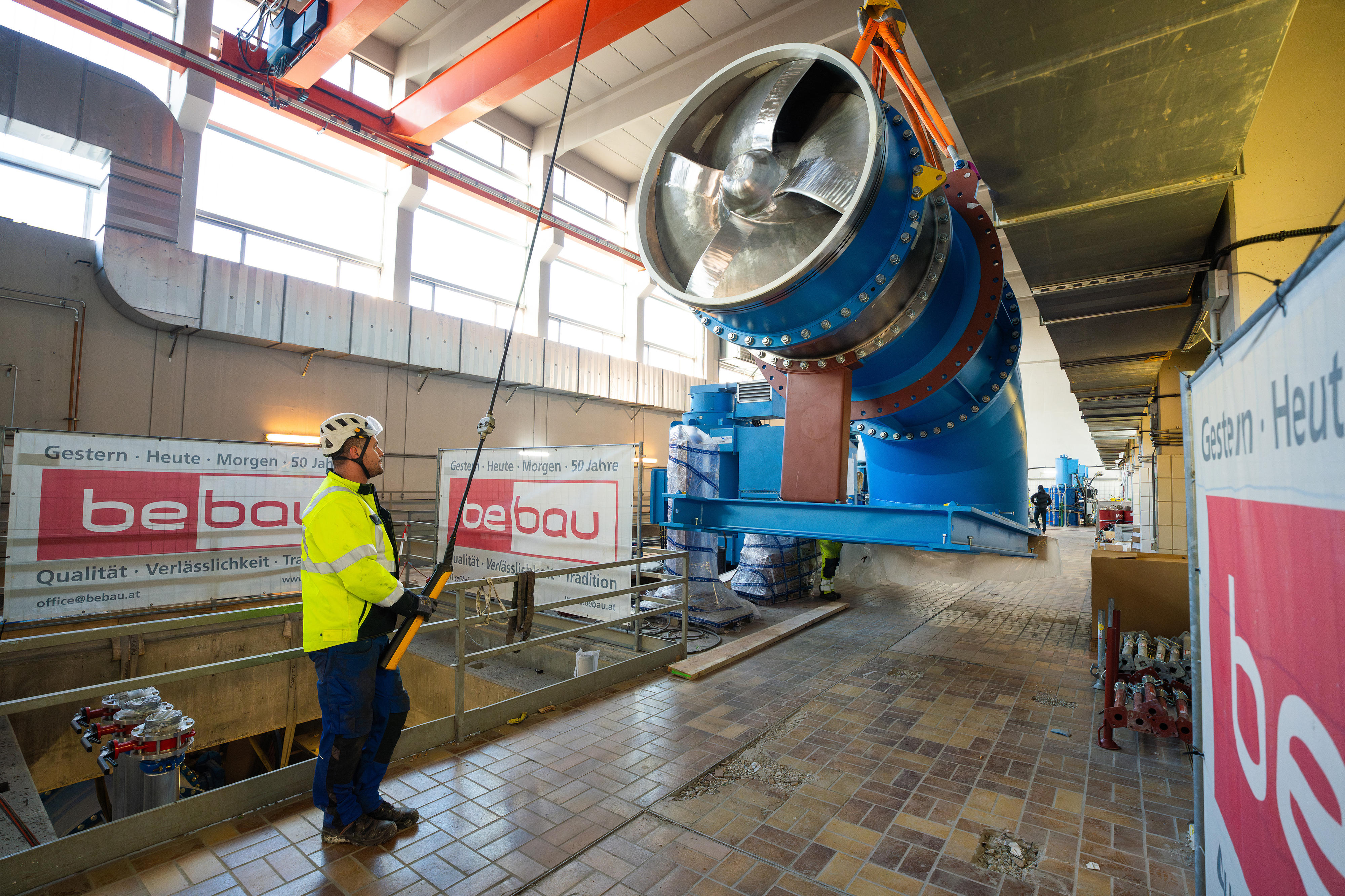
For residents of Floridsdorf and Donaustadt, the benefits are clear: shorter flooding periods, reduced overflow risk, and faster recovery when storms hit. For operators, the system gains precision and buffer capacity, ready to respond automatically when sensors detect rising flows. Within minutes of a cold start, the impeller can ramp up to 300 revolutions per minute.
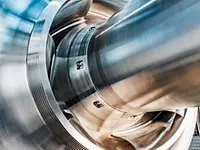
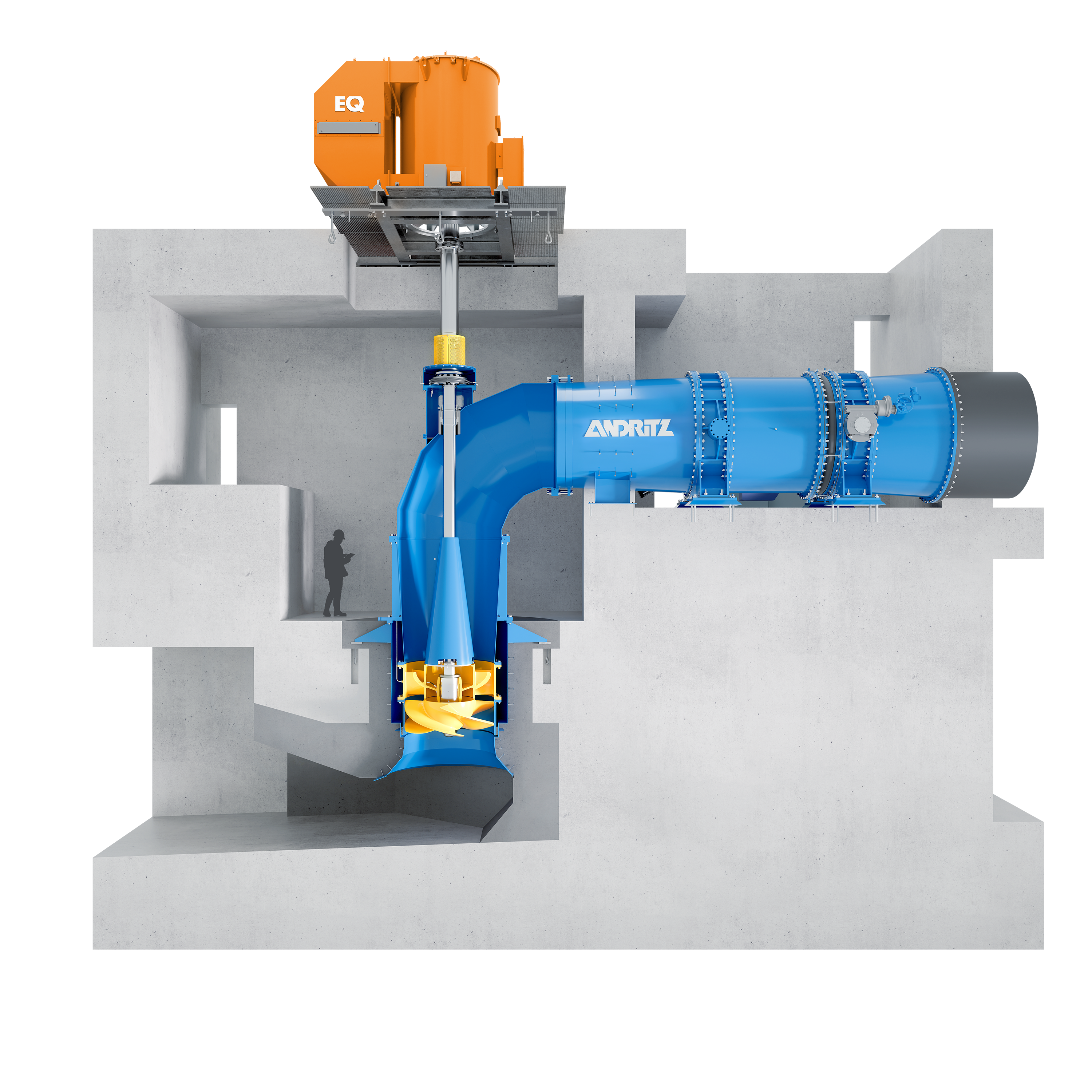
With up to 15,000 liters of water being sucked through the pump every second, the strain on the impeller can be enormous. To ensure reliability well into the second half of the 21st century, ANDRITZ engineers designed every component – from the impeller and housing to the shaft seal – for a service life of 50 years, even under emergency conditions with abrasive, high-speed flows. This includes wear-resistant stainless steels, multi-layer coating systems on exposed surfaces, and optimized bearing arrangements to minimize mechanical losses.
How much use will it see in that time? Based on the likely frequency of heavy rainfall in the region, the new pump is only expected to operate for about 50 hours per year. That may sound like an overkill, but in those rare hours, it protects thousands of homes and lives – proof that resilience is built for the moments that matter most.