


More stories of interest around the nonwoven business
ANDRITZ teXscan debuts at ITMA Asia 2025: One-second recyclability scoring for textiles
This brand-new predictive analysis system delivers instant, objective recyclability scoring for textiles.
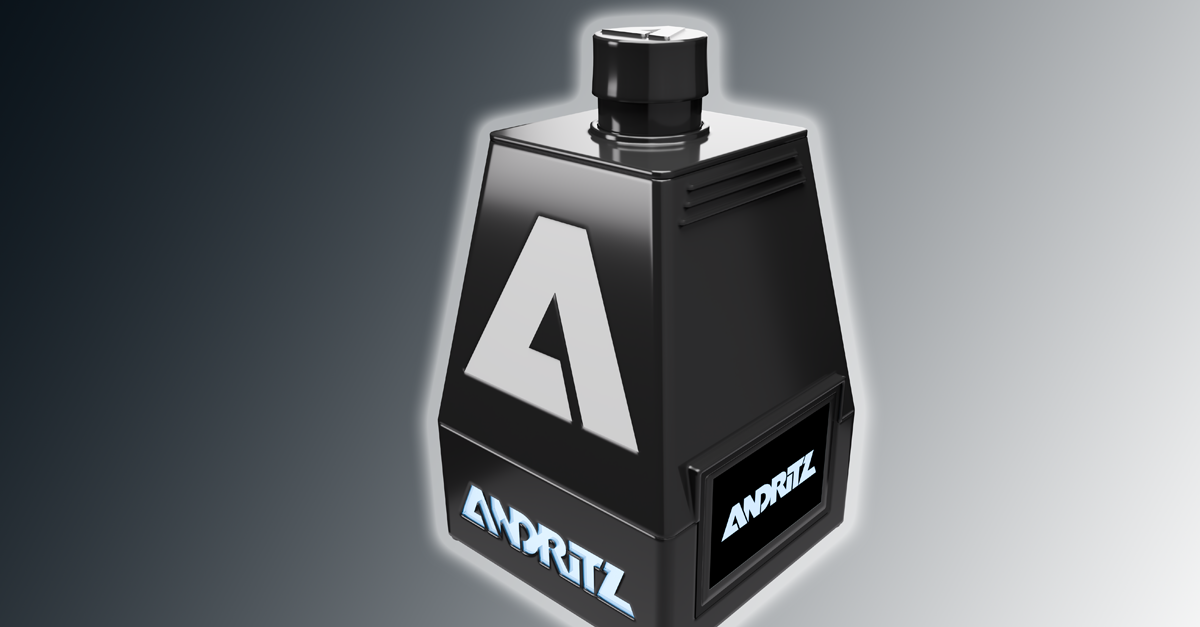
At this year’s ITMA Asia + CITME, held at the Singapore Expo, international technology group ANDRITZ unveiled its latest innovation in textile recycling. he launch marks a pivotal moment in the industry’s journey toward scalable, circular textile processing.
FROM DEBATE TO DECISION: THE TEXSCAN BREAKTHROUGH
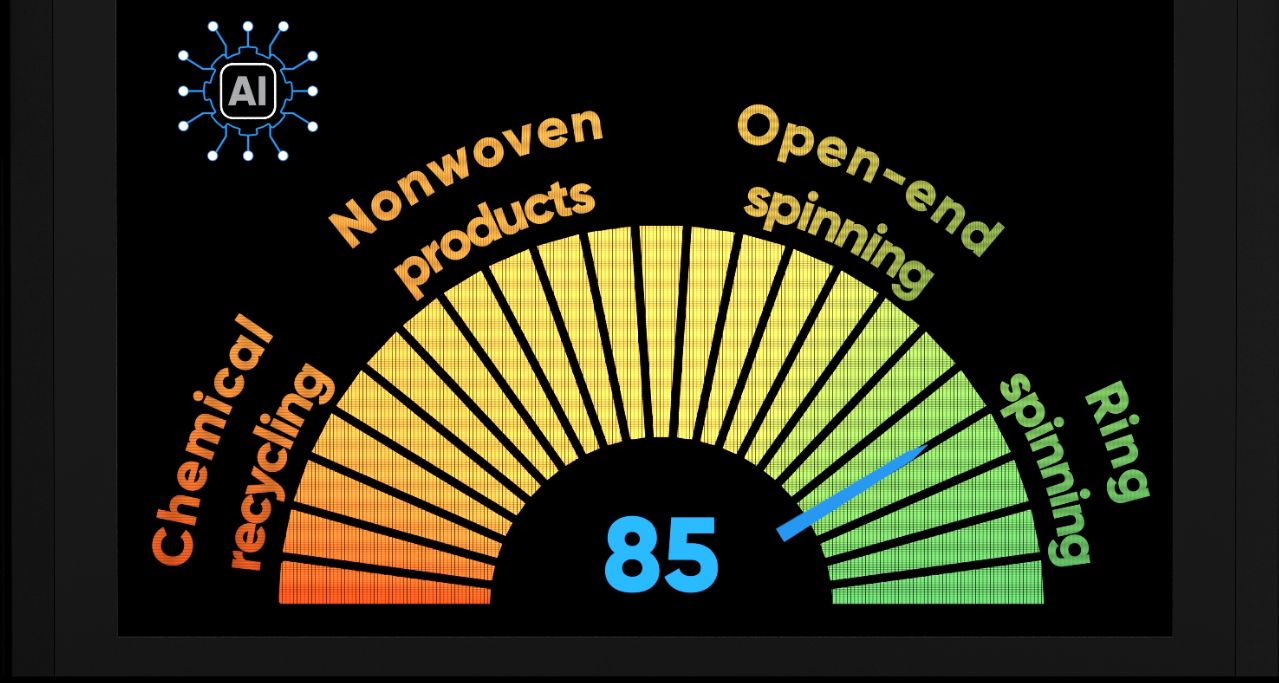
The path to true textile-to-textile circularity has long been hindered by slow testing methods and subjective assessments. ANDRITZ teXscan changes that. With a one-second, non-destructive scan, the system evaluates textiles at the fabric, yarn, and fiber level, generating a teXscore from 1 to 100—where 100 indicates the highest recycling tier.
But teXscan goes further. Each score is paired with a recommended processing pathway: Ring-Spinning, Open-End Spinning, Nonwoven, or Chemical Recycling. This dual output empowers operators to make production-minded decisions instantly, aligning material quality with the most suitable downstream process.
WHY 1 NUMBER MATTERS
Different recycling routes demand different fiber qualities. Ring-spinning requires long, uniform fibers for premium yarns. Open-end spinning tolerates shorter fibers for coarser counts. Nonwoven production accommodates a wide range of fiber lengths. Chemical recycling becomes essential when blends or degradation limit mechanical reuse.
teXscan reflects this hierarchy. A high score tagged for ring-spinning signals premium fiber potential. A mid-range score with an open-end tag supports rotor lines. A lower score with a nonwoven tag channels material into insulation or technical applications. And when chemical recycling is flagged, planners can prioritize depolymerization or dissolution routes instead of forcing marginal mechanical outcomes.
THREE PILLARS OF ANDRITZ TEXSCAN'S VALUE
- Speed: The scan completes in about one second, enabling real-time intake triage and continuous lab workflows.
- Objectivity: teXscan replaces human variability with consistent, auditable scoring, without cutting or damaging the sample.
- Fit-for-Purpose Outputs: The teXscore is designed to map directly to established recycling pathways and quality expectations.
LIVE AT ITMA ASIA 2025
Visitors to Booth D106, Hall 2 at ITMA Asia 2025 experienced teXscan firsthand. The system was showcased alongside ANDRITZ’s broader portfolio of sustainable technologies, including automated textile sorting, lyocell production systems, and durable nonwoven innovations.
Attendees were invited to bring their toughest samples and challenge teXscan to “make the call”- instantly. The response was enthusiastic, with live demos sparking conversations about how teXscan could become the backbone of future industrial sorting lines.
A ROADMAP TO SCALABLE CIRCULARITY
As a company with deep roots in fiber preparation, tearing, and advanced recycling technologies, ANDRITZ is uniquely positioned to scale teXscan. Today, it supports single-item testing for brands, sorters, and R&D teams. Tomorrow, it promises high-throughput classification for industrial recycling.
In short, ANDRITZ teXscan turns recyclability from a debate into a decision, grounded in observable parameters, translated into a single score, and tied directly to the next processing step. It’s a practical leap toward the efficiency and transparency that large-scale circularity demands.

Related Links
MECHANICAL TEXTILE RECYCLINGAutomated SortingEngineered Textiles: Needlepunch, Airlay and moreAIRLAYITMA Asia 2025 homepage

MECHANICAL TEXTILE RECYCLING
ANDRITZ Laroche offers turnkey solution for the mechanical recycling process of textiles, including all machinery and equipment from sorting systems, cutters, blending boxes, tearing machines to baling press.

Automated Sorting
Discover automated sorting for textile recycling

Engineered Textiles: Needlepunch, Airlay and more
Get an overview of ANDRITZ technology for the production of durable nonwovens
AIRLAY
ANDRITZ offers Airlay technology for numerous end uses in nonwovens processing, durables and disposables.
ITMA Asia 2025 homepage
ANDRITZ at ITAM Asia 2025