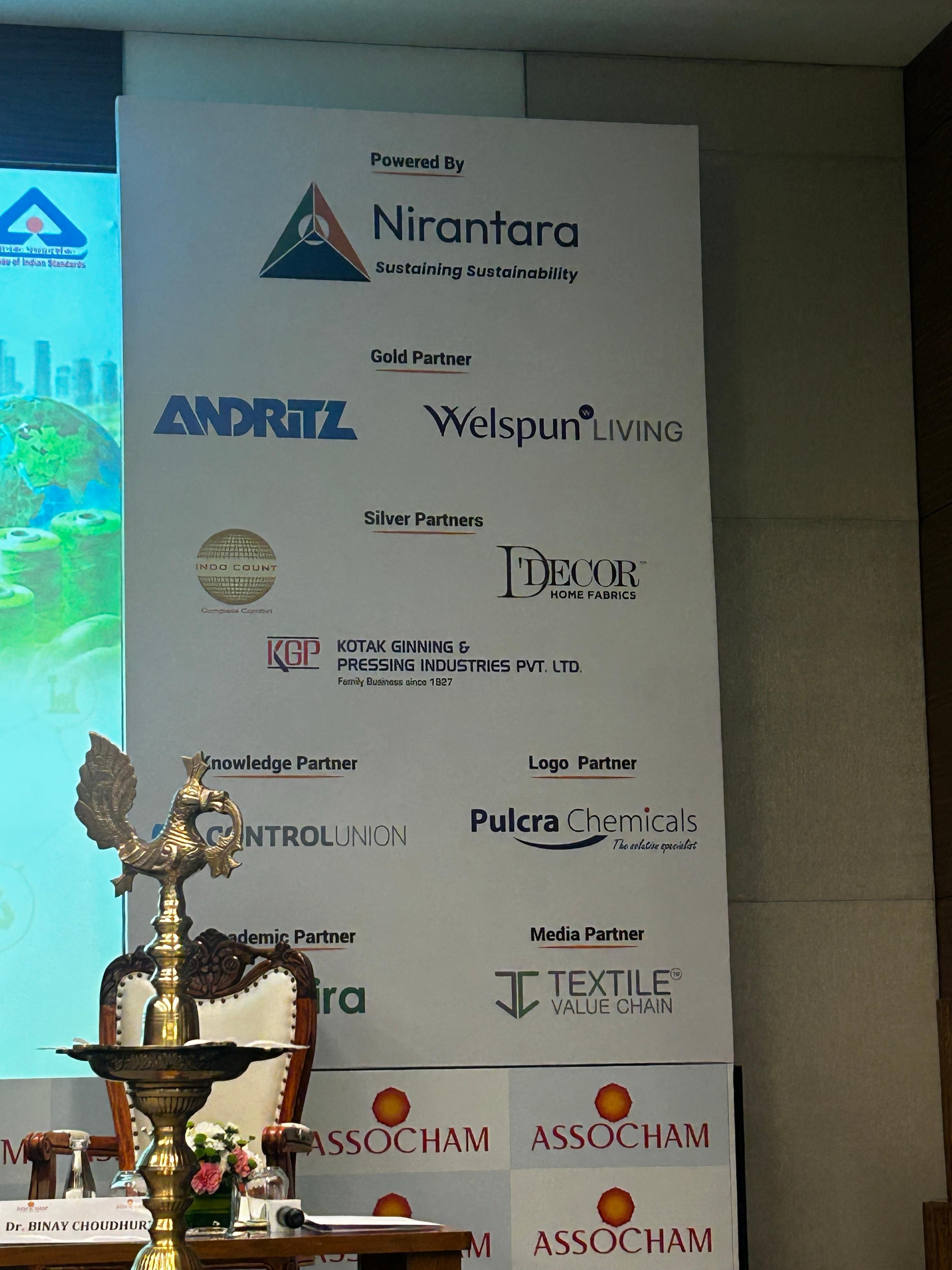


Sajeesh Narayanan,
Senior Manager Service & Automation, ANDRITZ Technologies PVT, India

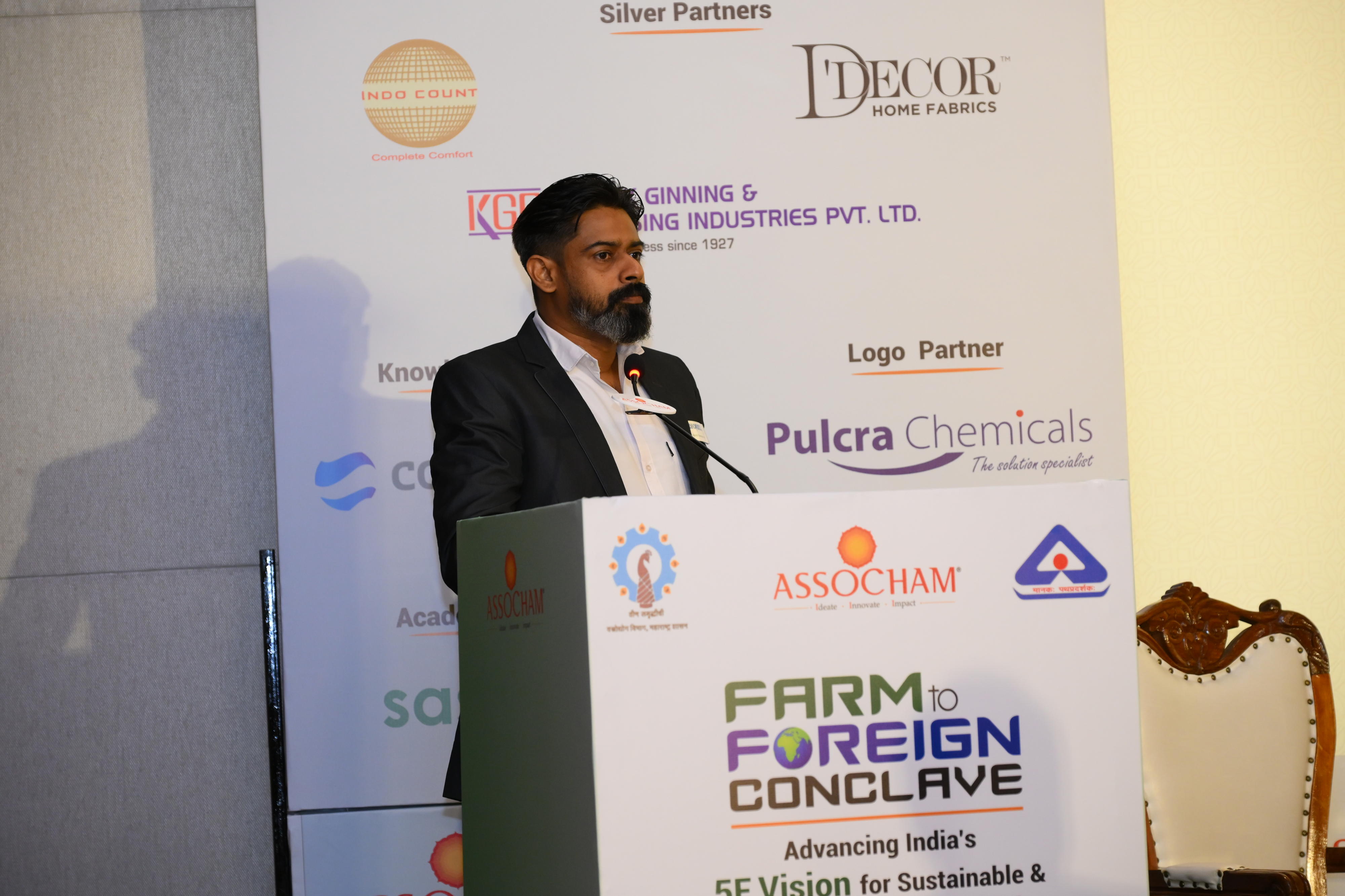
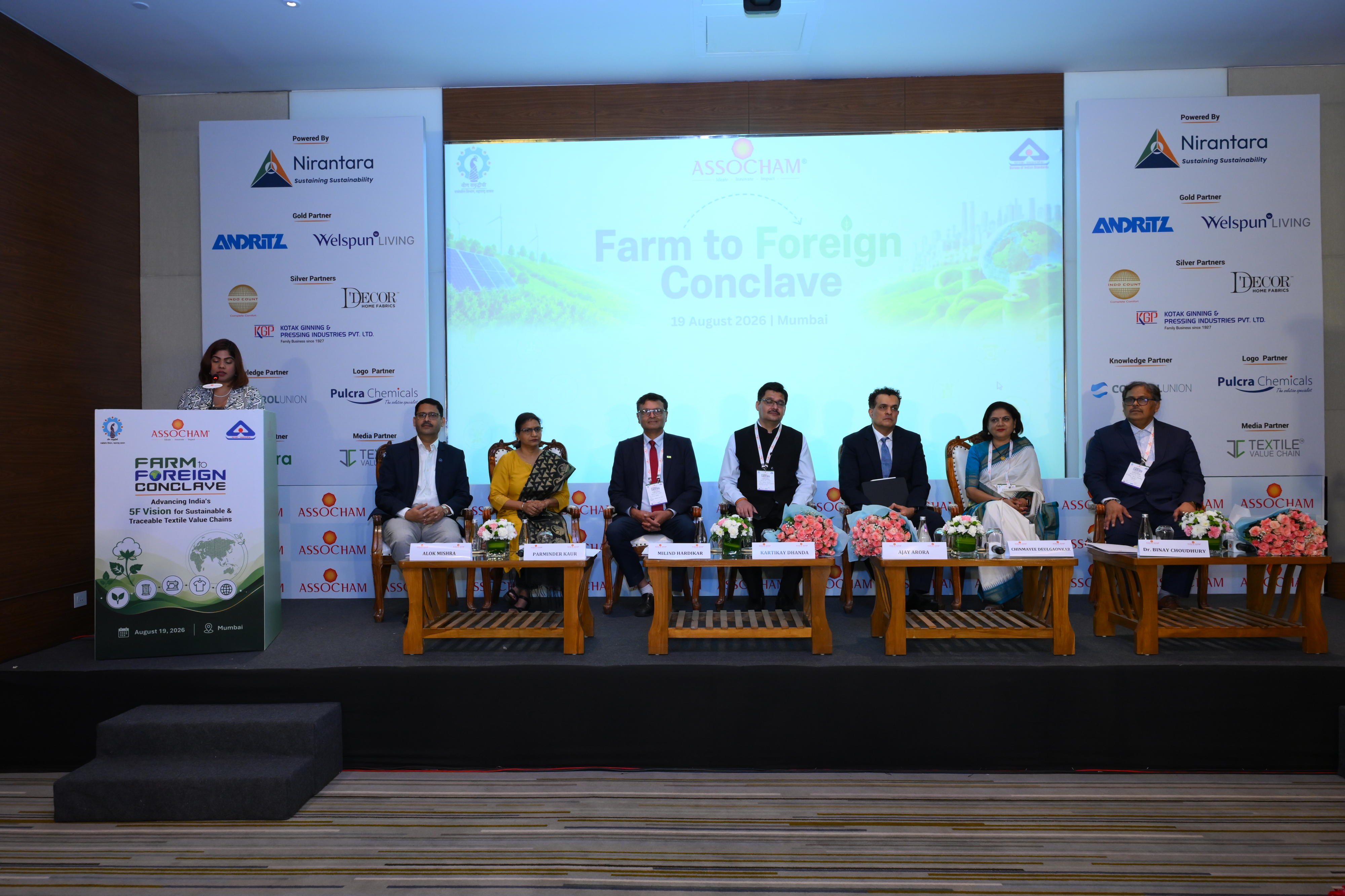
At the Farm to Foreign Conclave 2026, organized by ASSOCHAM, The Associated Chambers of Commerce and Industry of India, in Mumbai, ANDRITZ presented its comprehensive approach to creating a more circular, traceable, and sustainable textile industry.
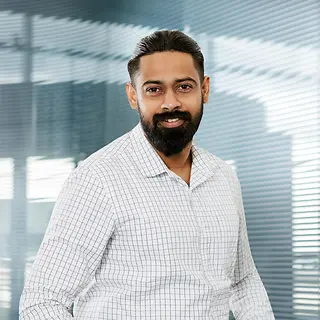
The event focused on the Indian government’s 5F Vision: Farm → Fibre → Factory → Fashion → Foreign. Discussions highlighted the increasing importance of traceability, circularity, and compliance with evolving global sustainability requirements.
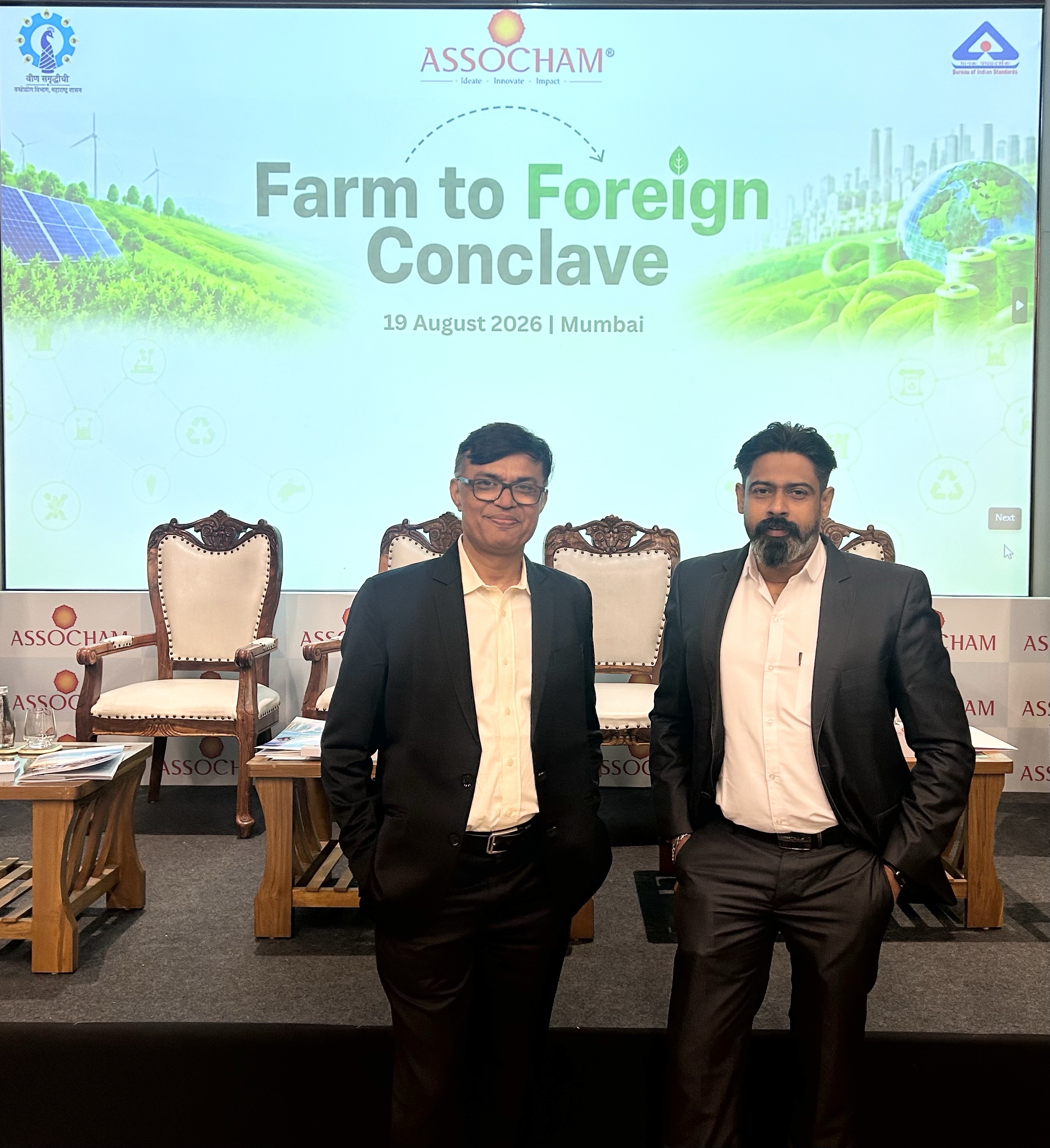
Representing ANDRITZ, Sajeesh Narayanan participated in the event together with esteemed business partner Yogesh Nawandar. Their contribution demonstrated how advanced recycling technologies can help transform textile waste into valuable raw materials and new products.
A circular textile value chain begins with identifying the composition and quality of textile waste. ANDRITZ offers automated sorting technologies that separate garments according to color and material composition. The ANDRITZ teXscan analyzer then helps determine the most suitable recycling route for each textile stream, from ring and open-end spinning to nonwoven production or chemical recycling.
ANDRITZ mechanical recycling systems can process a wide variety of pre-consumer and post-consumer textile waste. The tearing process is designed to maintain the original fiber characteristics by maximizing fiber length, strength, and feel. It also requires less water, uses very limited chemicals, and has a reduced machinery footprint compared with other textile recycling processes.
For textile-to-textile circularity, chemical recycling provides an additional route. Textile fibers are separated at molecular level, while dyes and unwanted components are removed. The resulting cellulose can be dissolved and spun into new man-made textile fibers without losing the relevant fiber properties.
ANDRITZ also connects textile recycling with nonwoven production. Recycled fibers from pre-consumer, post-consumer, and post-industrial waste can be processed through fiber preparation and airlay technology to create new nonwoven materials.
Potential applications include bedding, furniture, building and automotive insulation, and carpet underfelt. This variety demonstrates how textile waste can become a valuable resource for markets beyond traditional garment production.
With expertise in sorting, fiber preparation, mechanical and chemical recycling, re-spinning, and nonwoven production, ANDRITZ supports the development of new textile recycling value chains. A worldwide network of pilot plants and technology centers is available for customer trials and research and development work.
The session concluded with a message that reflects the ANDRITZ vision for the industry:
“At ANDRITZ, we recycle textiles into success, because value, not only compliance, has to be the real driver of circularity.”
A special thank you to ASSOCHAM for providing a valuable platform for discussions on the future of sustainable textiles and circular manufacturing.
News and other stories with focus on service topics , regarding nonwovens, textile and textile recycling

ANDRITZ provides responsive service for the nonwovens and textile industries, including spare parts, upgrades and modernization, roll technology, on-site service, and two technical centers