AdobeStock_1716234997

Striving for the 1.5°C – Biogenic CO₂ is what’s been missing from the renewable fuel industry

To restrict global warming to a maximum of 1.5°C as stated in the Paris Agreement, the global emissions would need to be reduced by 43% by 2030 and net zero reached by 2050. We at ANDRITZ see that reaching this goal calls for more than just promises. It requires resilient infrastructure, strong investments, and robust industrial execution. Only through these actions can solutions, like capturing biogenic CO₂, be turned into profit and become true game changers in reaching the climate targets.

The European Union has set a target for climate neutrality by 2050. It is supported by the Green Deal which sets a strategy for different industries on reaching the ultimate target as well as the milestone goal of reducing greenhouse gas emissions by at least 55% by 2030 when compared to year 1990. 

In the global scene, a major role in emission reductions is carried by transportation and traffic that is also recognized in the Green Deal. It outlines regulative paths for both industries towards a low-emission future.  

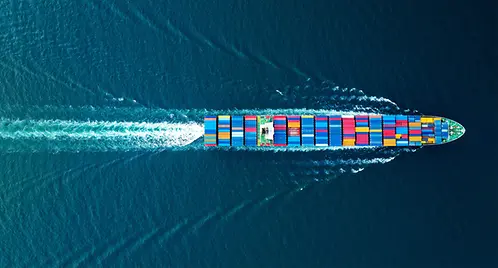
While road traffic is electrifying, the situation with aviation and shipping is more complex. They are recognized as hard-to-abate sectors and not viable for electrifying. They are also causing significant emissions with the shipping sector amounting to about 2.9 % and aviation to about 2.5% of global CO₂ emissions. 

Klaus Bärnthaler

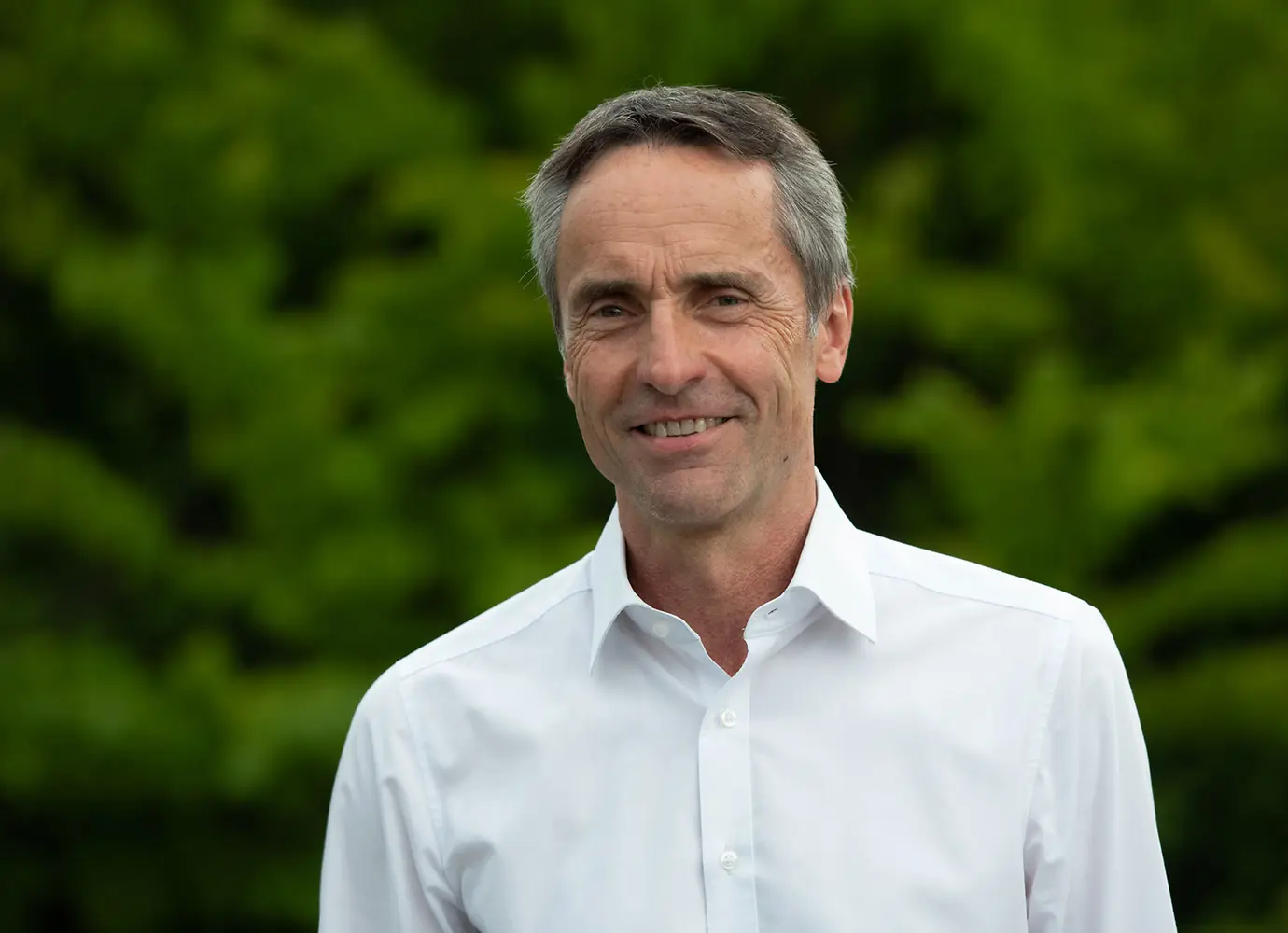
“Over 80% of global trade is transported by sea, with more than 100,000 vessels carrying food, oil, raw materials, and goods every day. Maritime traffic is essential to keep global trade moving, but nearly 100% of ships still run on fossil fuels. Finding sustainable alternatives is no longer optional; it is a must,”

Klaus Bärnthaler
Director Proposal & Business Development, Carbon Capture, ANDRITZ

One of the most promising ones is e-methanol produced from biogenic CO₂. As our Director of E-methanol Henrik Grönqvist emphasizes:  

“We cannot achieve climate neutrality without replacing fossil fuels with renewable alternatives. Fuels made from green hydrogen and biogenic CO₂ are essential to decarbonize hard-to-abate sectors like shipping and aviation.” 

AdobeStock_544033496

E-methanol turns biogenic CO₂ from emissions to a raw material 

E-methanol is a renewable, low-carbon fuel that can be used in both shipping and aviation. It is produced using biogenic CO₂ that originates from biomasses. Unlike fossil CO₂, biogenic CO₂ is part of the natural carbon cycle and as such doesn’t add up to the total amount of CO₂ in the atmosphere. As raw material it is sustainable and vastly available. The global pulp industry, for example, emits around 200 million tons of biogenic CO₂ every year.  


 Henrik Grönqvist Director of E-methanol, ANDRITZ

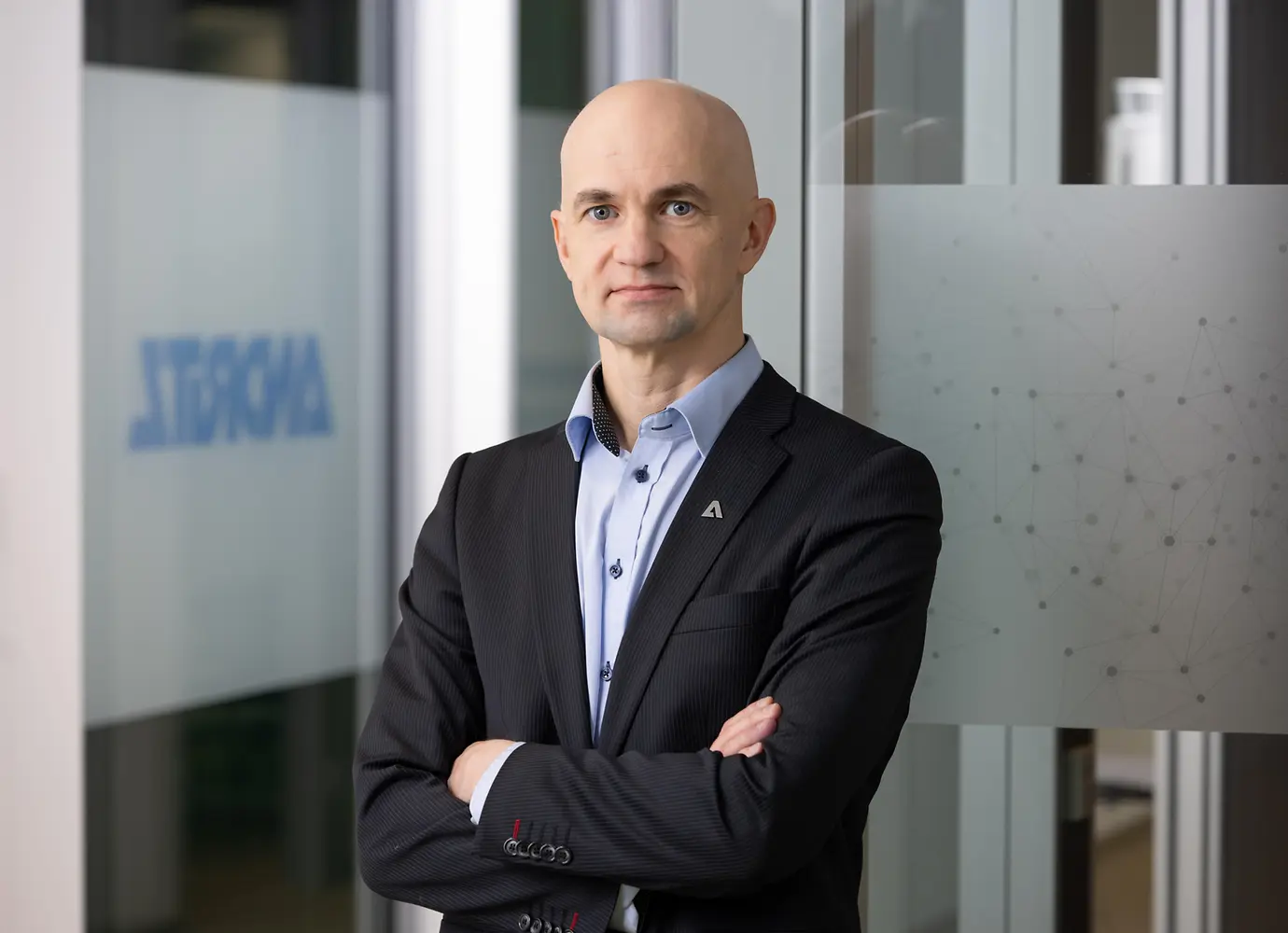
“Capturing biogenic CO₂ from pulp mills to produce e-methanol is a win-win: it reduces emissions from pulp mills, cuts emissions from shipping and aviation, and provides a renewable fuel that lowers reliance on imported oil and gas” 

Henrik Grönqvist
Director of E-methanol, ANDRITZ

There are also credible signs that the demand for e-methanol is on the rise. Several major global shipping companies are already investing in vessels that use e-methanol and in 2024, there were 195 e-methanol powered vessels in shipyards’ order books. It is estimated that in Finland, for example, commercializing biogenic CO₂ could increase forest industry’s revenues with 58%.  


AdobeStock_162470562 (2)

Technology is already there but who will be the first to seize it? 

ANDRITZ’s most recent technological innovation is capturing the biogenic CO₂ the pulp industry produces and using it as a raw material in P2X processes that produce sustainable, synthetic fuels, such as the above-mentioned e-methanol. 

The technology is already being successfully piloted in Finland. It is scalable and ready for industry wide use. The next step is to put it into practice. 

New solutions for a cleaner heavy industry do not just help businesses align their operations with tightening regulatory requirements. They help cut costs – and even create new products with profits. The key to solving this dilemma is in the hands of technology and engineering companies, such as ANDRITZ. Biogenic CO₂ and e-methanol are living proof of that. 

With the costs of climate change already on the rise, solutions that both mitigate climate change and create value are worth gold. The market is waiting, and the math is simple: The first players in an industry to utilize them will be the ones with the highest rewards. 

ANDRITZ P2X solutions

ANDRITZ responds to the urgent need for decarbonization and green transition. We provide integrated P2X solutions for the production of green hydrogen, e-methanol and e-ammonia — ranging from consulting to EPC projects with full performance guarantees. Our long-term service agreements are based on our proprietary digital solution. 

Explore our solutions

Authors

Henrik Grönqvist

Director E-Methanol


Contact information
Email: henrik.gronqvist@andritz.com

Klaus Bärnthaler

Director Proposal & Business Development, Carbon Capture


Contact information
Email: klaus.baernthaler@andritz.com