Performance & Efficiency
- Destruction Removal Efficiency (DRE): Up to 99%
- Thermal Energy Recovery (TER) : 96–97%
The performance of an RTO is defined by the Destruction Removal Efficiency (DRE), which is the value related to the amount of pollutants being destroyed in the system, while the Thermal Energy Recovery (TER) determines the amount of energy recovered during the process.
Suitable Applications
RTO systems are versatile and suitable for a wide range of industries, including wood processing, semiconductor, automotive, recycling, pharmaceuticals, and surface coating, among others. Their flexible design allows for multiple application scenarios.
Maintenance Considerations
RTO systems require minimal maintenance, typically involving inspection of seals, valves, ceramic media, and high-temperature insulation to ensure continued reliable performance.
How an RTO works
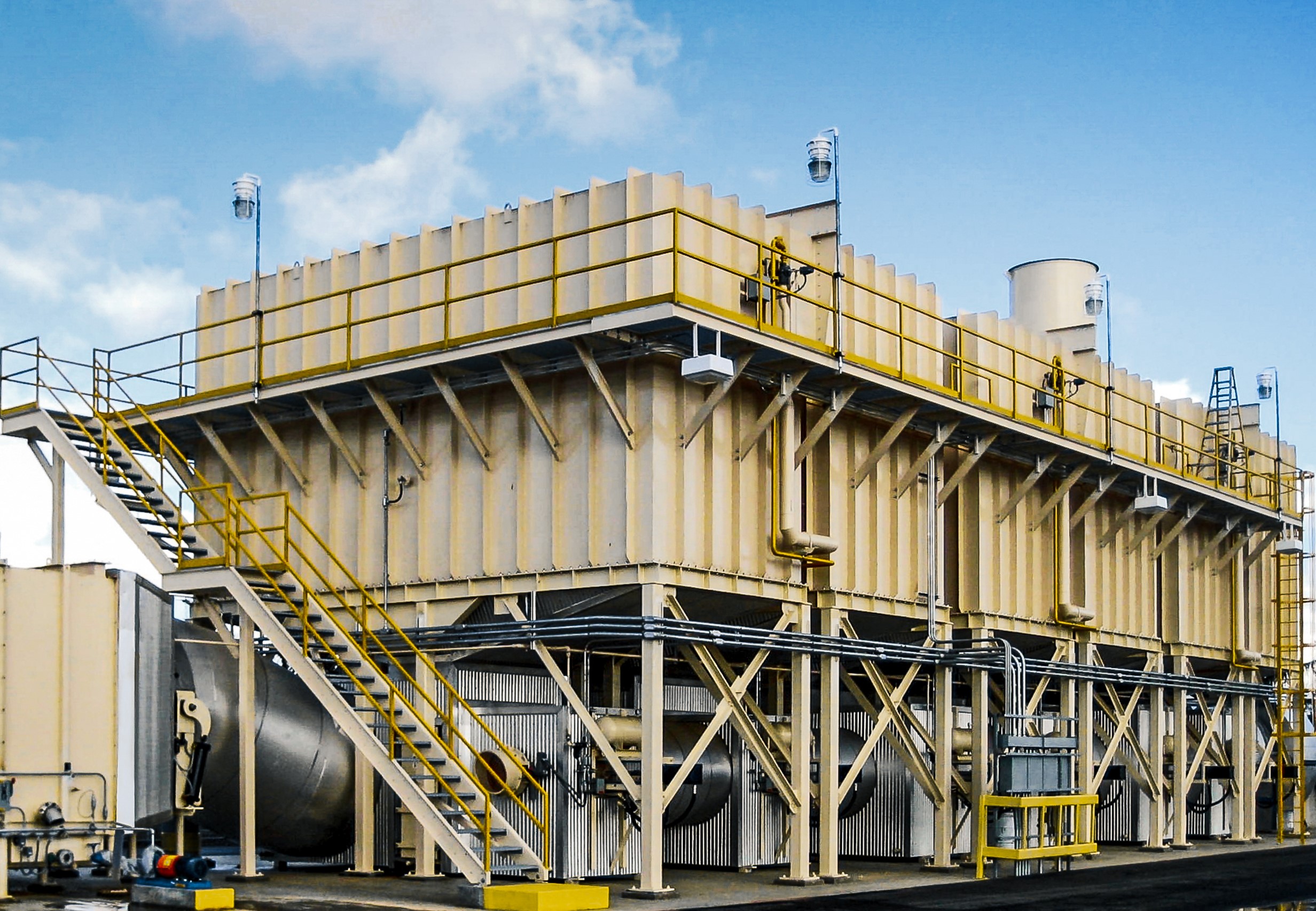
RTOs are Thermal Oxidizers working with high temperatures to oxidize pollutants to water vapor and carbon dioxide. The required thermal energy is regenerated to recover over 95% of the heat input added to the system (TER).
RTOs operate on three core principles: Temperature, Time, Turbulence.
- Temperature: Heat process exhaust to about 800-1,000°C (1,500–1,800°F) to oxidize VOCs/HAPs.
- Time: Maintain temperature long enough to ensure complete destruction.
- Turbulence: Mix air and heat for thorough oxidation.