ANDRITZ Belt drying system BDS

Biomass, RDF, and MSW drying - necessary pretreatment for further processes such as pelleting, briquetting, incineration, or gasification

The ANDRITZ belt drying system (BDS) is a flexible solution for drying biomass as well as alternative fuels such as refuse-derived fuel (RDF) and municipal solid waste (MSW).
Alternative fuels as an option to serve the rising demand for energy are the main driver in the municipal waste and biomass markets.
ANDRITZ supplies complete systems for biomass, sludge, and RDF/MSW processing – including shredding, screening, classification, drying, and pelleting – all from a single source.

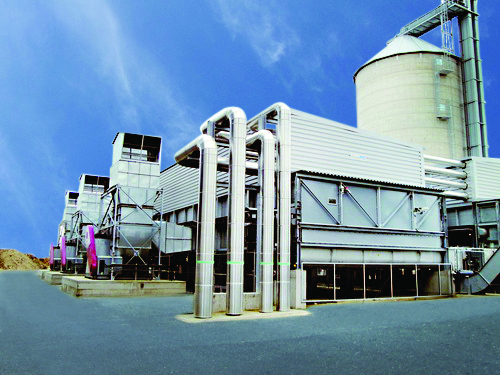
One of the world’s largest belt dryers for biomass, with eight meters belt width, in Lauterbach, Germany
 

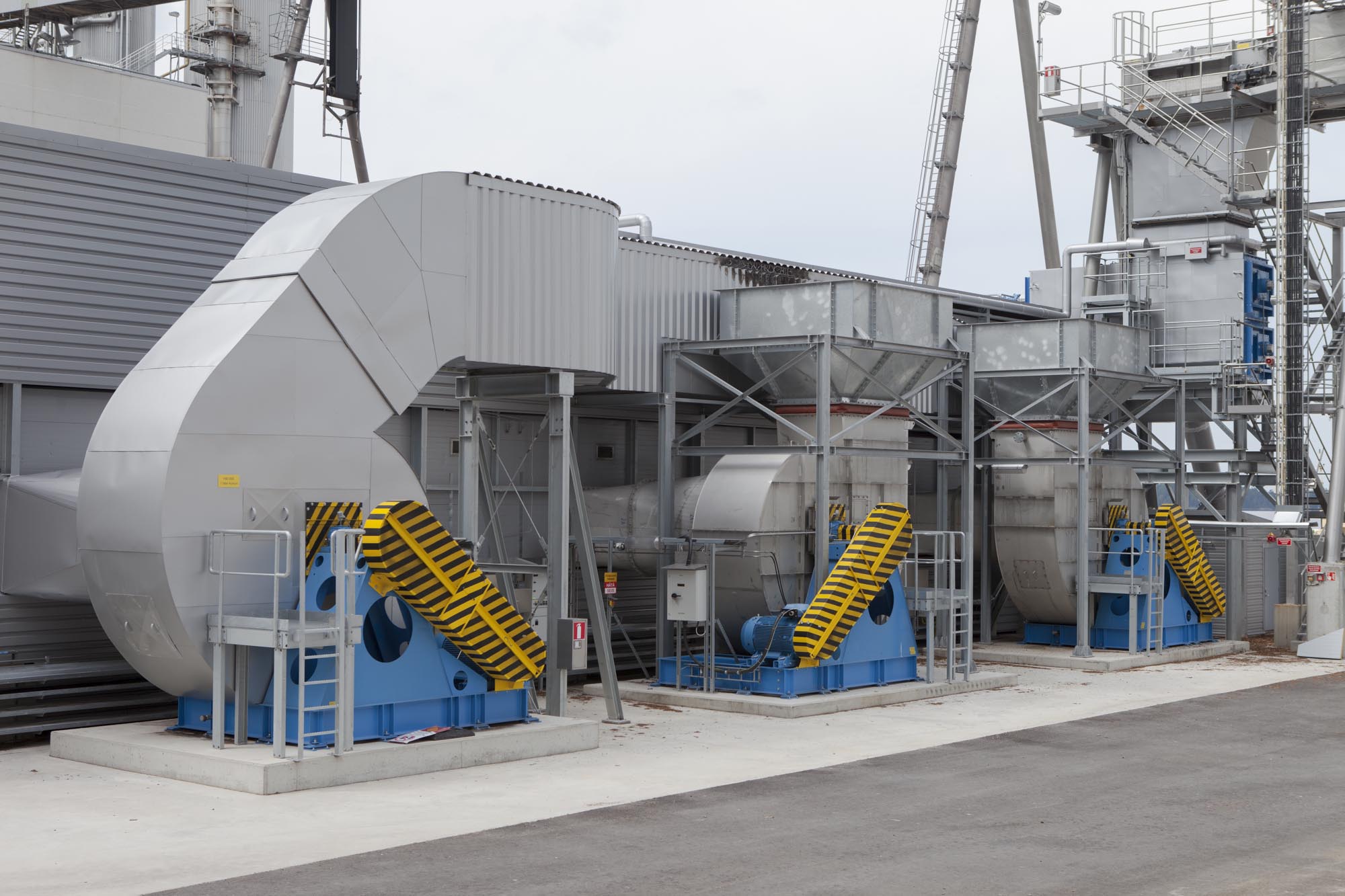
ANDRITZ belt dryer installation for biomass drying
 

Why biomass drying?

In most cases, biomass (wood bark, woodchips, sawdust, and energy chips) has to be dried before being used in pelleting, briquetting, incineration, gasification, or torrefaction. By reducing the biomass water content to 10-15%, its calorific value is increased from 2 kWh/kg to approximately 4.5 kWh/kg. This cuts the transport and storage costs, as well as creating ideal conditions for direct firing or optimum pelletizing properties, both for industrial and high-grade wood pellets. As a result of the drying process, less fuel input is required to generate energy, which also reduces emissions in downstream processes (e.g. combustion, gasification).

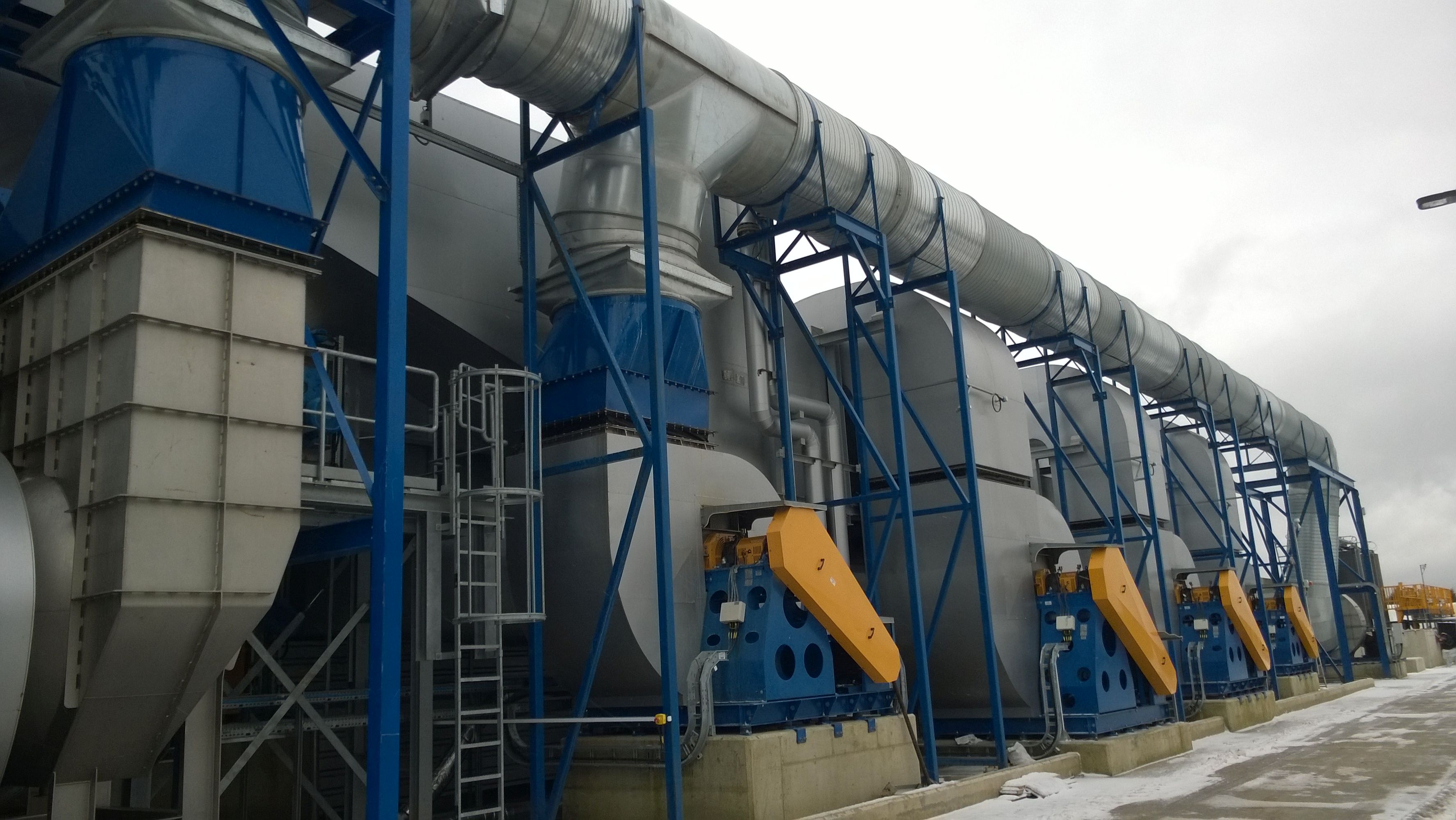
ANDRITZ belt dryer for refuse-derived fuel (RDF)

Extended application range: From biomass to RDF and MSW drying

Turn waste into value.

Growing populations and stricter environmental regulations are driving a rapid increase in municipal solid waste worldwide. At the same time, these waste streams represent an untapped source of renewable energy. The key lies in transforming them into high-quality fuels.

ANDRITZ delivers proven fuel preparation technologies that maximize the energy potential of waste and biomass. From shredding and screening to drying and pelleting, our integrated solutions produce consistent, high-calorific alternative fuels for waste-to-energy plants, cement kilns, and industrial applications.

Refuse-derived fuel (RDF) is an alternative fuel produced by shredding, sorting and separating the light fraction of solid waste (MSW), such as plastic packaging, paper industry rejects, household waste, and so on. The objective is to obtain stable material with a homogeneous, low moisture content and high calorific value. 

Applications of RDF Drying

Drying refuse-derived fuel (RDF) improves fuel quality, increases calorific value, and enables its efficient use across a wide range of energy-intensive industries.

Typical applications include:

  • Waste-to-energy plants with integrated thermal conversion systems
  • Centralized fuel preparation facilities supplying multiple end users
  • Co-firing in coal-fired power plants to reduce fossil fuel consumption
  • Co-gasification with coal and biomass for syngas production
  • Co-processing in cement kilns as a sustainable alternative fuel

Belt dryer benefits and features for biomass and RDF/MSW

  • Robust, modular steel design for reliable operation, easy installation, and future capacity expansion.
  • Maximum feedstock flexibility, capable of processing a wide range of biomass, RDF, MSW, and blended materials.
  • Optimized feeding system with adjustable feed modules to ensure uniform product distribution across varying particle sizes.
  • Extended equipment lifetime through a belt support design without rotating parts, minimizing wear and maintenance requirements.
  • Reduced downtime thanks to steel strip belt support that prevents material build-up beneath the belt.
  • Lower water consumption with an efficient automatic belt cleaning system, reducing operating costs and environmental impact.
  • Optimized energy efficiency with optional partial or full air recirculation, significantly reducing thermal energy demand.
  • Use of various energy sources, including waste heat
    • Hot water (70-150°C)
    • LP steam
    • Thermal oil
    • Hot gas / Flue gas (minimum 80°C)
  • Low emissions (dust, VOCs, exhaust gases)
  • High safety standards (fire/explosion protection, interlocks, etc.)
  • Typical water evaporation: up to 25 t/h
  • Capacity: 1 to 50 tDS/h
  • Belt width: up to 8 m
  • Belt length: up to 72 m

Find out more ...

addIQ control system

Intelligence for machine and process control
Read more

Our services

Whether you need spare parts, rentals, local service, repairs, upgrades, or modernization of your equipment.

Discover our Services