



Martin.Draxler1@andritz.com
Project Manager, ANDRITZ Green Hydrogen

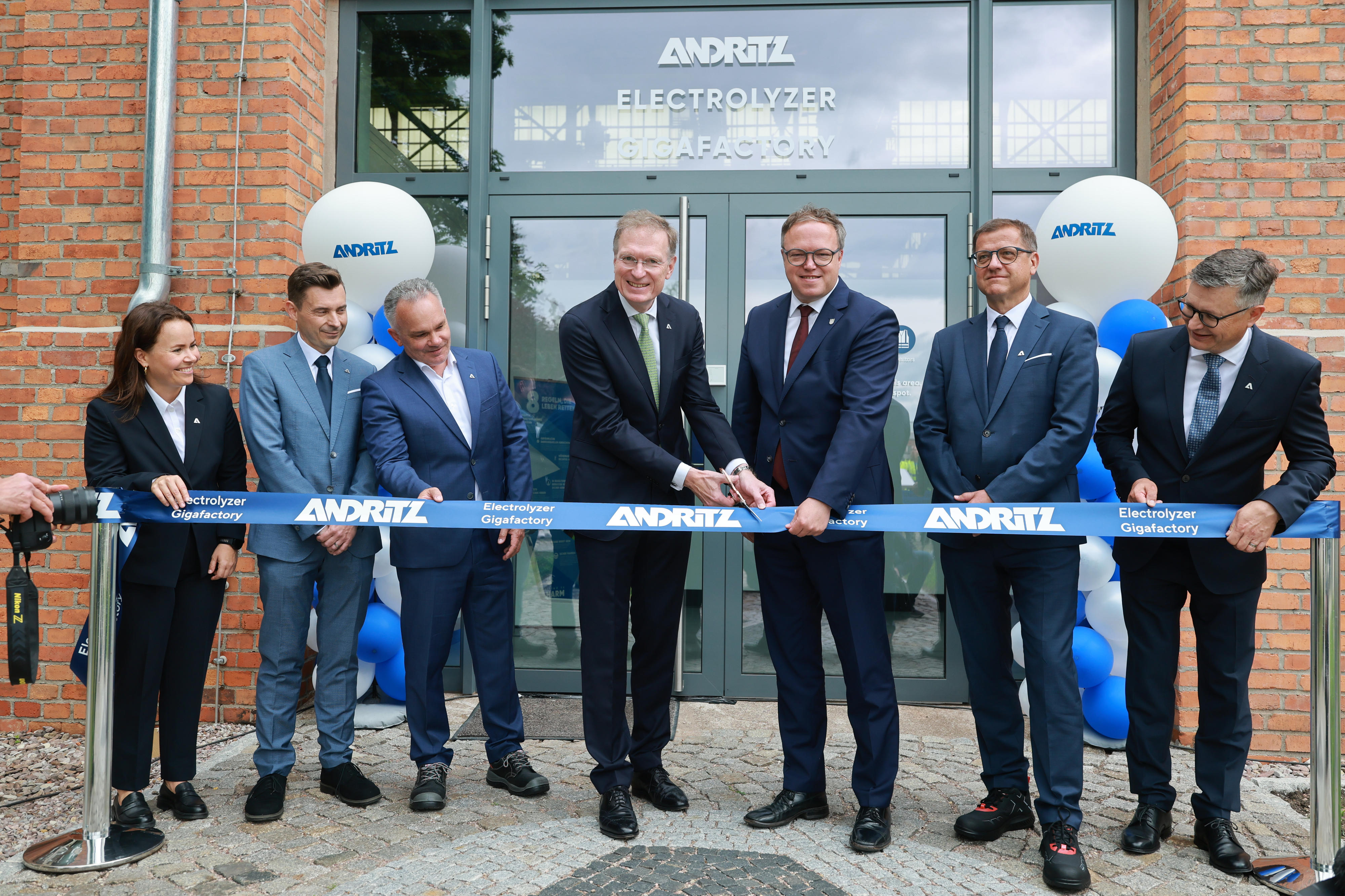
For more than 125 years, the site has been a hive of industrial manufacturing. For many years now, it‘s been home to an ANDRITZ Schuler factory producing heavy duty hydraulic and mechanical presses, the kind capable of – among many other industrial applications – forming sheet metal into car parts. And in June 2025, the site entered a new era – one benefitting Thuringia‘s other name: the Green Heart of Germany.
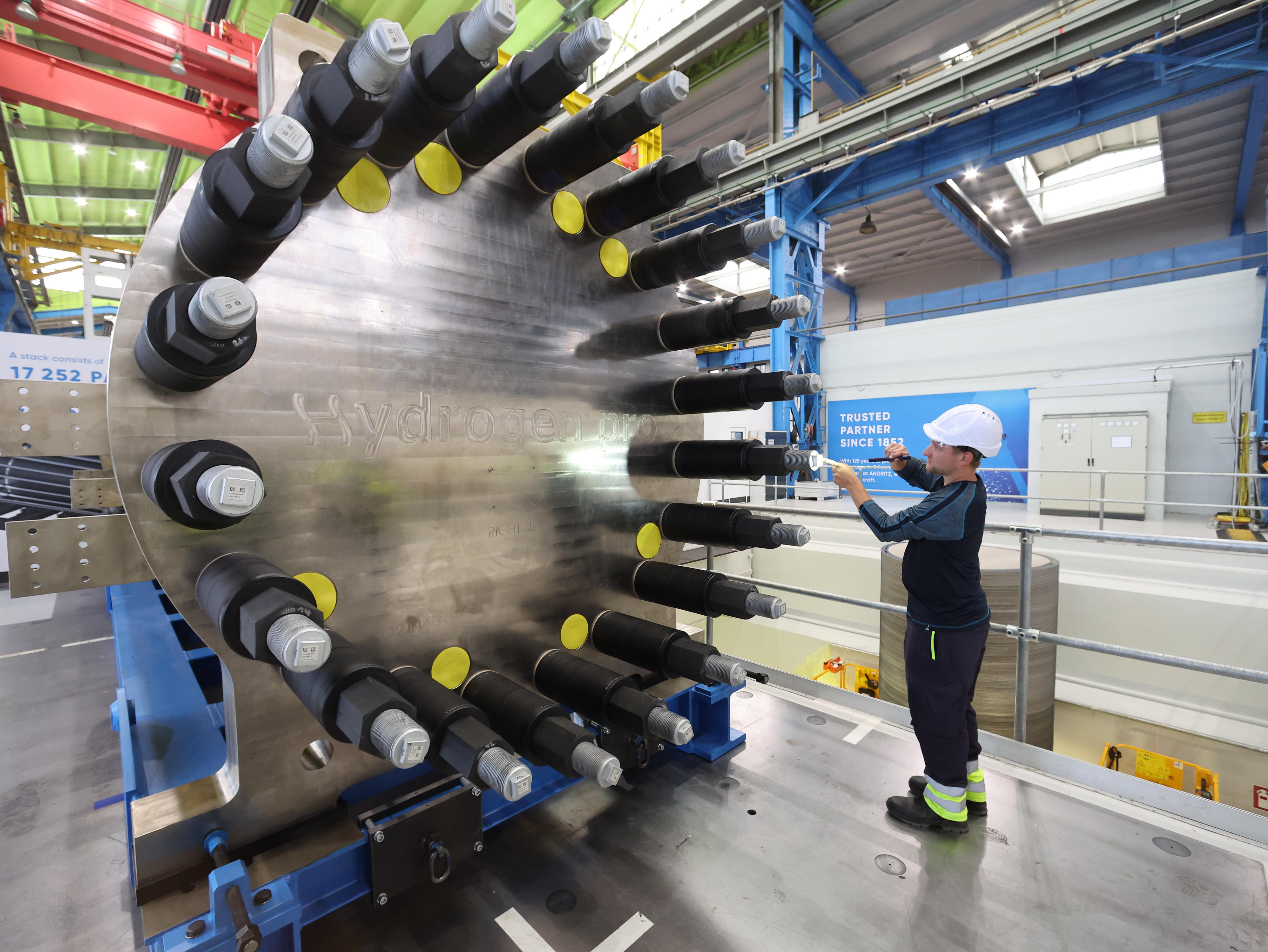
The energetic new arrival to the site is ANDRITZ‘s first Electrolyzer Gigafactory, dedicated to assembling electrolyzer stacks and phase separators: the core components for producing hydrogen.
Hydrogen is in demand as a clean fuel, and as an ingredient in a range of manufacturing processes. Green hydrogen is poised to significantly reduce carbon emissions in hard-to-abate industries: steel and fertilizer production, sea and air transportation, and more.
But for green hydrogen to fulfil its promise, it has to be produced and deployed on a large scale. And achieving that scale requires a bold, efficient and modern approach.
This Electrolyzer Gigafactory is a people-powered operation. The assembly line is fully manual, involving the assembly of electrolyzer cells and the construction of phase separators, and combining them into stacks and complete plants. A skilled workforce continuously works on optimizing the process to improve efficiency and ensure consistent quality.
The electrolyzer technology itself comes from ANDRITZ‘ partner HydrogenPro. Combining HydrogenPro’s advanced technology with ANDRITZ’ manufacturing excellence guarantees the highest quality end product from day one of Gigafactory operations.
"We were confident in our products‘ performance from day one because, in the months before the Gigafactory‘s inauguration, we carried out 500 hours of performance validation at the HydrogenPro test site in Norway. The electrolyzer stack technology assembled at the Gigafactory has been proven to perform as expected, and to be safe. And we check and confirm that quality every day, making sure our products meet European standards.
Like the assembly itself, the quality control processes – which include pressure-testing and CE-certifying the electrolyzers and phase separators – are also carried out by humans,” says Martin Draxler, Project Manager, Green Hydrogen at ANDRITZ.
Besides, the Electrolyzer Gigafactory is designed for flexibility, allowing production to be easily upscaled to meet increasing demand. Erfurt was the ideal place to launch this kind of factory. The city has an industrial heritage dating back to 1850, when factories sprung up to produce everything from engines to electro-technics. Its central European location, served by roads built and reinforced to cope with heavy freight, makes it easy to trans-port all sorts of products to customers‘ sites. It‘s a city used to building things, which is now applying its industrial strength to innovative green technology. As Joachim Schönbeck, CEO of ANDRITZ put it: „At our site in Erfurt, we benefit from the existing infrastructure and look back on over 125 years of expertise in heavy machinery construction.“
Launching in Erfurt also gave ANDRITZ the benefit of Germany‘s rigorous dual apprenticeship system. Because local recruits have all completed apprenticeships, they don‘t need to learn as much on the job. If demand increases sharply and the factory needs to scale up fast, there‘s a pool of well-trained people already waiting, who can start doing a great job from day one. The Prime Minister of Thuringia, Mario Voigt, put it succinctly at the inauguration: „As the Green Heart of Germany, our Free State offers the best conditions for industrial innovation.“
The Electrolyzer Gigafactory‘s first customer is the German steel manufacturer Salzgitter. Steel manufacturing has historically given rise to significant carbon emissions. Salzgitter‘s new 100-megawatt (MW) electrolysis plant is set to correct that course. And many others in the European steel industry – and beyond – are sure to follow suit. Green hydrogen is a key ingredient in a new green industrial revolution. It‘s necessary for manufacturing electro-fuels, or e-fuels, like e-methanol, which could play a significant role in decarbonizing international shipping. Similarly, green hydrogen can be combined with nitrogen to produce e-ammonia, a potential solution for the traditionally emissions-intensive fertilizer business.
As a full engineering, procurement, and construction (EPC) company, ANDRITZ can do more for its electrolyzer customers than supply the technology. It can deliver a green hydrogen plant project, from design engineering to operation and maintenance, informed by the deep understanding of the core technology that can only come from assembling it in-house.
Martin Draxler resumes, “We’re constantly learning and refining both our assembly processes and the quality of our end product, thanks to our skilled people, smart mate-rial handling, and focus on innovation. And not only is this people-powered model scalable at the Erfurt factory, it‘s also replicable at other sites.” ANDRITZ can now quickly and easily deploy this proven model – anywhere we operate; wherever demand for green hydrogen arises.
ANDRITZ provides holistic and integrated P2X solutions for producing green hydrogen.

ANDRITZ provides holistic and integrated P2X solutions for producing green hydrogen, e-methanol and e-ammonia.

The 1st Shift – Technology. Transition. Trust. We are delighted to introduce you to The Shift, the new magazine from our Environment & Energy business area.

ANDRITZ provides holistic and integrated P2X solutions for producing green hydrogen.
ANDRITZ provides holistic and integrated P2X solutions for producing green hydrogen, e-methanol and e-ammonia.


The 1st Shift – Technology. Transition. Trust. We are delighted to introduce you to The Shift, the new magazine from our Environment & Energy business area.

Our extensive product portfolio covers a spectrum of technologies ranging from mechanical and thermal solid/liquid separation, grinding, pelletizing, pumping fluids, emission reduction technologies, carbon capture, to green hydrogen and renewable fuel production.
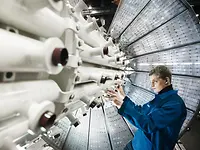
ANDRITZ Separation is the world’s leading separation specialist, with the deepest knowledge, broadest technical resources, and most comprehensive service solutions.
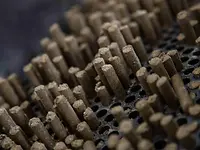
ANDRITZ offers an extensive line of equipment and complete plant solutions for the production of high-quality feed and biomass products.
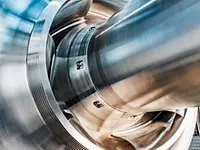
Our engineered pumps are operating in various industrial applications successfully all over the world. They offer robustness and wear resistance and fulfill highest customer expectations in terms of efficiency, life cycle, maintenance friendliness and economic efficiency.
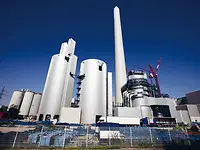
We provide you with tailor-made air pollution control solutions focusing on reduced emissions and improved performance and efficiency to meet changing market conditions and comply with asset strategies. Our offering covers the entire flue gas line, ranging from particulate control, dry and wet scrubbers, to multi-pollutant equipment for industrial, waste-to-energy and power generation plants.
ANDRITZ provides holistic and integrated P2X solutions for producing green hydrogen, e-methanol and e-ammonia.
Welcome to our Tradeshows & Events page! Here you'll find a selection of our key tradeshow participations of this year.