When Low-Pressure Systems Are Right
Low-pressure systems use fans to move large volumes of air at relatively low pressure.
They are ideal when:
You need to convey lighter materials like sawdust, shavings, or trim waste
The goal is dust collection, cleanup, or short-distance transfers
Flexibility and energy efficiency are more important than long-distance capability
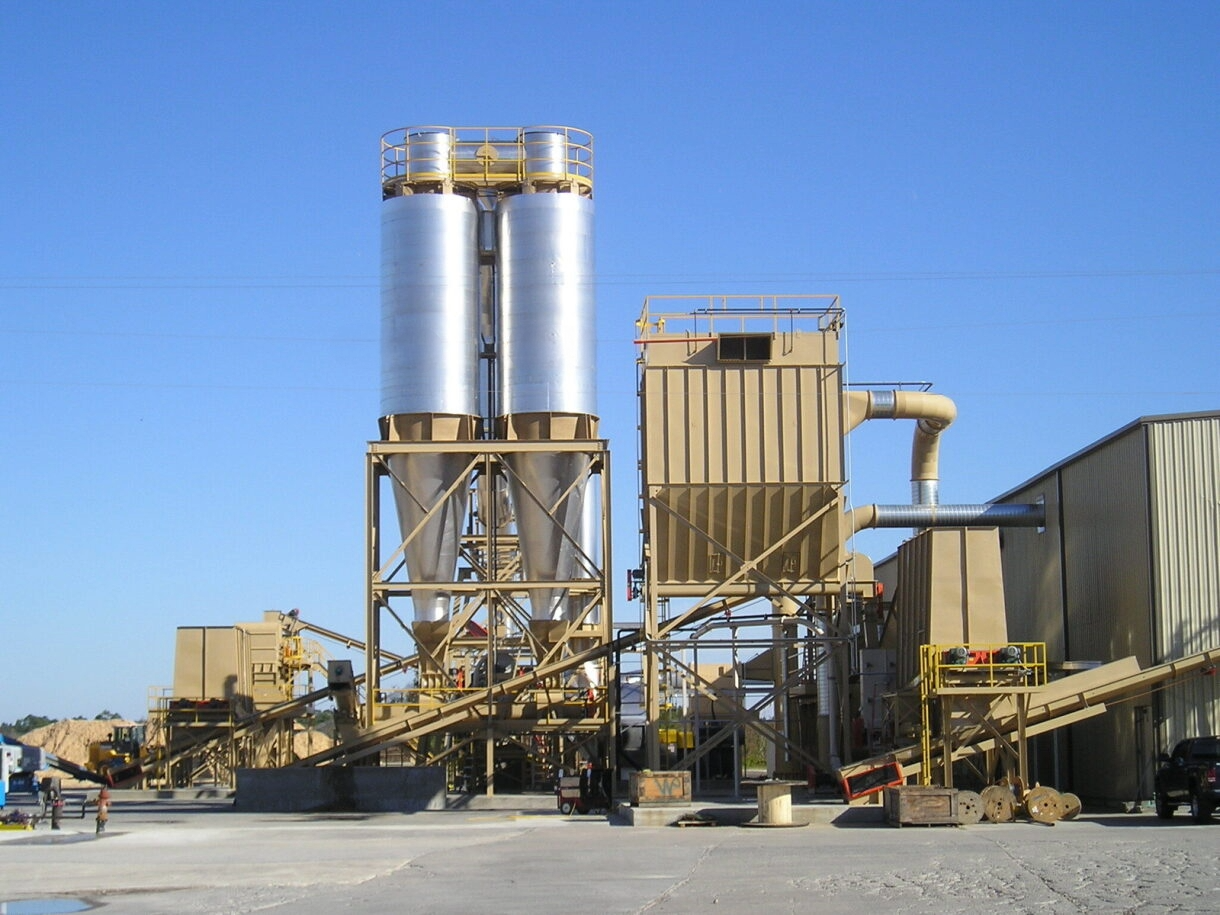
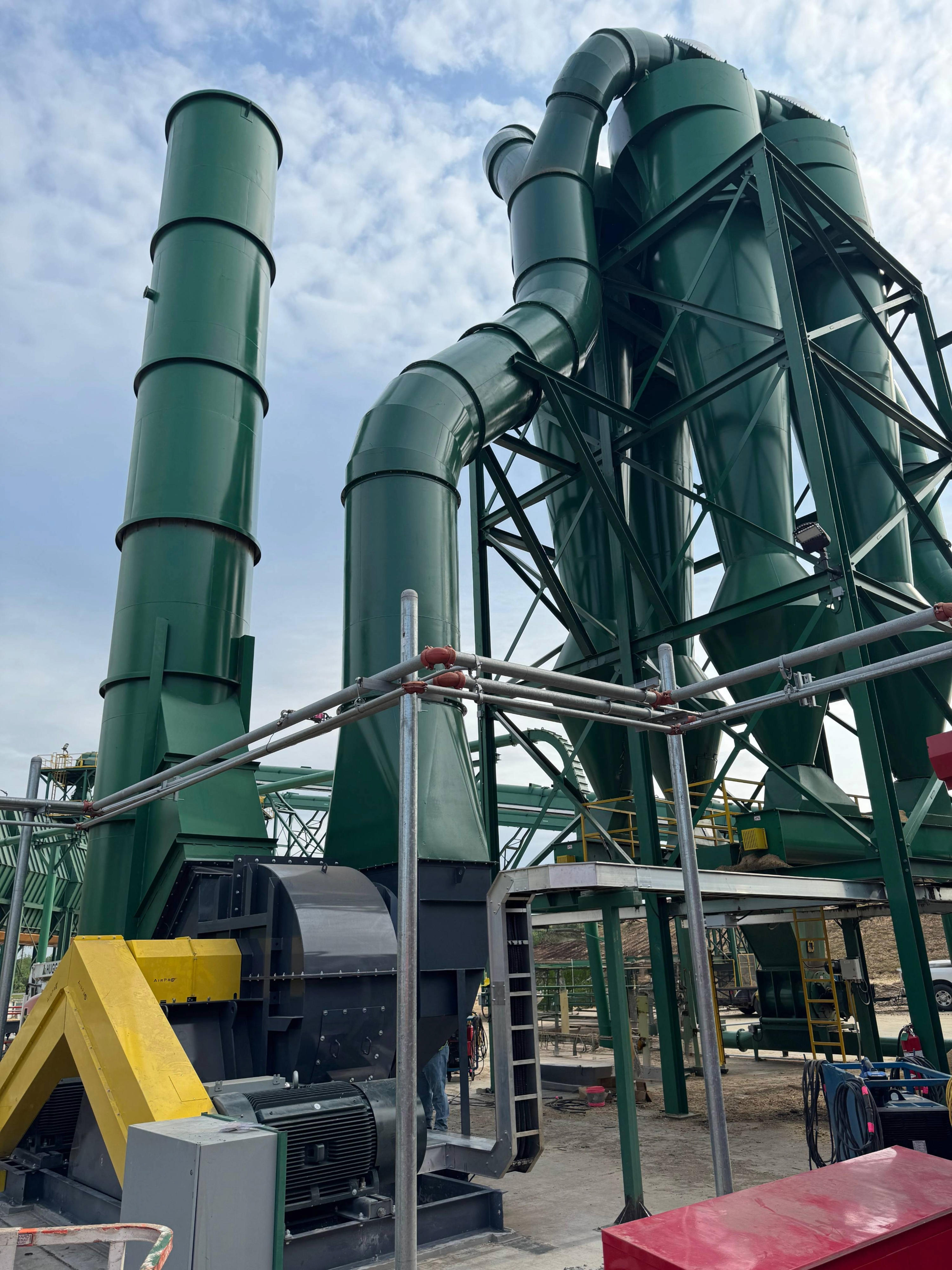
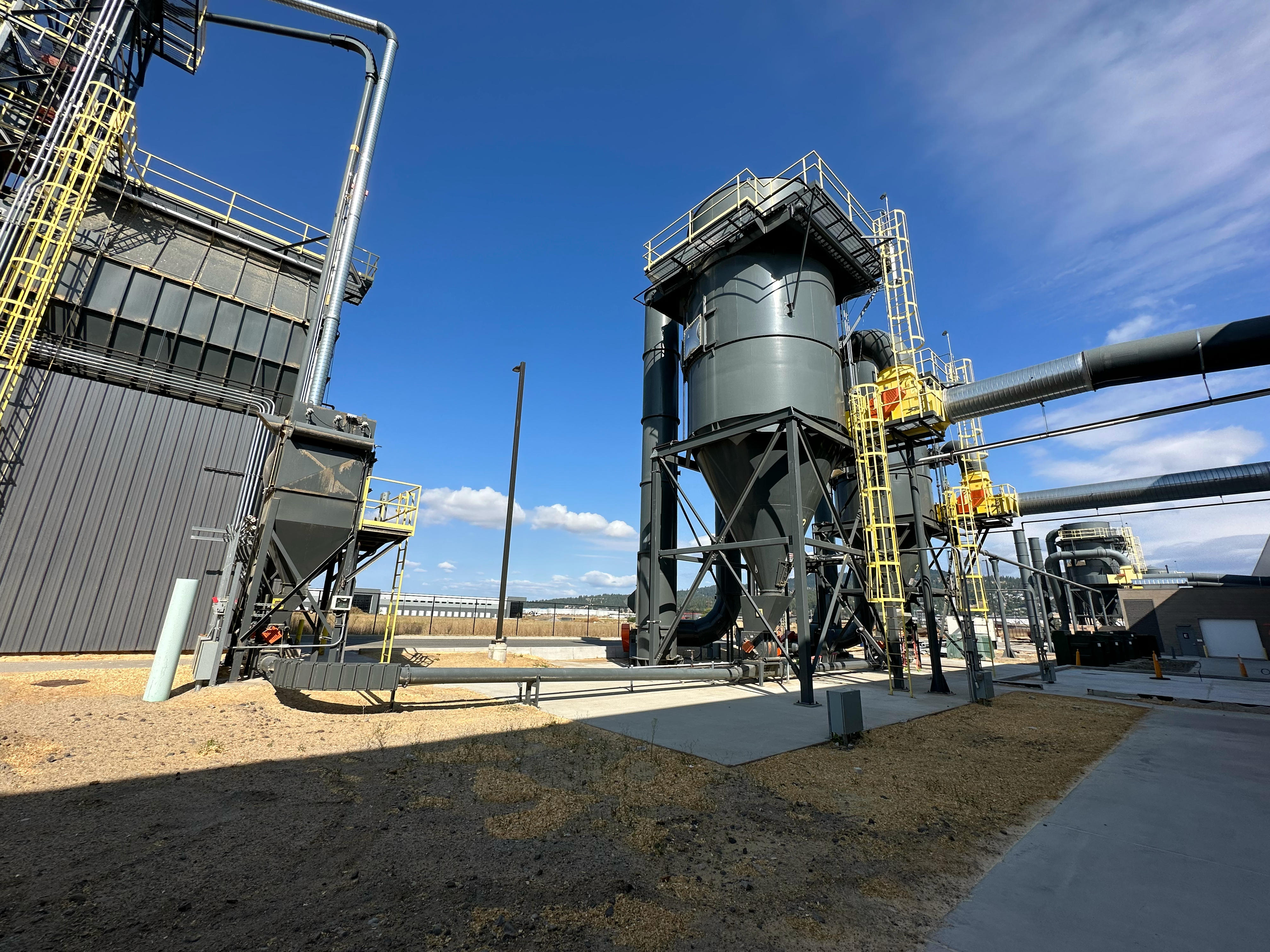
Example: A sawmill using fans, cyclones, and truck bins to remove sawdust and chips from the saw line, keeping the mill floor clean and the air safe for workers.
When High-Pressure Systems Are Right
High-pressure systems use blowers and feeders to push material through the line at higher velocities and over longer distances.
They are the right choice when:
You need to move large volumes across long distances or multiple plant levels
The material is heavier or denser, requiring higher pressure to transport effectively
Your process calls for multiple injection or discharge points for routing flexibility
Example: A wood products facility conveying larger chips across the plant to multiple cyclones and storage bins - requiring precise control, higher pressure, and wear-resistant elbows to handle abrasive material.
Why the Difference Matters
Low-pressure = cost-effective, energy-efficient, simpler maintenance — perfect for dust control and shorter runs
High-pressure = robust, flexible, and precise — essential for long distances, heavy materials, or complex layouts
By offering both, ANDRITZ Western Pneumatics ensures that your plant gets the right tool for the job, not a one-size-fits-all system.