

BENEFITS
Prevention of serious crusher damage
Availability and reliability of the crusher increases when on-schedule knife changes prevent high repair costs and production losses
Knife change optimization increases safety and reduces costs

The crusher knife-changing schedule is typically based on crusher running time. However, foreign objects can find their way into the crusher and cause unexpected shutdowns and production losses at any time. Without the equipment to detect these foreign objects or assess the knife condition, the knives may be changed prematurely. Alternatively, if the knives are not changed in time, there may be serious damage to the crusher, unnecessary safety risks and poorer crushing quality.
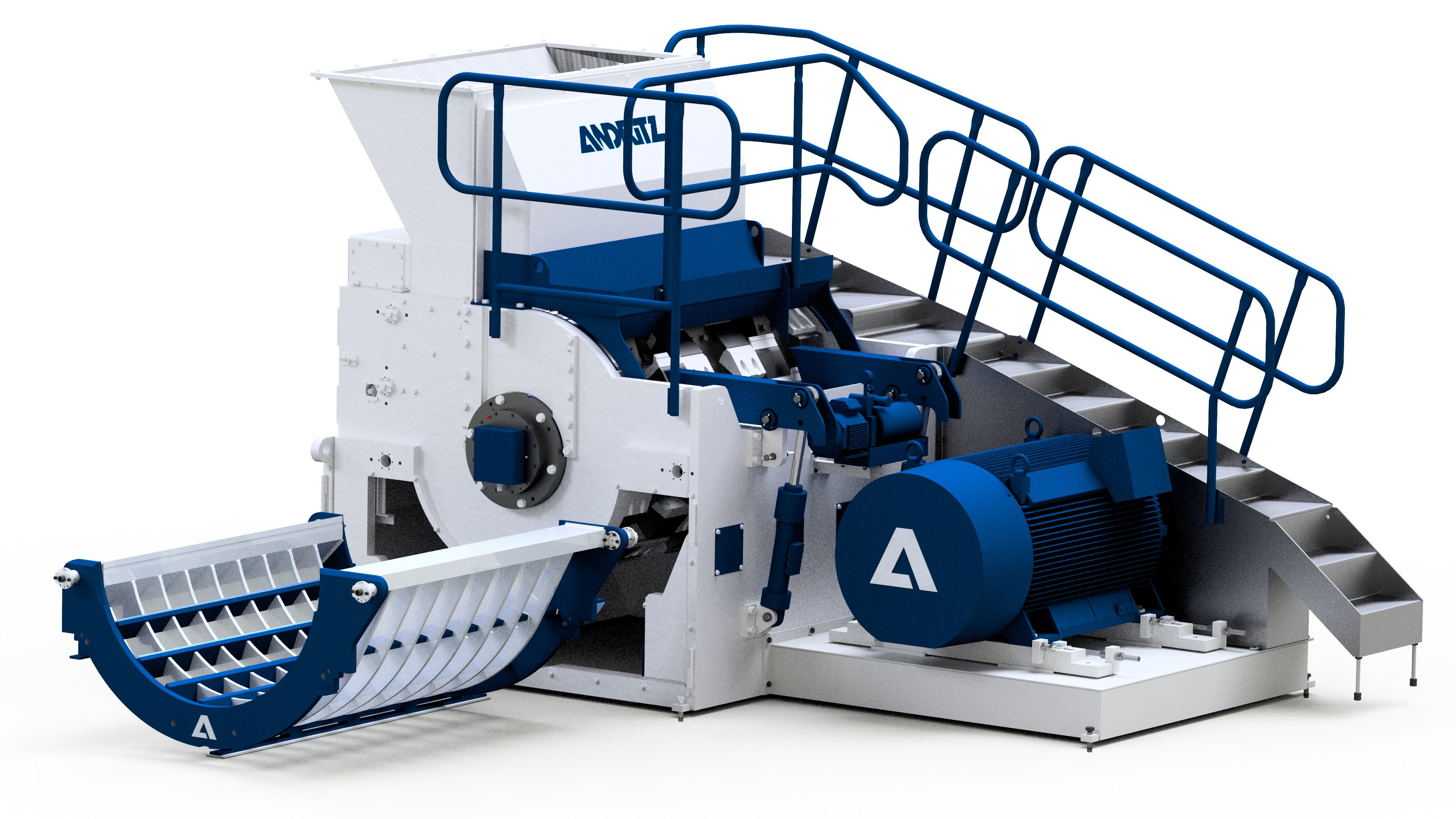
The Smart Crusher EKG condition monitoring solution provides online knowledge and insights into crusher internals, such as knife and bearing condition or wear, helping the operators to predict maintenance needs. The solution monitors and collects cutting-edge force in each segment during each rotor knife rotation in real time.
From that data, the condition of the knives is analyzed. By using the online wearing estimations, operators can schedule and plan the knife changes efficiently, preventing equipment damage and minimizing disruptions in crusher availability. Changes can be delivered in a safely without major disruptions in the crusher availability.
Prevention of serious crusher damage
Availability and reliability of the crusher increases when on-schedule knife changes prevent high repair costs and production losses
Knife change optimization increases safety and reduces costs
What you can achieve:

Crusher early bearing-fault detection enables maintenance to prevent catastrophic bearing failure.

Complete bearing failure can lead to up to 3 months of chipper downtime (if spare bearing is missing).
These improvements are driven by advanced condition monitoring and intelligent vibration analysis of the chipping process, alongside continuous collaboration between ANDRITZ experts and the mill's teams. All of this aims to optimize knife maintenance schedules, prevent unexpected mechanical failures, minimize wood processing downtime, and maximize throughput, consistent chip quality, and operational efficiency across the woodyard.
The Smart Chipper EKG monitoring solution provides data on the chipper and knife system, enhancing availability and reliability of the chipper.

ANDRITZ provides a true Digital Twin solution for industries using IDEAS simulation software and its unique execution platform.

ANDRITZ develops, manufactures, and supports wood processing systems for all wood species, growing climates, and a variety of industries.

Explore ANDRITZ's Intelligent Instruments - Smart Series portfolio. It includes a comprehensive range of measurements, analyzers, machine vision systems, condition monitoring solutions as well as robotics and mechatronics. These solutions give customers an intelligent instrumentation foundation, paving the way toward process optimization and autonomy.