CHALLENGES AND SOLUTIONS
“One of the main challenges is choosing the ideal date for our general shutdown," says César. “Currently, we have shutdowns scheduled not only across all our own units, but also at other pulp mills throughout Brazil. This overlap creates scheduling conflicts with our key suppliers, which directly impacts the availability and quality of skilled labor.
“Another challenge is the distance between our unit and the main service providers, which leads to high mobilization/demobilization costs and potential delays in the arrival of workers, equipment, and materials.”
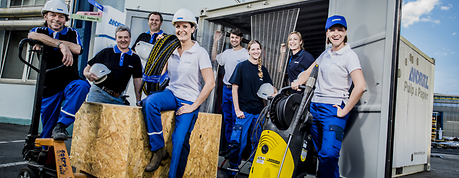
For ANDRITZ, these challenges were firmly dealt with, starting with mobilization and preparation for the major activities during the shutdown. The H2 shutdown preparation started on January 6th, right after the end of the year and new year holidays. However, before the commencement date, there was a lot of planning and hard work from the ANDRITZ Field Services Coordination team who needed to organize and send to the mill a huge amount of material, tools, devices, work equipment, consumables, and containers.
Once the shutdown project began, then the real work started. “One of the key highlights of this shutdown was the work performed on the DD-Washer,” says Zolnir. “For the first time, the drum was removed from the vat for recovery, replacing the traditional method that used the washer's own drive structure. This approach enhanced safety, reduced execution time, and made the system more stable and reliable. A dedicated team of 34 professionals handled the task, addressing critical issues such as cracks and liquor leaks that could have impacted production if left unresolved.”
César adds, “Several critical activities were carried out to comply with NR-13 standards for our pressure vessels, with special attention to our two chemical recovery boilers. Noteworthy tasks included the chemical cleaning of our CR-01, upgrade of the DCS systems in both mills, and replacement of the DD Washer 44 drum in the bleaching area of Mill, which was performed by ANDRITZ.
“Other major activities included the installation of a new log feeder for line 3 in the wood yard, internal inspection of digesters, complete overhaul of the 16 DD-Washers across both mills, and replacement/inspection of rolls on the three drying machines.”
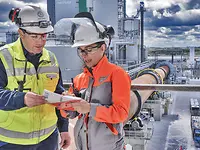
Multiple safety actions were implemented daily by the leadership at the mill and partner companies, with the aim of zero safety incidents. Environmental aspects and impacts were also considered in every executed activity.
“Throughout the shutdown, safety remained the top priority for ANDRITZ,” says Zolnir. “Training sessions, daily alignments with the customer, ongoing inspections, and close monitoring by the quality team ensured full compliance with standards during critical operations. The result was '0' accidents.”