Technical DetailsMatahina: Unit 1 Unit 2 |
ANDRITZ Hydropower has over a 100 year history in New Zealand.

Project Updates
A major turbine overhaul by ANDRITZ unlocks higher energy yield and adaptive flow control at Matahina Power Station — customized to match the unique challenges of the Rangitaiki River.
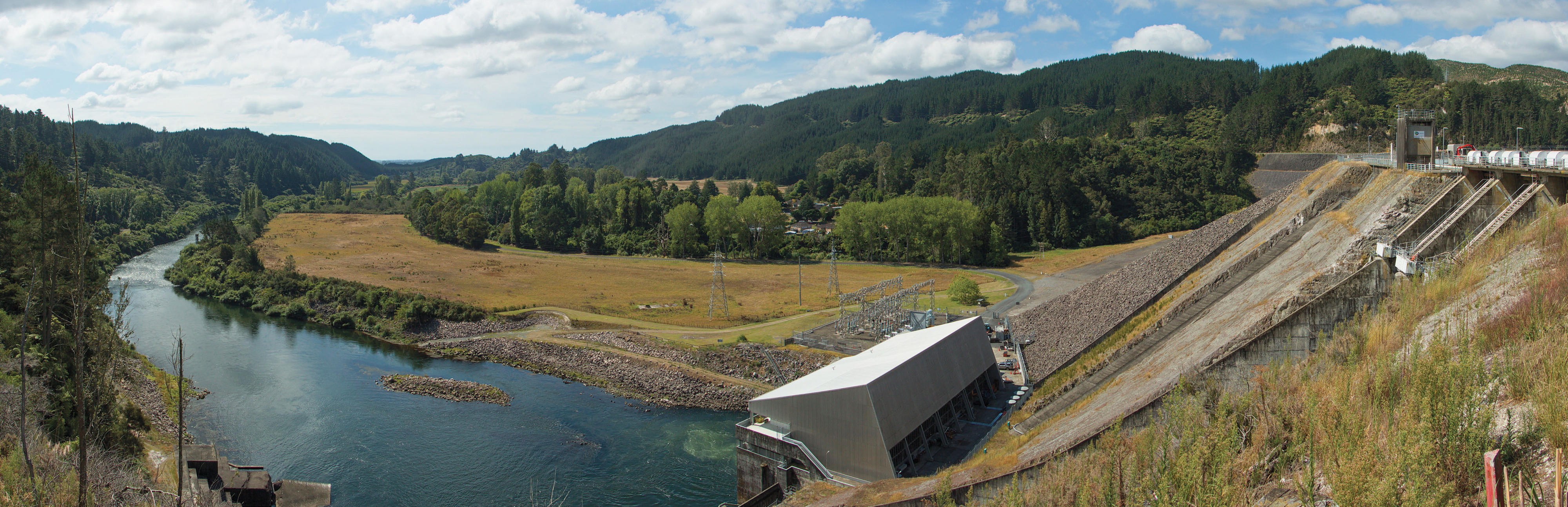
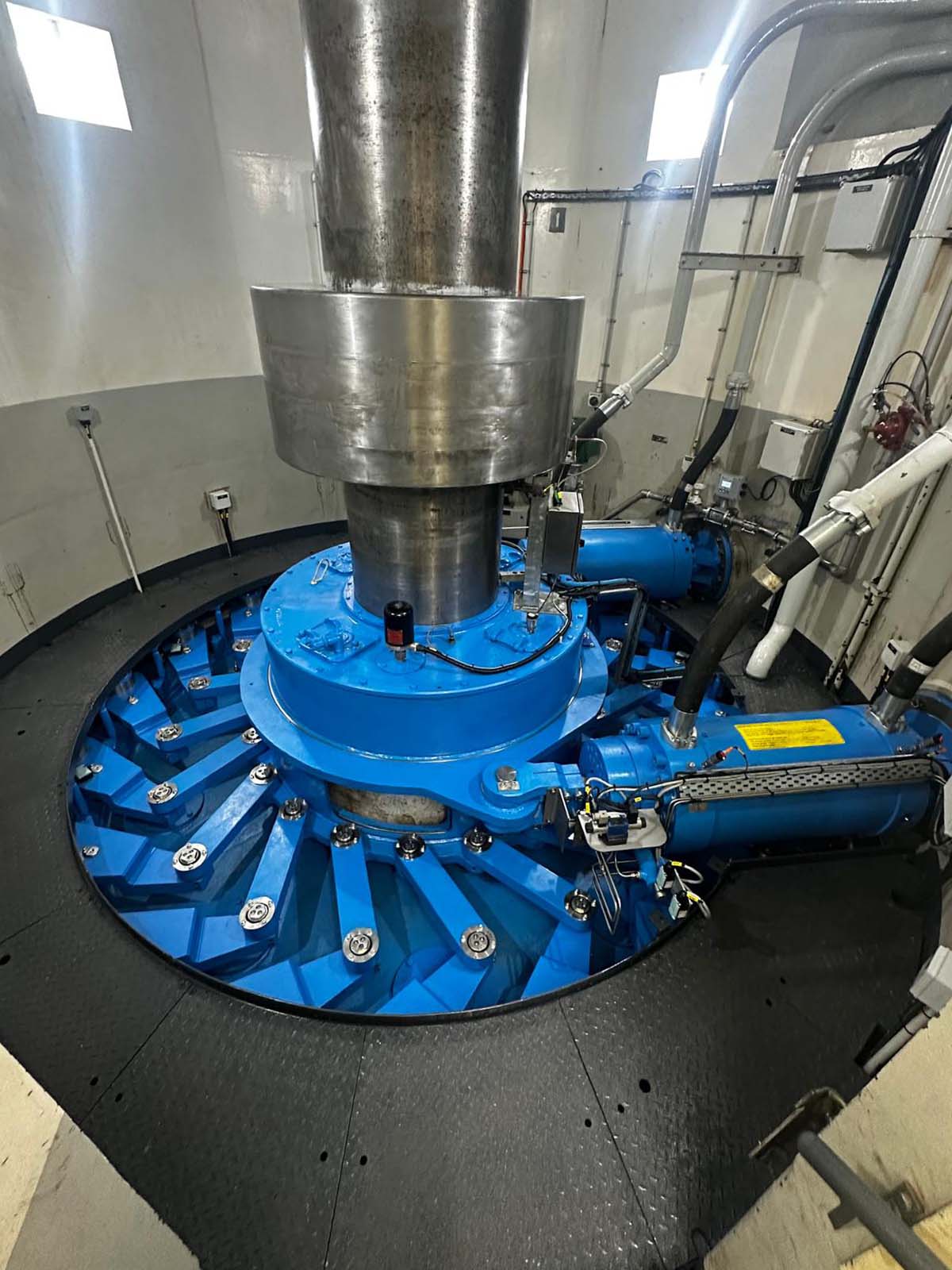
First commissioned in 1967, the Matahina hydropower station, located on the Rangitaiki River in the central North Island, comprises two Francis turbines. The upgrade by ANDRITZ is the first major overhaul of the turbines and involved the installation of new turbine headcover and bottom ring, new guide vanes and a new runner together with various ancillary components in one unit, and installation of a new runner and guide vanes in the other unit, along with refurbishment of the existing components.
The original turbines were destined for another power station when procured in the 1960s and were therefore not designed for the Matahina HPP’s river flows. ANDRITZ’s solution involved changing the design of the turbines to be a low- and high-flow unit, to optimize the efficiency over the flow range of the two unit station. Only changes to the runner design were required to accomplish this, which while incurring additional design cost was a very positive development for the project economics. The dissimilar unit capacities result in a significant improvement in energy yield, particularly when running at the minimum environmental flow required for the Rangitaiki River. The use of guide vane end seals on the larger unit also reduces water lost through the station during periods of standstill and low inflows.
Overall, a significant improvement in efficiency could be found in the existing stay vanes at the turbine inlet, so ANDRITZ modified both the inlet and outlet stay vane shape using stay vane extensions and specialist machining equipment.
In mid-2024, commissioning and performance testing of the first Unit at Matahina Power Station was completed. In late March 2025, installation and commissioning of the second unit was completed. This project represents a significant improvement in the station’s from-water-to-wire efficiency for the customer Manawa Energy and demonstrates the benefit of working together with the OEM to develop solutions for major overhaul.
Technical DetailsMatahina: Unit 1 Unit 2 |
Author: Tony Mulholland
ANDRITZ Hydropower has over a 100 year history in New Zealand.

The scope of our services ranges from operation and maintenance to longterm optimizations as well as digitalization and automation and repairs and spare parts deliveries for hydropower plants.
The modernization of existing hydropower plants allows an output increase of up to 30%.

The long success story of ANDRITZ Hydropower in Italy began already in 1884.
With ANDRITZ Synchronous Condensers to a secure and stable grid