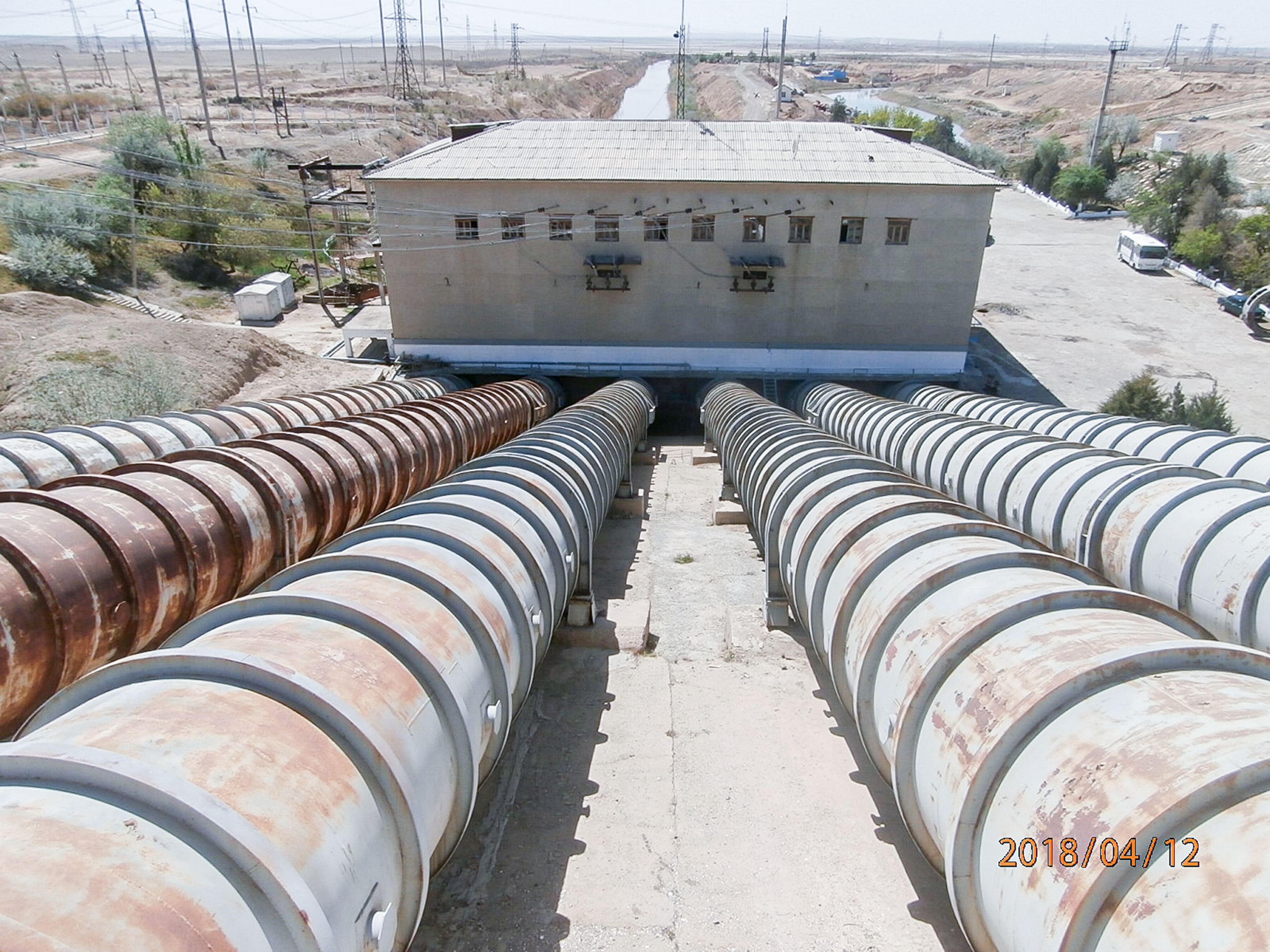
However, after more than 50 years of continuous service, its major and minor channels are in desperate need of modernization. Irrigation efficiency is only 40% and thus represents a significant risk to agricultural production and the regional economy. Furthermore, the obsolete and energy-inefficient pump stations not only require large amounts of electricity, they also represent a large environmental impact, emitting some 758,000 to 935,000 tons of CO2 emissions annually.
The government, together with the support of the Asian Development Bank (ADB), is implementing a comprehensive overhaul and modernization program of the system. This includes the construction of a new pumping station as well as the modernization and refurbishment of four existing stations.
In the case of the Amu Bukhara project the Chinese infrastructure company Hebei Construction Group is acting as the Engineering, Procurement, Construction (EPC) contractor. With strictly defined awarding criteria, ANDRITZ was awarded the contract for the delivery of the core components. Accordingly, ANDRITZ is supplying a total of 16 custom-tailored pumps, including their respective spare parts, for two pumping stations.
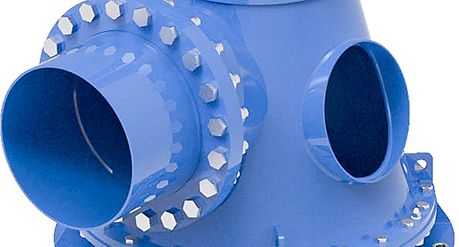
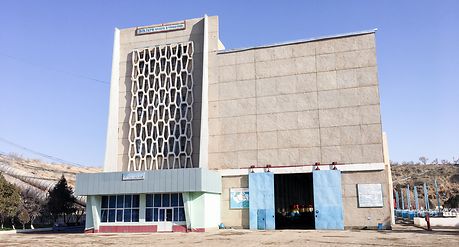
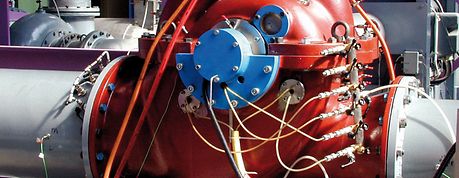
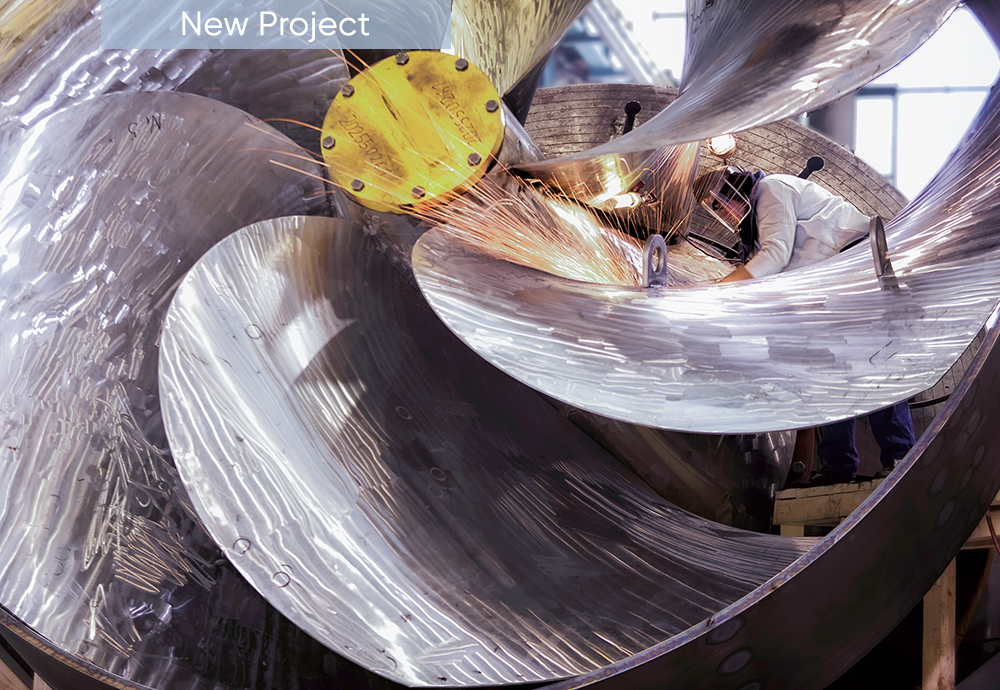
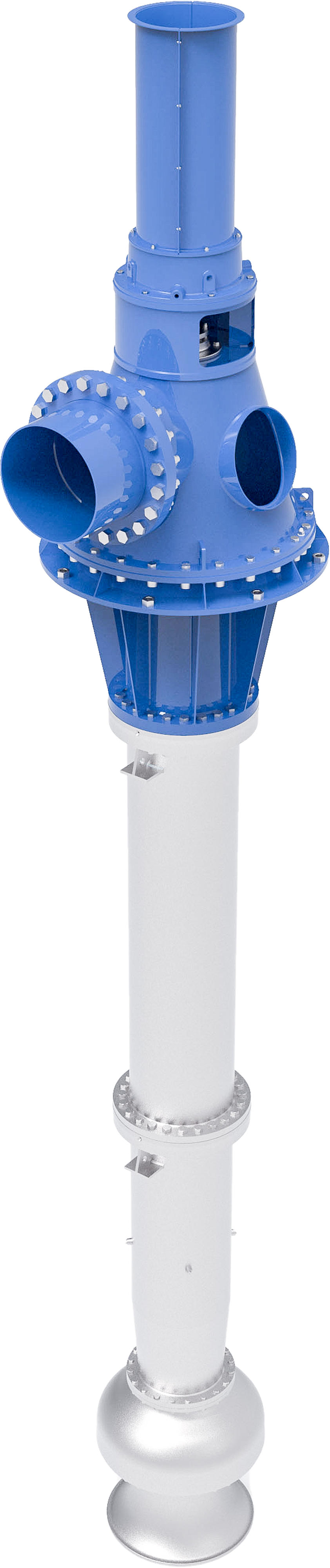
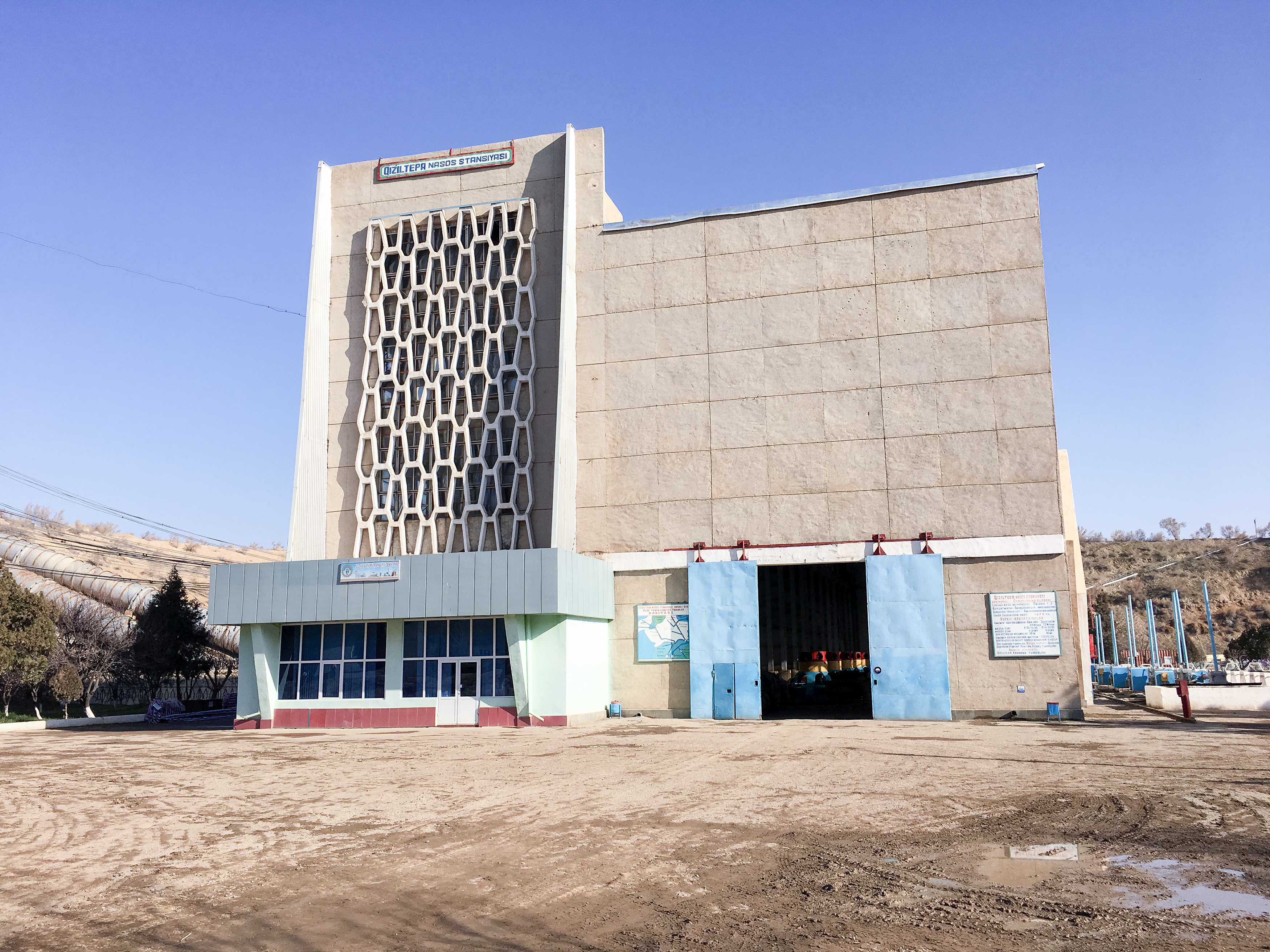
The pumps for the two stations of Amu Bukhara are highly technical and whose development and production meet the detailed project-specific requirements. For the Kizil Tepa station, 10 tailor-made vertical volute pumps are being produced – each with an efficiency of up to 90%. They reach a head of up to 75 m and a flow rate of up to 440,000 m3 per hour.