Technical DetailsBakersfield: |
ANDRITZ Hydro in the USA is part of the ANDRITZ group. The company is one of the leading global suppliers of electro-mechanical equipment for hydropower plants.

Project Story
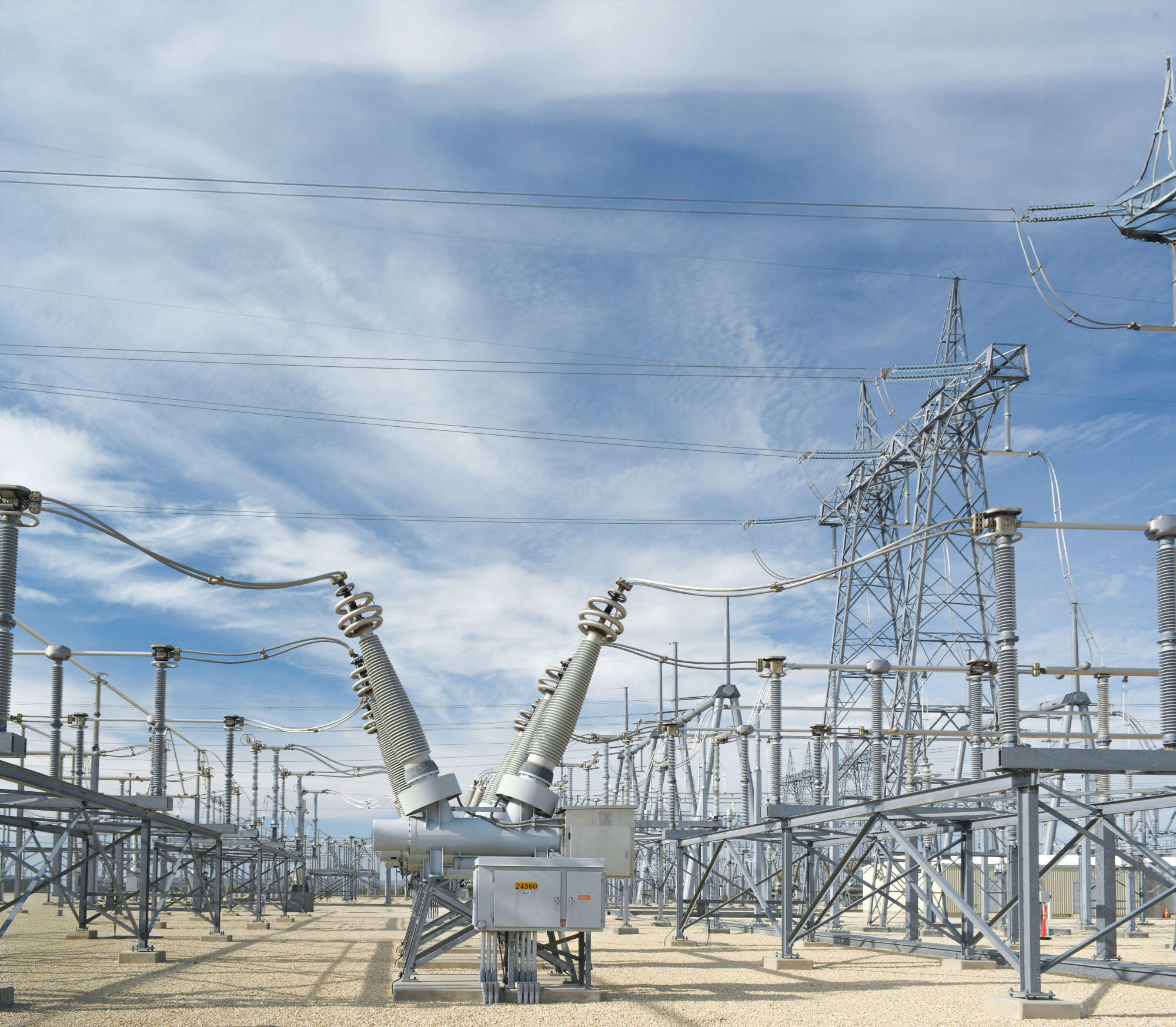
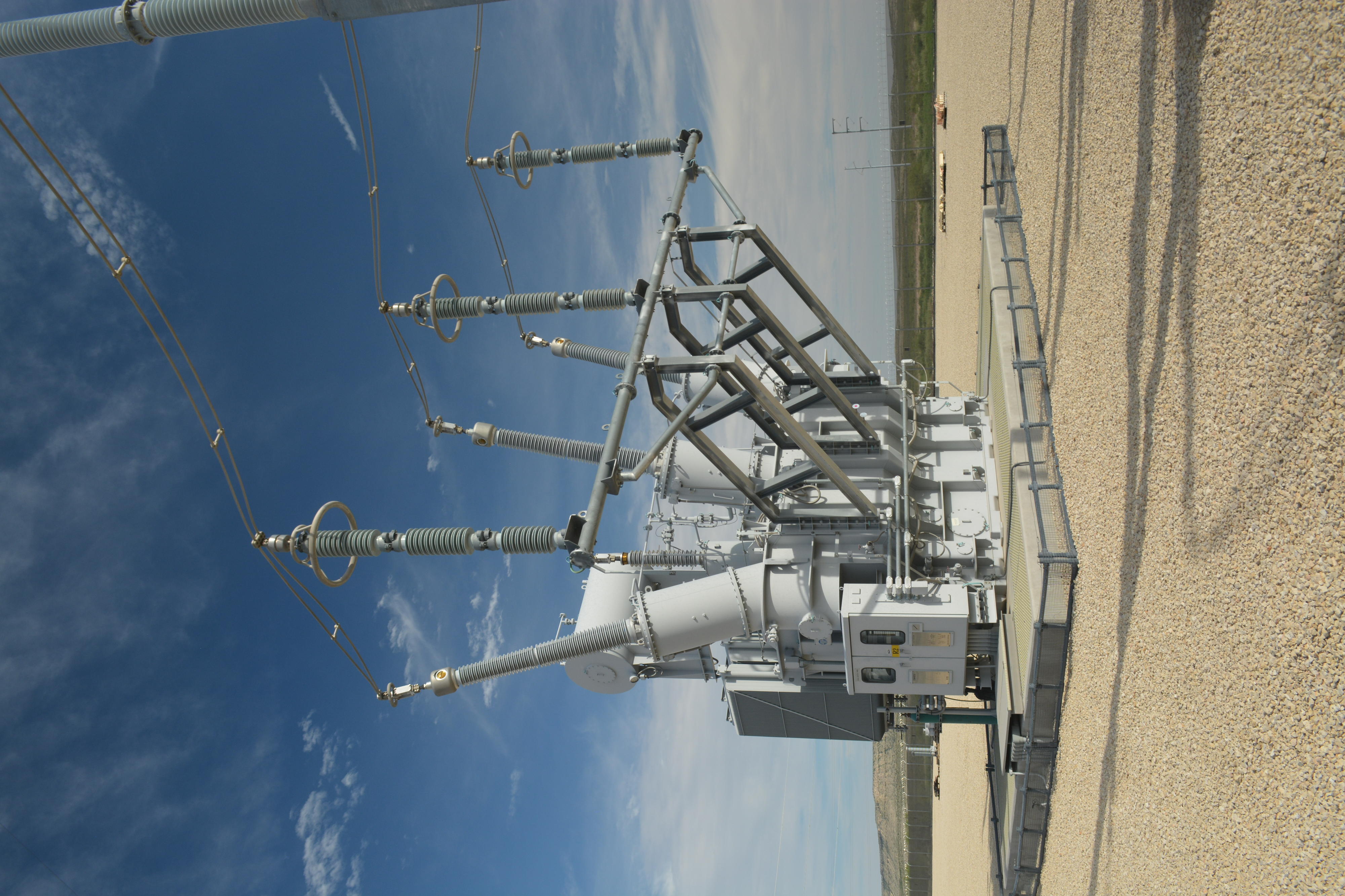
USA — In the heart of West Texas, where the sun blazes and the wind never rests, a quiet revolution is underway. The recent contract awarded to the GE Vernova ANDRITZ HYDRO Corp. consortium for the installation of two synchronous condensers for an LCRA Transmission Services Corporation (LCRA TSC) project at the Bakersfield Substation will provide support to help maintain stability of the Texas electric grid.
As the energy landscape changes, driven by the rapid rise of wind and solar generation, grid operators are facing a new challenge: maintaining stability in a system increasingly dominated by inverter-based resources. Unlike conventional thermal power plants, these renewable sources lack the rotating mass that provides essential grid services like inertia and short-circuit contribution. The result? A grid more vulnerable to frequency fluctuations and voltage instability.
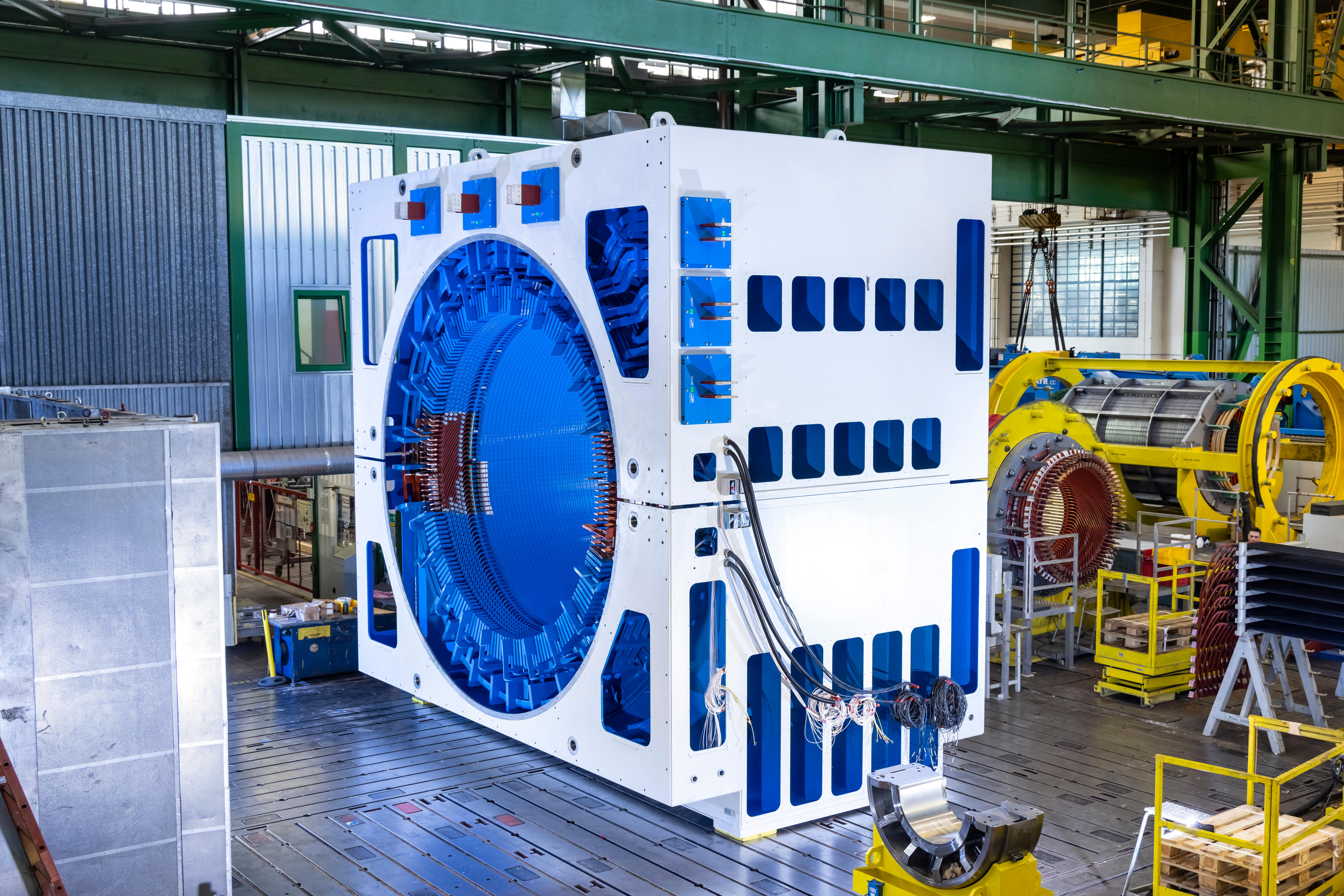
Enter the synchronous condenser — a proven technology experiencing a renaissance. These rotating machines operating without any mechanical load offer a number of critical services: They stabilize voltage, manage reactive power, and most importantly, inject inertia into the grid. Their ability to store and release rotational energy makes them indispensable in today’s low-inertia power systems.
The Bakersfield project, identified as necessary by the Electric Reliability Council of Texas (ERCOT), is a direct response to the region’s surging energy demand and the increase in renewable energy sites. Each of the two 175MVAr units from ANDRITZ will be equipped with advanced control, SCADA, and protection systems, that will be seamlessly integrated by GE Vernova. Together, they will strengthen the backbone of the grid, helping ensure that homes, businesses, and critical infrastructure are supplied with uninterrupted power, even in the event of sudden disruptions.
“At ANDRITZ, we are committed to delivering advanced synchronous condenser technology that enhances grid stability and reliability.”
But this story is not just about machines. It’s about people — engineers, planners, operators — working across continents to deliver a solution that balances innovation with reliability. It’s also about the communities in Texas that will benefit from a more stable grid. And it’s about the global energy transition, where every project like Bakersfield brings us closer to a more reliable, resilient, and sustainable future. ANDRITZ and GE Vernova are committed to providing a timely solution in the ERCOT region and are scheduled to complete the project in the summer of 2027.
At ANDRITZ, we are proud to contribute our expertise in synchronous condenser technology to this transformative development. With over 5,000 synchronous machines in operation worldwide, our legacy is built on delivering solutions that matter. As the world accelerates toward decarbonization, we remain committed to empowering our partners with the tools they need to navigate this transition safely and sustainably.
The Bakersfield project is more than a milestone. It’s a message that with the right technology, people, and vision, we can build a grid that’s not only ready for the future, but one that helps shape it.
Technical DetailsBakersfield: |
Authors: Marie-Antoinette Sailer, Darren Houghton
ANDRITZ Hydro in the USA is part of the ANDRITZ group. The company is one of the leading global suppliers of electro-mechanical equipment for hydropower plants.
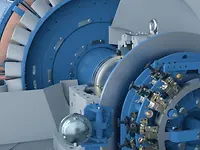
With ANDRITZ Synchronous Condensers to a secure and stable grid
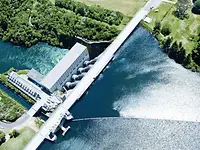
The modernization of existing hydropower plants allows an output increase of up to 30%.

The long success story of ANDRITZ Hydropower in Italy began already in 1884.