The opportunity ahead
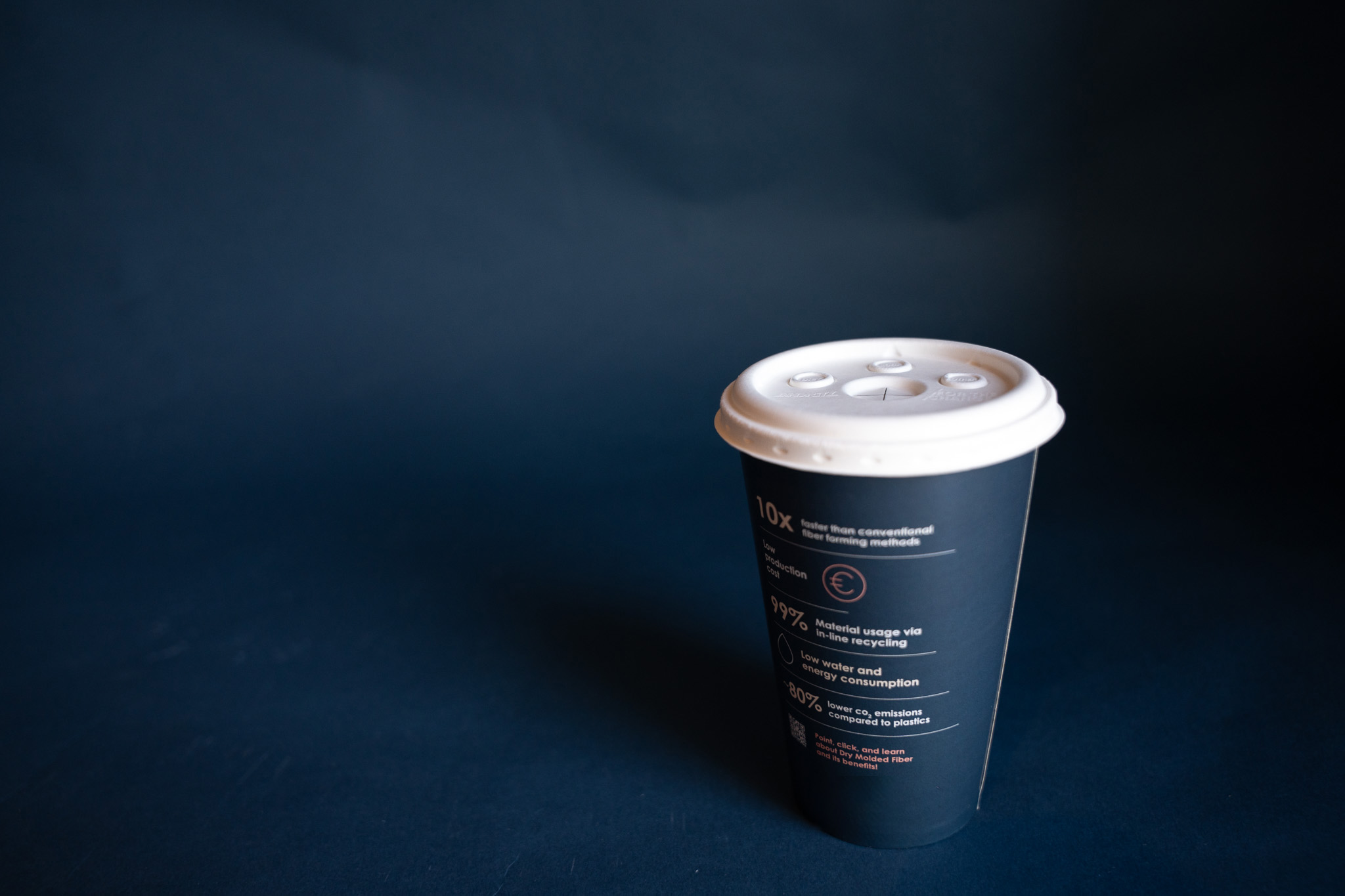
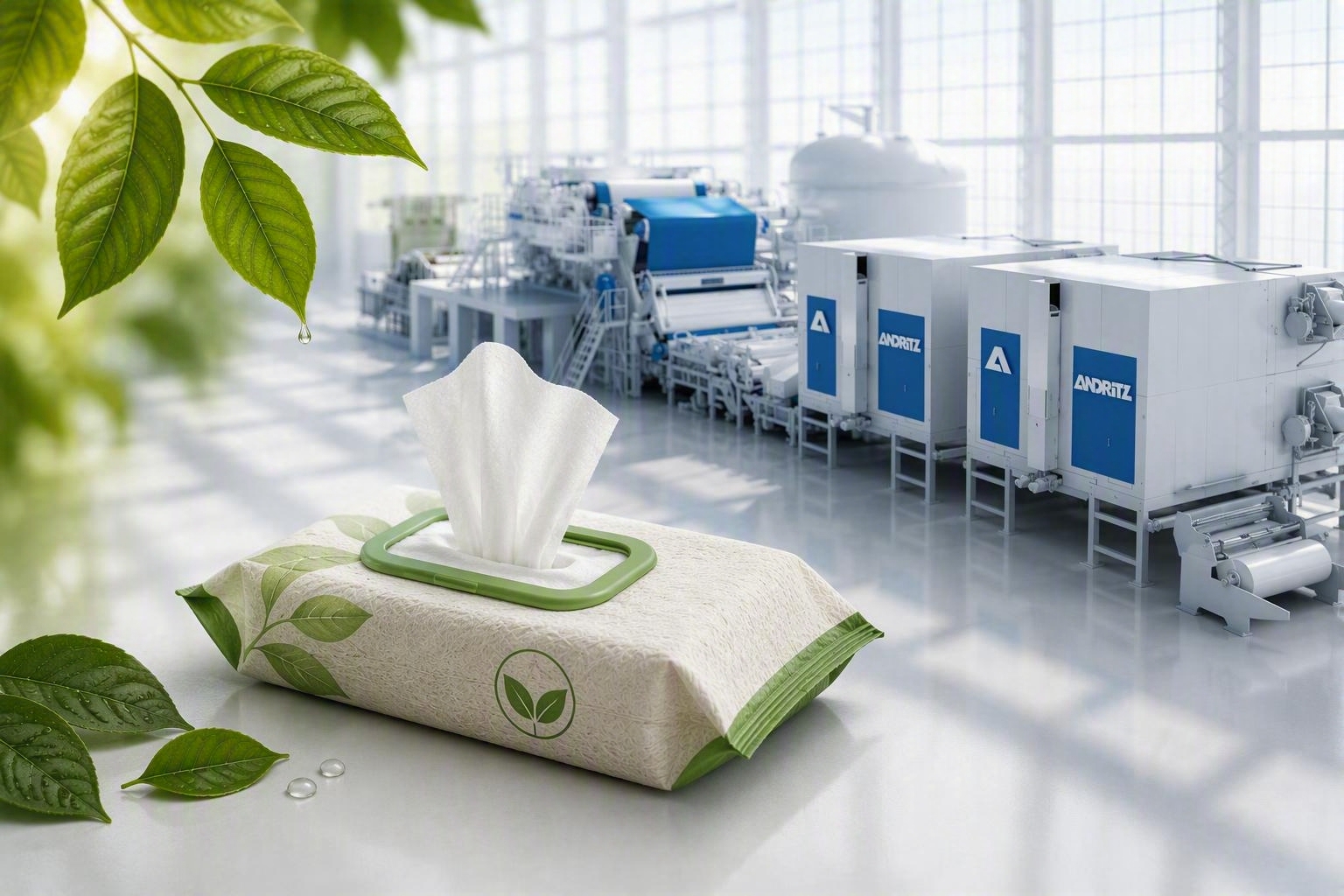
The future potential is enormous. Even a partial substitution of fossil-based materials with fiber-based alternatives could create significant new demand for pulp production globally. Industry discussions increasingly focus on building integrated value chains that connect pulp producers, technology providers, converters, brand owners, and recyclers. Within this ecosystem, pulp becomes much more than a raw material. It becomes the foundation for the next generation of sustainable products.
As a partner for the industry and a technology supplier, we know "Pulp is the future." The statement may sound bold, but the evidence is becoming increasingly difficult to ignore. From packaging and hygiene to textiles and advanced materials, cellulosic fibers are proving their ability to replace fossil-based solutions while meeting the performance requirements of modern applications.
Conclusion
The world is moving toward renewable, circular, and resource-efficient solutions. In this transformation, cellulosic pulp is emerging as one of the most important materials of the 21st century.
What began as a feedstock for paper production is rapidly evolving into a platform material for sustainable innovation. Whether it is replacing plastics in packaging, enabling next-generation hygiene products, or supporting the growth of sustainable textiles, cellulosic fibers are opening new possibilities across multiple industries.
The conclusion is clear: as sustainability moves from ambition to action, the world increasingly goes pulp. And that is no fiction.