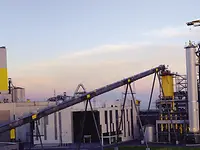
Picture of a pulp mill at night behind a river on the foreground

ANDRITZ sustainable SulfoLoop™ sulfuric acid plant technology for on-site production of sulfuric acid in kraft mills

ANDRITZ provides several technologies for increasing circularity at pulp mills. The SulfoLoop™ sulfuric acid plant allows kraft pulp mills to make their own sulfuric acid from concentrated non-condensable gases, at the same time as eliminating the purging of waste streams to the environment.

The ANDRITZ SulfoLoop™ solution is based on Wet-gas Sulfuric Acid (WSA) technology for converting wet, sulfur-rich gases and elemental sulfur into sulfuric acid.

© ANDRITZ

In recent decades, pulp mills have become more profitable and environmentally friendly by reusing byproducts and finding new sources of income. However, cutting emissions and wastewater means more sulfur stays in the system, which raises the mill’s sulfidity. Traditional ways to reduce sulfidity often involve discarding valuable materials – like recovery boiler ash and salt cake from chlorine dioxide production – into the environment. This not only wastes resources but also removes sodium, forcing mills to buy sodium hydroxide to replace it, which increases costs.  

The SulfoLoop system turns this challange into an opportunity. It recovers the sulfur coming from the pulp mill processes, thus eliminating the environmental and financial implications of purging sodium sulfate. The recovered sulfur streams are then transformed into concentrated, commercial-grade sulfuric acid for all the mill’s operational needs. The result is lower costs, reduced waste, and a sustainable solution that boosts mill profitability. 

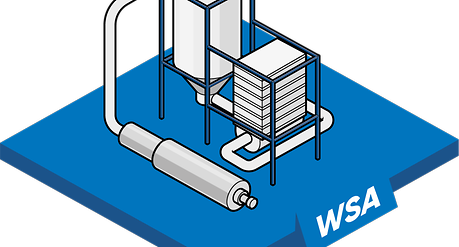
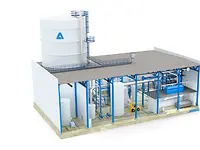
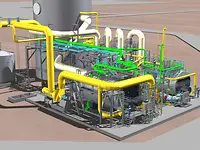
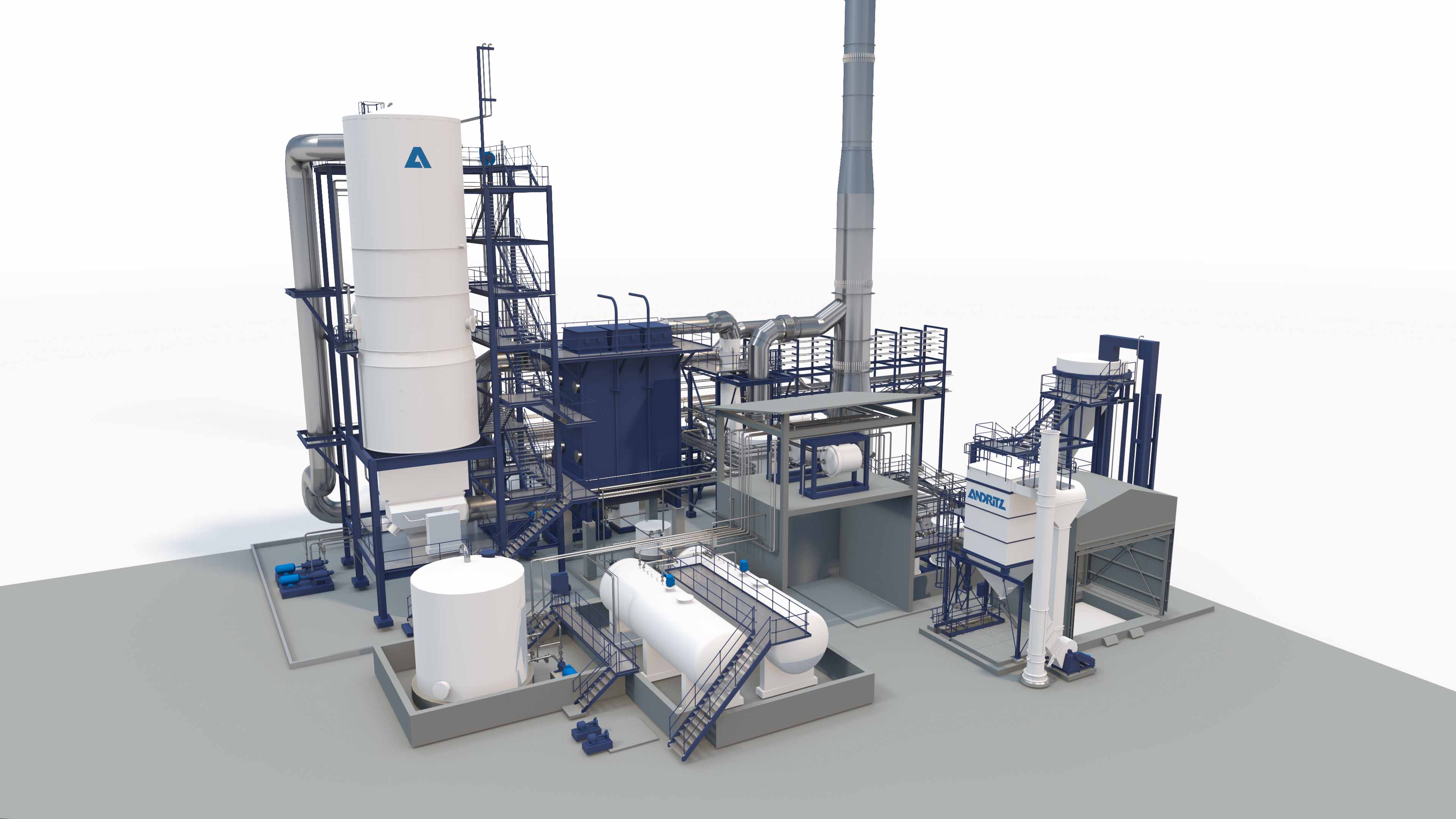
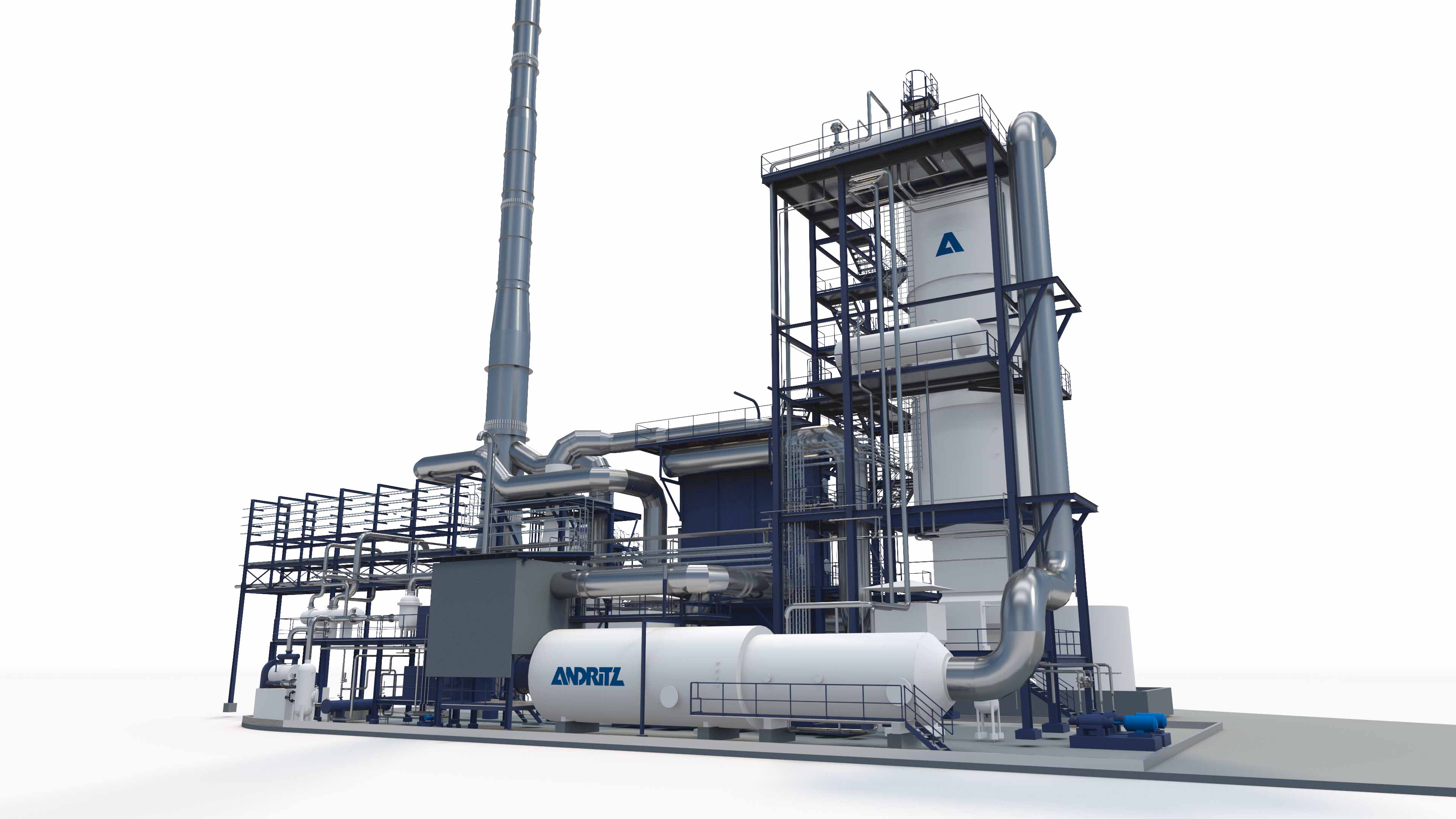
ANDRITZ SulfoLoop™ sulfuric acid plant (3D rendering)

ANDRITZ SulfoLoop™ sulfuric acid plant (3D rendering)

SulfoLoop sulfuric acid plant benefits both softwood and hardwood mills 

Softwood mills often face a sulfur surplus due to additional inputs, such as tall oil production, making sulfidity control in the chemical cycle particularly challenging. In these cases, sulfuric acid demand is higher, and achieving self-sufficiency becomes possible by supplementing with elemental sulfur – further enhancing the plant’s economic viability.

Hardwood mills, while typically receiving lower sulfur inputs, also gain significant benefits: complete self-sufficiency in sulfuric acid and full utilization of chlorine dioxide byproducts, driving efficiency and sustainability across operations. 

The plant utilizes WSA (Wet Gas Sulfuric Acid) technology developed by Danish company Topsoe. While relatively new in the pulp industry, the technology is well-proven, having already been licensed to operate at nearly 200 locations worldwide, in many industrial sectors. ANDRITZ has already successfully introduced SulfoLoop systems into the pulp industry with installations at two mills in Brazil, Klabin Puma and Suzano Ribas do Rio Pardo with another plant under construction in Sweden Södra Cell Mönsterås.  

The Topsoe WSA process is a wet gas catalytic process. The concentrated sulfuric acid is produced by condensation from a wet process gas. Drying of the process gas prior to treatment in a Topsoe WSA plant is completely unnecessary, which means generation of wastewater and loss of sulfur are avoided.  

The purpose of the first step in the process is to produce an SO2-rich gas at the operating temperature of the oxidation catalyst in the SO2 converter. Sulfurous feeds are oxidized to SO2 by combustion and then cooled to the optimum catalytic conversion temperature in a waste heat boiler. The excess heat from this operation is recovered as steam.  

The catalytic conversion of SO2 to SO3 takes place in one or more catalyst beds. The reaction heat is recovered between the catalyst beds by production of saturated or superheated steam. After the last conversion step, the gas is cooled and the SO3 reacts with water vapor to form gas-phase sulfuric acid. The process gas is finally cooled by a countercurrent flow of air in Topsoe’s proprietary WSA condenser.  

Clean tail gas exits at the top of the WSA condenser and the sulfuric acid is collected in the bottom section from where it is cooled and sent to storage. Hot air generated in the WSA condenser may be used to preheat combustion air of the recovery boiler, to ensure optimal energy efficiency. 

Producing high-quality lignin significantly increases sulfur input into the chemical recovery cycle and raises acid consumption, primarily due to the sulfuric acid required for the acid washing sub-process. To address this, integrating a Lignin Recovery system with the WSA process is a practical and cost-effective solution. The WSA process removes excess sulfur from the recovery cycle and converts sulfur compounds into recyclable concentrated sulfuric acid, which in turn is used in the process. This approach was successfully implemented at Södra Cell Mönsterås in Sweden, ensuring sulfidity remains under control – even at the world’s largest lignin plant. 


Benefits of ANDRITZ SulfoLoop™ sulfuric acid production

  • Saves money: No need to buy sulfuric acid or disposeump sodium-rich ash.
  • Lower environmental impact: Reduces waste and emissions.
  • Self-sufficiency: The mill produces its own acid and can even sell the surplus extra.
  • Energy recovery: The process also generatesmakes steam, which the mill can utilizese. 

SulfoLoop™ sulfuric acid plants are part of the ANDRITZ’s CircleToZero initiative, which includes new technologies aimed at optimizing pulp mill side streams. This global initiative for our pulp and paper customers brings together the continuous development and improvement of existing ANDRITZ technology solutions with an ambitious innovation goal for the future: To eliminate unused side streams, create new added-value products, and lay the foundation for zero emissions and zero waste production.

Contact us to find out more about how you can benefit from SulfoLoop technology!

Find out more ...

Podcast Slider Bild #15

Podcast about Klabin’s Puma Mill

Is this the very best showcase of sustainability at an integrated pulp and paper mill?

Read more
key visual image, ballerina dancing inside a infinity symbol

Chemical recovery solutions

See the chemical recovery cycle in a new light.

Read more
Recovered lignin cake

LignaRec™ lignin recovery

Recovering high-quality lignin from black liquor in kraft mills.

Read more
Methanol purification plant (3-D rendering)

Methanol purification

ANDRITZ chemical recovery concept for methanol purification.

Read more
HERB at Ružomberok

Recovery boilers

The recovery boiler plays a central role in the chemical cycle of a modern kraft pulp mill and generates energy for the mill.

Read more