Technical Details |
| Cahora Bassa: |
| Output: 5 × 433 MW (2,165 MW after rehab) |
| Head: 103.5 m |
| Speed: 107.14 rpm |
| Runner diameter: 7,145 mm |
| Runner weight: 160 tons |
A Partnership Powering South America
Project Story
Mozambique – From its coastal lowlands to the mountains that flank much of its western border, Mozambique is a country of contrasts. This east African nation is also home to some 1,000km of one of the continent's greatest rivers: the mighty Zambezi. A source of national wealth, sustenance, and in places known as the ‘River of Life’, the Zambezi also delivers clean and sustainable power.
Among the largest power plants in Southern Africa and by far the largest generation installation in Mozambique, the Cahora Bassa hydroelectric power plant dominates Mozambique’s energy sector. Indeed, with a current capacity of 2,075MW, the plant produces more than half of Mozambique's total energy and enables significant electricity exports to neighboring countries.
Cahora Bassa is not just an energy asset but a cornerstone of Mozambique's economic and social development.
Cahora Bassa was initially planned as a joint project between Portugal and South Africa. Construction began in 1969 with first power generation following in 1975 and full commercial operation reached in 1979. Although it started as a project under Portuguese colonial rule, majority ownership of the Cahora Bassa power plant and Dam was transfered to the state of Mozambique in an official ceremony in 2007.Today the plant is jointly owned by the state-owned Hidroeléctrica de Cahora Bassa (HCB) and Redes Energéticas Nacionais (REN), with 92.5% and 7.5% shares, respectively. HCB has set aside 7.5% of this share capital for distribution to Mozambicans, of which 2.5% was already made available through the first offer in 2019.
In the more than four decades since its completion, the plant has remained a critical asset for Mozambique and an important source of power for South Africa, despite the turbulence of a civil war and even sabotage. The plant has also been the subject of several rehabilitation programs to maintain efficiency and reliability. The most recent rehabilitation project involved the refurbishment of the Songo converter station about 6 km from the plant. This facility had not seen any substantial upgrades since it was first constructed, and the project was initiated to support continued and reliable exports to South Africa via two 1,4 km-long and 533 kV transmission lines.
At the end of 2024, ANDRITZ secured a contract to rehabilitate the complete electro- and hydromechanical equipment for the Cahora Bassa power plant under the banner of the Reabsul II project.
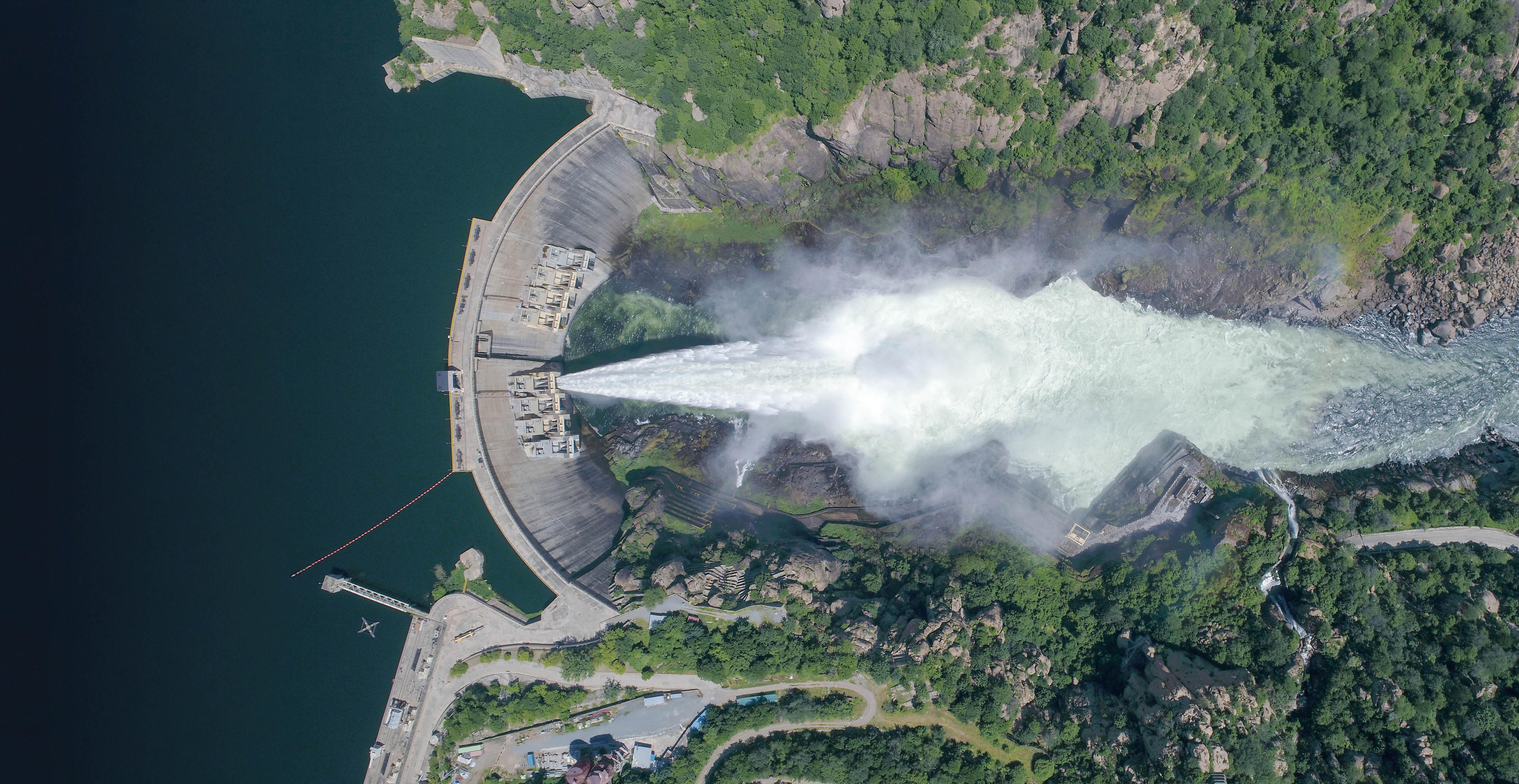
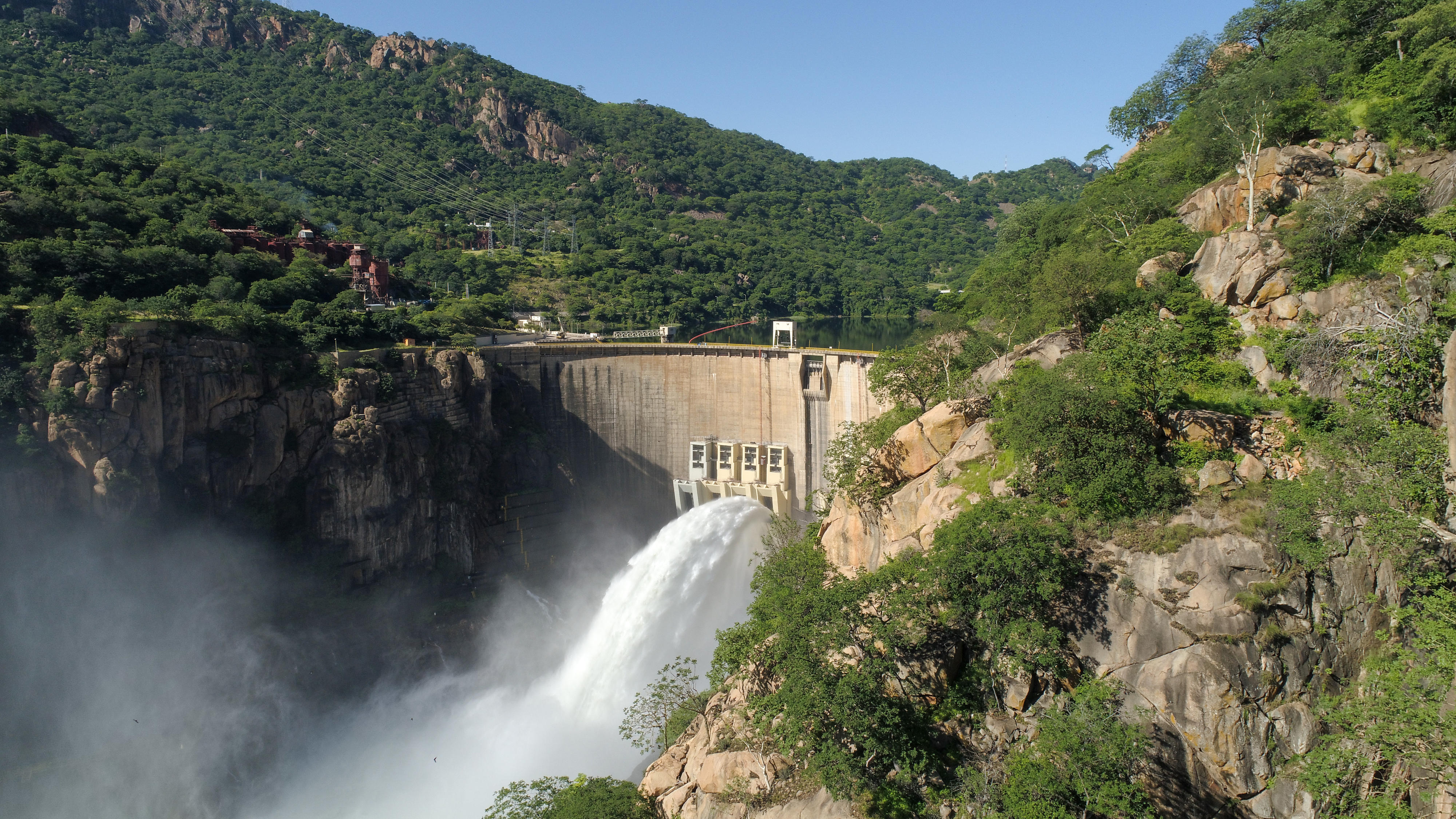
Cahora Bassa Dam stands out as one of the largest on the African continent with a capacity of 2,075 MW, providing a major part of Mozambique's total energy.
The scope of supply includes the replacement of all five 480 MVA generators, the provision of a new control and electrical power system, and rehabilitation of intake gates, draft tube gates, and the complete penstock. The electrical system refurbishment includes the supply of the new 220 kV high-voltage cables that connect the main transformers with the overhead line to the Songo Substation. In addition, ANDRITZ will design, manufacture, and supply five new Francis turbine runners, each with a capacity of 433 MW. These runners will be engineered and tested in ANDRITZ’s advanced hydraulic test laboratory in Linz, Austria and will increase both the efficiency of the generation units and the total generation capacity of the power plant. Each of the runners will have a diameter of more than 7 meters and a weight of 160 tons. ANDRITZ was also awarded a separate contract for a condition monitoring system for the generators to ensure safe and reliable operation of the generators until their replacement.
To ensure ongoing power generation during the refurbishment program, the five generation units will be replaced in sequence, allowing the operation of four units to continue as the refurbishment takes place.
Once complete, the Reabsul II project will enhance the reliability and availability of this nationally and regionally vital power plant for decades to come.
In addition to the installed hydropower capacity, a 400 MW solar plant is also planned for a site next to the Cahora Bassa Dam, which will both diversify and expand HCB's generation capacity. This solar project is being developed as part of a collaborative agreement between HCB and the International Finance Corporation (IFC).
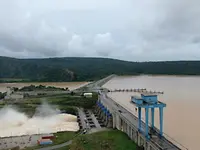
Dam and spillway Cahora Bassa dam
© adobe-stock.comThanks to the Zambezi, hydroelectric power dominates Mozambique's energy mix today and is expected to make further significant contributions to more widespread electrification and economic development in the future. With a population of less than 36 million, Mozambique is characterized by its young population, with an average age of just over 16. The majority live in rural areas, although urbanization is increasing. The country has seen significant development over recent decades with the electrification rate improving from 5% in 2001 to 31% in 2020. The government is set to continue this impressive rate of development by setting a target to achieve universal electricity access by 2030. Given the scale of the infrastructure needed to meet this goal, an electricity law was passed in 2022 to promote private-sector investments with the aim of expanding the electricity transmission and distribution network and increasing renewable energy contributions to the energy mix.
Mozambique is rich in natural resources and enjoys a diverse economy driven primarily by agriculture. Although this sector employs the majority of the workforce, the industrial and services sectors are also significant. Alongside its hydropower potential, Mozambique is also rich in other renewable resources like solar and wind as well in coal, natural gas, and minerals. Despite some challenges, the nation’s location on the Indian Ocean, young population, and natural resources represent ongoing opportunities for economic growth and the economy has been growing steadily.
To help meet growing energy demand and ambitious development goals, further transformation is expected from the nation’s estimated hydropower potential of 12,000 MW. Planned key projects include an extension of the Cahora Bassa power plant on the North Bank of the river, which will use the same reservoir and add additional capacity of about 1,300 MW.

Downstream of Cahora Bassa, another significant hydropower initiative is the Mphanda Nkuwa project. This power plant is expected to add a further 1,500MW of hydropower capacity to the national fleet and Mozambique is already collaborating with an EDF-led consortium to advance this development. Several other substantial hydropower projects are also under consideration, including the 1,000 MW Chemba project in Sofala, the 650 MW Lupata project in Tete, and the Boroma hydropower plant with a planned capacity of 210MW.
These projects will join Cahora Bassa and other nationally significant hydropower plants including the 25 MW Massingir hydroelectric power station located on the Olifants (now Lapelle) River, the 44MW Chicamba hydroelectric power station located in Manica Province, and the 41 MW Mavuzi hydroelectric power station, all of which are vital to Mozambique's electricity infrastructure.
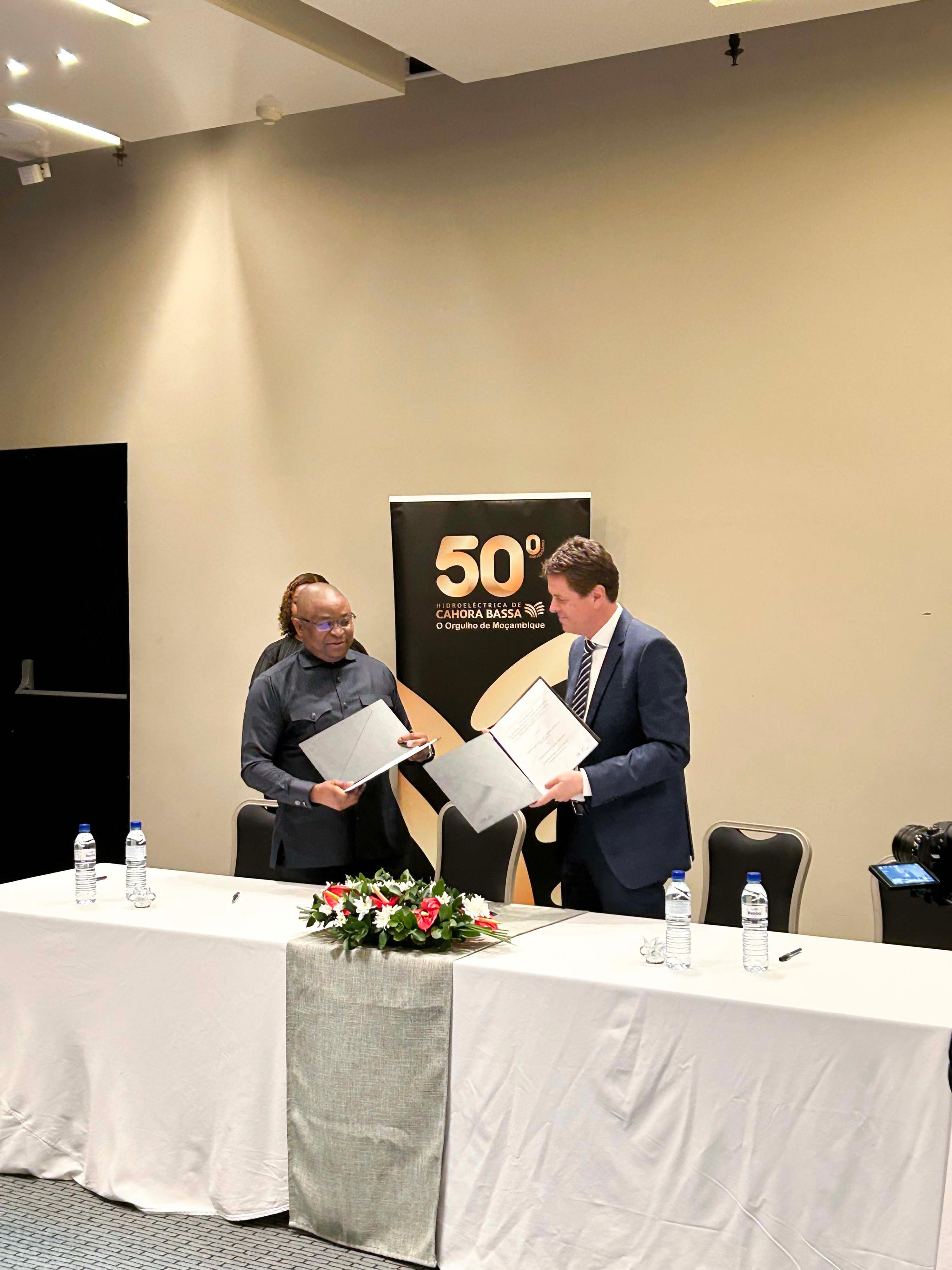
Signing of the contract for the rehabilitation project REABSUL II of Cahora Bassa
ANDRITZ is proud to be awarded the prestigious contract for the Reabsu II project, which highlights Cahora Bassa's commitment to supporting Mozambique's hydropower market. This project will help ensure clean and sustainable energy for the future, supporting the people of Mozambique on their journey to an equitable, accessible and sustainable energy system.
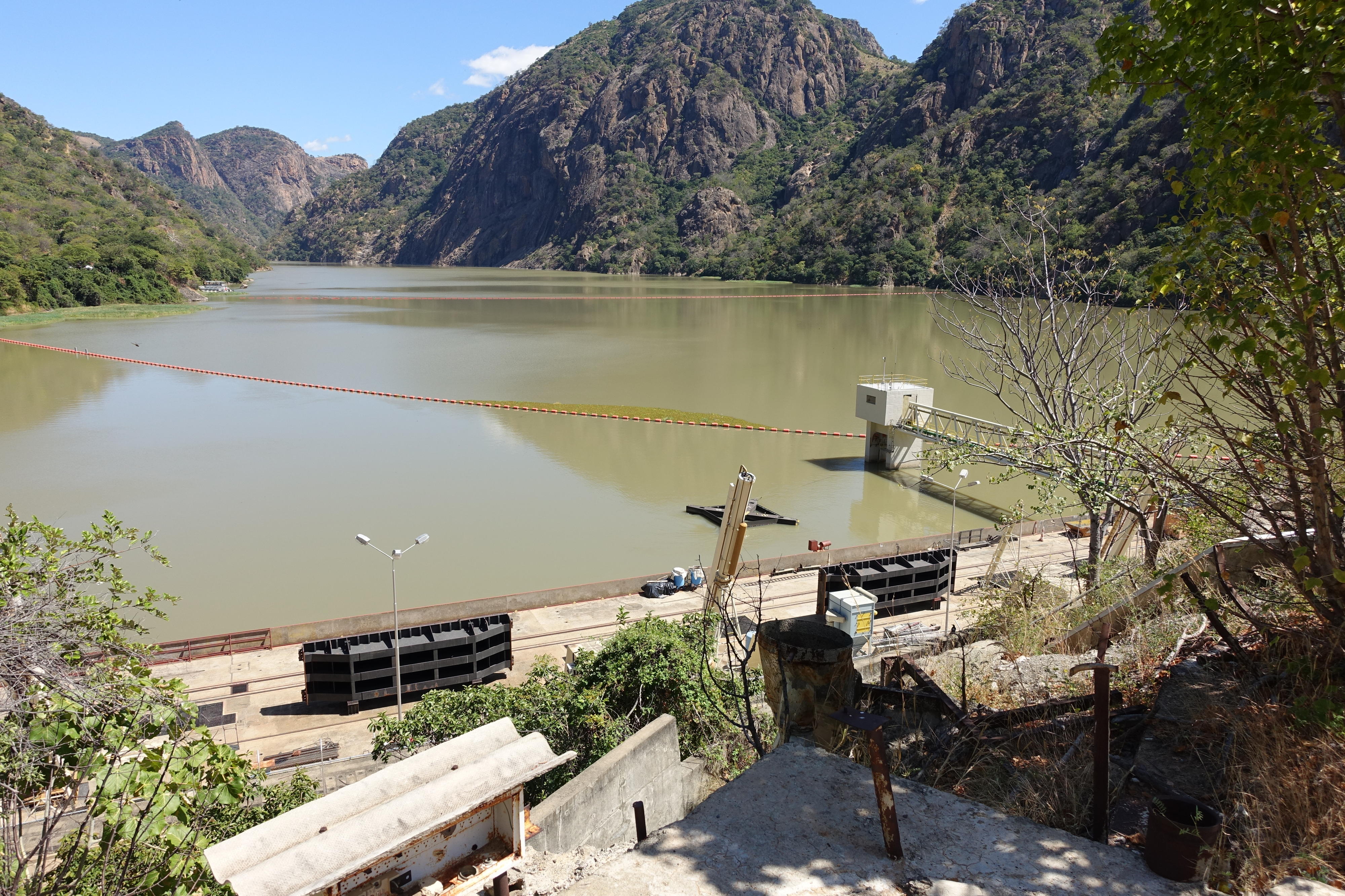
View upstream of Cahora Bassa
Technical Details |
| Cahora Bassa: |
| Output: 5 × 433 MW (2,165 MW after rehab) |
| Head: 103.5 m |
| Speed: 107.14 rpm |
| Runner diameter: 7,145 mm |
| Runner weight: 160 tons |
Author: Stefan Erath