

How does WAAM support sustainability and the circular economy?
WAAM supports circular economy principles by enabling the repair and reuse of existing components instead of replacing them. This reduces raw material consumption, energy use, transportation requirements, and CO₂ emissions. Repair significantly lowers the environmental footprint compared to manufacturing an entirely new cast component, making industrial maintenance more sustainable and resource-efficient.
What is Wire Arc Additive Manufacturing (WAAM) and how does it improve industrial equipment repairs?
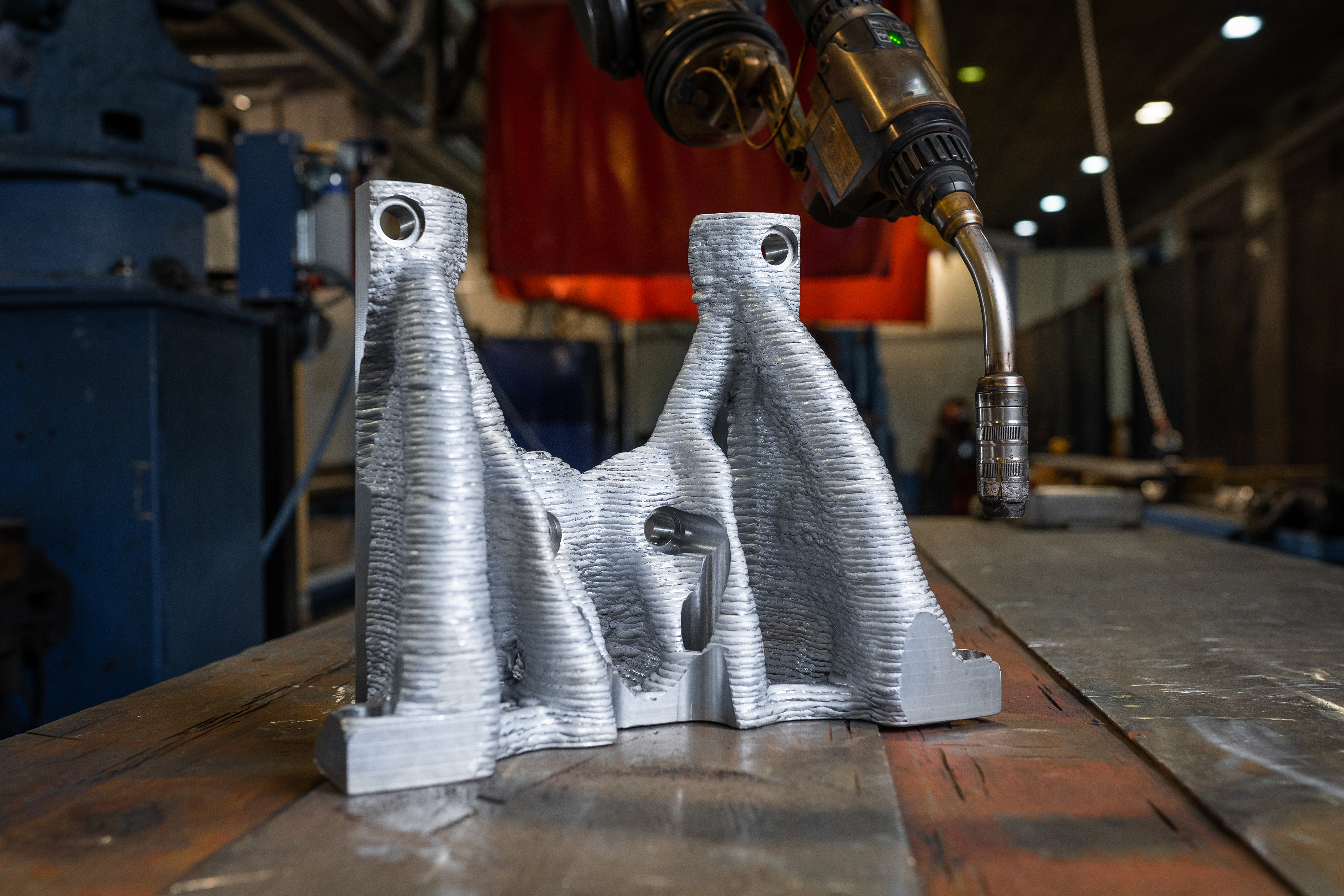
Wire Arc Additive Manufacturing (WAAM) is an advanced technology that combines robotic welding and metal 3D printing. Instead of using traditional welding methods, WAAM uses a robotic welding system to deposit material in very small layers. This approach minimizes residual stresses and cracking, resulting in repaired parts with mechanical properties that match or even exceed those of the original component.
How does ANDRITZ use WAAM to repair pulp and paper mill equipment?
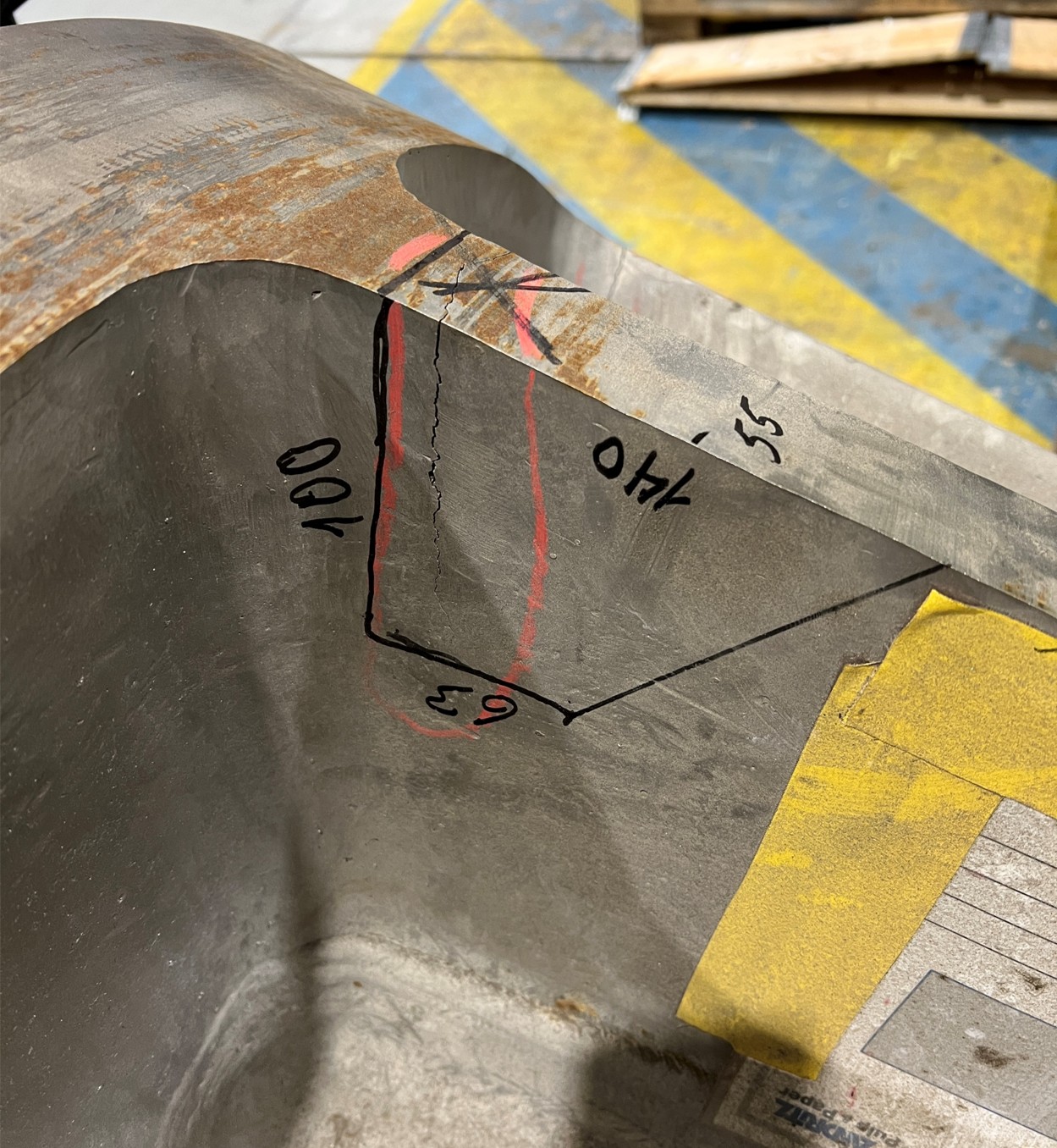
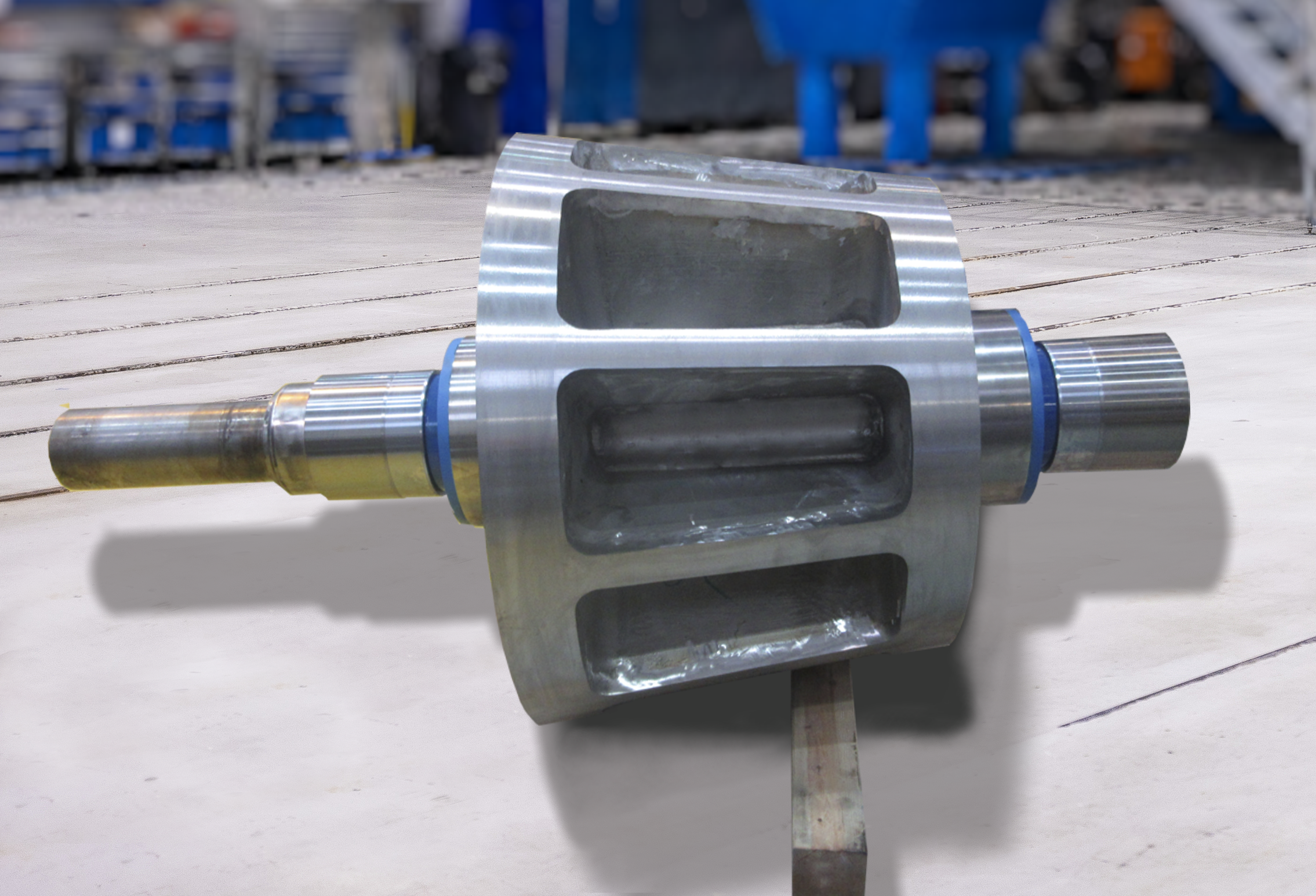
ANDRITZ uses WAAM technology to repair high-value cast components such as rotary valve rotors used in pulp mills. Damaged or cracked sections are removed and rebuilt layer by layer using robotic additive manufacturing. The process restores the component's structural integrity while avoiding the need for costly replacement parts, significantly reducing repair costs and lead times.