Essential in a volatile world - Defossilizing pulp mill lime kilns

Essential in a volatile world - Defossilizing pulp mill lime kilns

In a world of increasing oil and gas volatility in supply and pricing, ANDRITZ defossilizing technologies deliver fast, reliable fossil-free operation and provide an economical solution to one of the most energy-intensive processes in pulp mill operations.

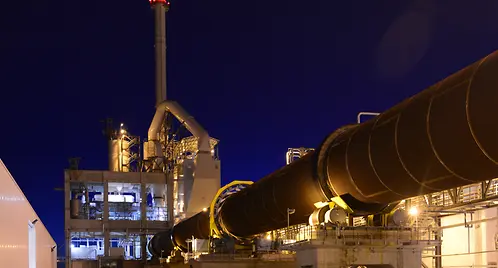
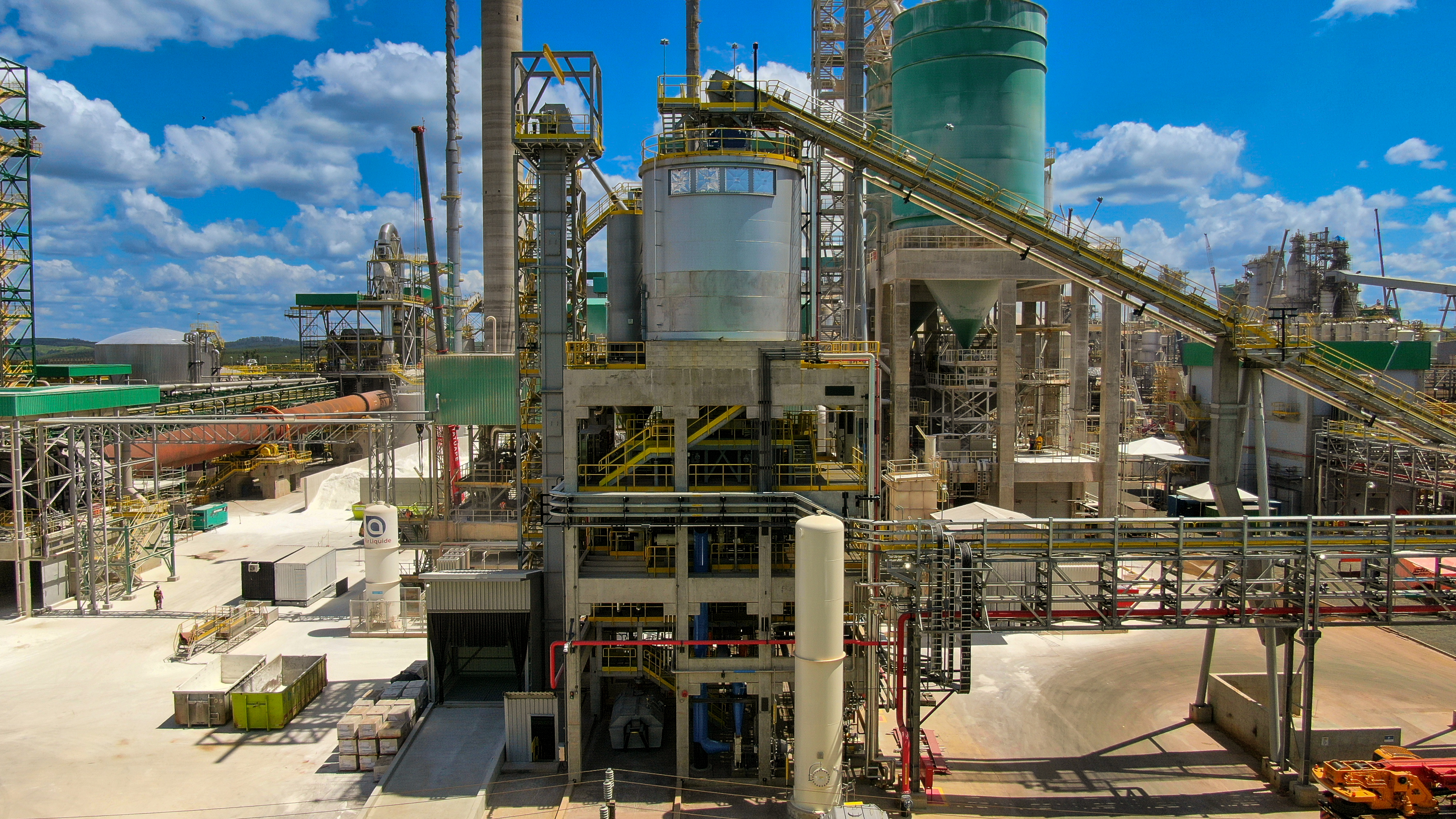
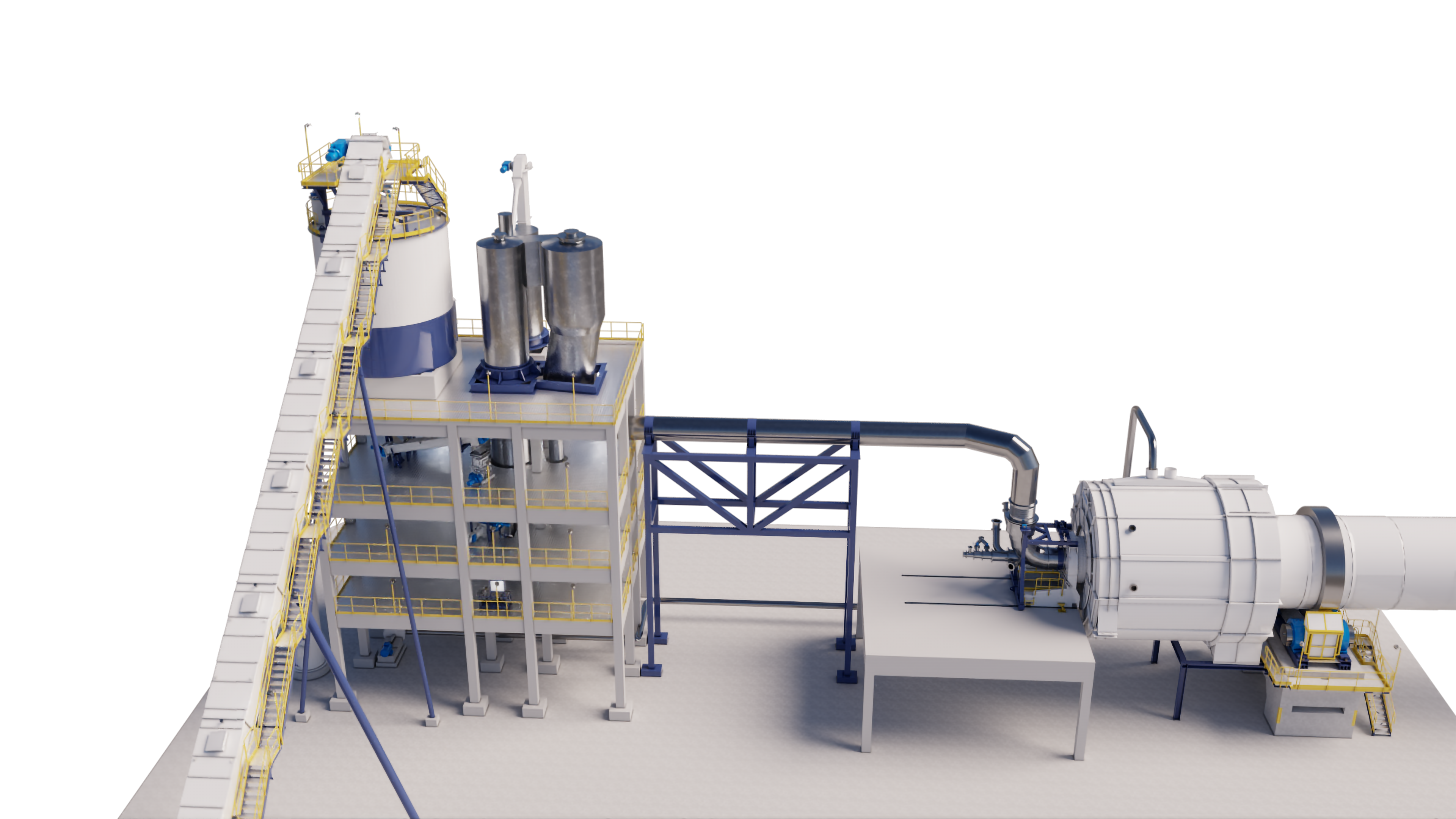
Biomass gasification plant in Klabin, Brazil

Biomass gasification plant in Klabin, Brazil

Global pulp producers have long committed to phasing out fossil fuels, a drive intensified now by energy-price volatility, sustainability targets, and increasing governmental regulations. 

Pulp mills face a clear imperative: the lime kiln is typically the single largest consumer of fossil fuel – both oil and natural gas. Replacing these fuels with biomass-derived alternatives is no longer optional; it is essential for decarbonization, cost control, and energy independence. ANDRITZ offers two proven, dedicated solutions: LimeBio-Gas gasification and LimeBio-Powder biomass powder burning, which enable mills to achieve 100% fossil-free lime kiln operation quickly, efficiently, and economically.

“Pulp mills are ideally positioned to adopt these technologies quickly and painlessly. Generally, the mills already generate bountiful amounts of biomass side streams, including bark, chip screening fines, rejects, and other residues, perfect fuels for ANDRITZ defossilization technologies. Gasification and powder-burning turn these local resources into kiln fuel at roughly 50% of the cost of fossil alternatives, while producing biogenic CO₂ that supports carbon-capture strategies. The result is immediate defossilization of the kiln, without compromising output or product quality."

Mika Mussalo, Head of Product Management, White Liquor Plant, ANDRITZ
Mika Mussalo
Head of Product Management, White Liquor Plant, ANDRITZ

LimeBio-GAS: TURNING SIDE STREAMS INTO HIGH-VALUE FUEL

LimeBio-Gas uses ANDRITZ’s proven Circulating Fluidized Bed (CFB) gasification technology to convert solid biomass, including lower-quality or reject streams unsuitable for direct combustion, into a clean product gas. The process dries the fuel with mill waste heat, gasifies it at atmospheric pressure, separates non-process elements (NPEs) to protect the lime cycle, and feeds the gas directly into a multi-fuel lime kiln burner. The gas burns with the high flame temperatures (~ 2,000°C) required for efficient lime reburning, temperatures currently unattainable with practical electric alternatives.


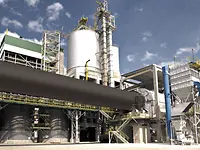
ANDRITZ LimeBio-Gas is a gasification-based biofuel plant designed for pulp mill lime kilns.

ANDRITZ LimeBio-Gas is a gasification-based biofuel plant designed for pulp mill lime kilns.

ANDRITZ gasification references include Metsä Fibre Joutseno mill in Finland, Chenming mills in China, Klabin's Ortigueira mill in Brazil and Suzano’s Ribas do Rio Pardo mill (two units), also in Brazil. In each case, these mills have replaced 100% of the fossil fuel in one or more kilns while maintaining full production.

“Gasification excels in large-scale operations. Individual plants range from 48 MW to 115 MW of product gas, making the technology perfect for modern pulp lines. ANDRITZ’s installed base and projects under execution already exceed 1,000 MW of gasification capacity worldwide.”

Topias Kuusrainen, Technology Manager, White Liquor Plant, ANDRITZ
Topias Kuusrainen
Technology Manager, White Liquor Plant, ANDRITZ

LimeBio-POWDER: SIMPLE, DIRECT POWDER COMBUSTION

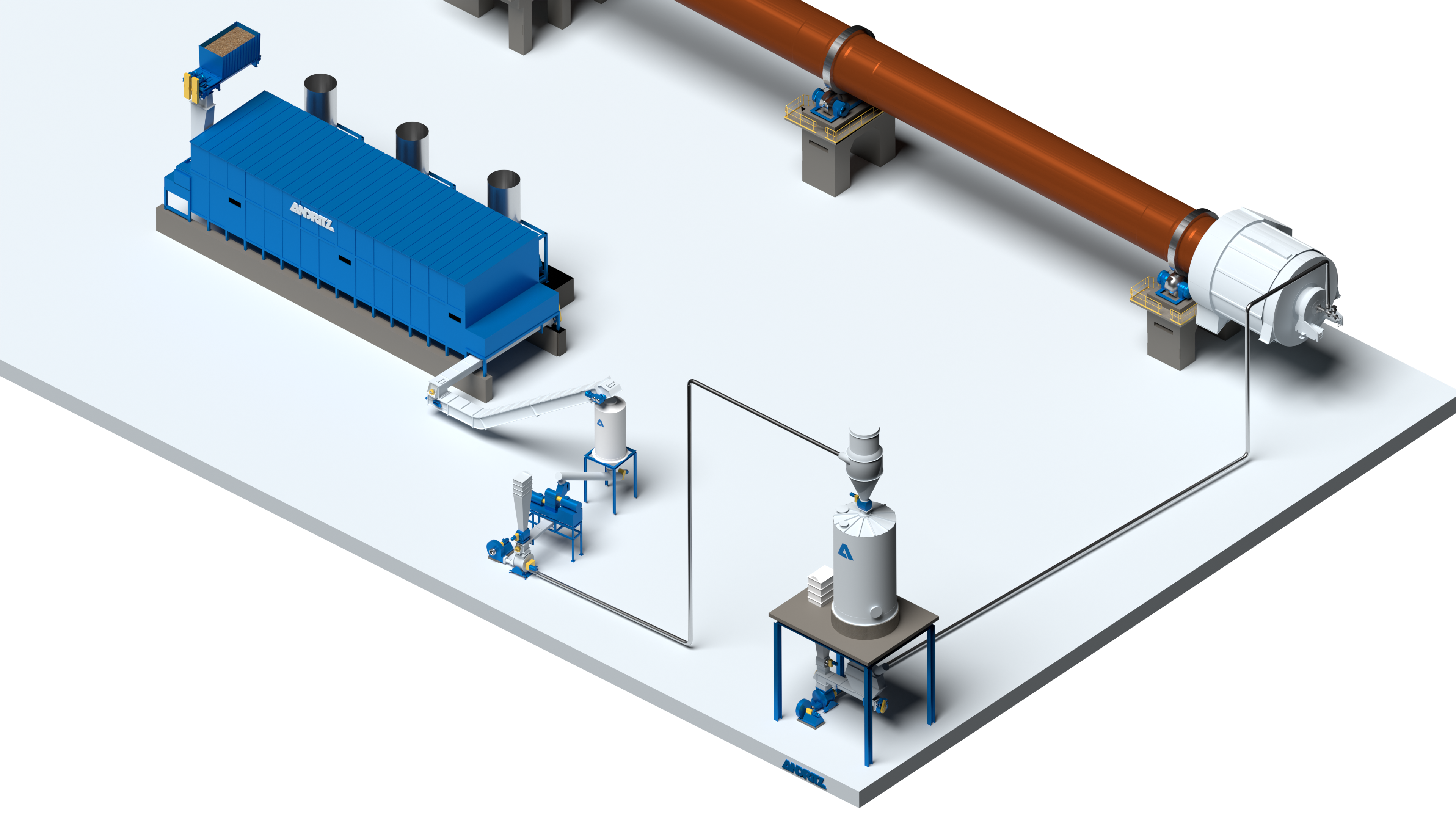
For mills with access to cleaner, low-ash biomass such as pellets or chips, LimeBio-Powder offers an even easier route to eliminating the use of fossil fuels. High-quality biomass is refined into a fine powder using ANDRITZ’s advanced milling technology, then pneumatically dosed and injected into a dedicated burner. The system integrates seamlessly with existing kilns: the old fossil-fuel burner is swapped out and the new powder system commissioned, often during a single shutdown.

ANDRITZ LimeBio-Powder system is a powdering-based lime kiln biofuel plant.

ANDRITZ LimeBio-Powder system is a powdering-based lime kiln biofuel plant.

“LimeBio-Powder delivers competitive capital costs and is particularly attractive for smaller or mid-sized kilns,” adds Kuusrainen. “Operation is similar to fossil fuel lime kilns, which means there is no steep learning curve for the operators.” ANDRITZ has supplied LimeBio-Powder technology to SCA Östrand in Sweden which has been in operation since 2011, with excellent long-term results, and project deliveries to a next-generation plant are ongoing in Europe. Because it burns dry, refined powder directly, the solution is highly automated, operator-friendly, and requires minimal additional infrastructure.

IMMEDIATE BENEFITS AND RAPID PAYBACK


Both technologies deliver instant impact. Once commissioned, they replace 100% of the kiln’s fossil-fuel consumption with no ramp-up period and no gradual transition. Mills achieve a dramatic drop in fossil-fuel use and CO₂ emissions on day one.
“Customer fuel-bill savings across the current installed base are estimated at 168–420 MEUR annually,” says Mussalo. “Payback periods are typically 2–3 years for full turnkey installations, depending on local fossil-fuel prices, biomass availability, and carbon pricing.” The numbers are impressive when it comes to environmental and economic savings utilizing ANDRITZ defossilization technologies: 

  • The installed base and ongoing projects for ANDRITZ gasification and powder burning technologies add up to more than 1,200 MW.
  • As 1,200 MW replaces natural gas and heavy fuel oil, the avoided fossil CO₂ emissions add up to more than 1.5 MTPA — equal to more than the annual emissions of 330,000 petrol cars.
  • ANDRITZ customers combined will save 168–420 MEUR annually on fossil fuel costs. 

The economics are compelling even without subsidies. Biomass is often sourced internally for pulp mills at low or negative cost; external pellets remain competitive in most markets. Mills also gain energy security, reduced exposure to volatile oil and gas prices, and an enhanced reputation as sustainable producers.

ANDRITZ’S INTEGRATED ADVANTAGE


What sets ANDRITZ apart is its position as a single- source supplier of the entire white-liquor plant, including the lime kiln itself. ANDRITZ lime kilns are purpose-designed for pulp mill operations and have decades of proven performance with gasification and biopower systems. This integration optimizes air flows, heat balances, and process stability and customers benefit from one point of contact for engineering, delivery, commissioning, and lifelong service, backed by local presence worldwide.

Implementation is straightforward. Delivery times of 12–18 months are common, with start-up often achieved during a routine annual shutdown. The technologies suit both retrofits of existing mills and greenfield projects. “If the biomass is available, it’s virtually plug-and-play,” adds Kuusrainen.

GASIFICATION – PROVEN PERFORMANCE


Sun Paper, Klabin, and Suzano have all publicly highlighted the reliability and sustainability gains from ANDRITZ gasification. Sun Paper in China continues to expand its gasification fleet, citing short delivery schedules and rapid ROI.
As part of its major pulp project at Nanning, Guangxi, China, Sun Paper recently started up an integrated white liquor plant including a lime kiln with a gasification plant for energy-efficient and fossil fuel operation. Fei Da, Recovery Island Project Director at Nanning Sun Paper says, “We have full confidence in ANDRITZ’s chemical recovery technology and equipment. We have a long history of cooperation and experience, and the project’s successful start-up and rapid achievement of production verified our choice of ANDRITZ technology.”

Klabin’s Puma II project in Brazil included a 51 MW gasification plant with a multi-fuel lime kiln burner and handling equipment with auxiliaries. Leonardo Scanavini, Recovery Area Specialist for Klabin Puma II says, “By replacing 100% of the heavy fuel burned in one of the mill’s lime kilns the ANDRITZ gasification plant significantly reduces the mill’s carbon footprint. The current lime kiln production remains at 650 t of reburnt lime per day.”

For Suzano’s giant Ribas do Rio Pardo project in Brazil, ANDRITZ supplied a complete White Liquor Plant with two gasification plants, enabling full fossil-free operation of the lime kilns. Mauricio Miranda, Pulp Industrial Director at Suzano says, “As a new energy model in the pulp industry, the biomass gasification plant produces renewable fuel for the lime kilns, where fuel oil, derived from petroleum, is replaced by a syngas (Syngas), produced from biomass.
“The technology results in energy-cost savings of more than 82% for lime kilns in addition to a 97% reduction in fossil fuel consumption, contributing to the reduction of greenhouse gas emissions in the operation".

ANDRITZ TECHNOLOGY TO ACCELERATE DECARBONIZATION ROADMAPS


Mussalo concludes, “As pulp producers accelerate their decarbonization roadmaps, ANDRITZ LimeBio- Gas and LimeBio-Powder technologies provide the fastest, most practical path to fossil-free lime kilns.
“With over 1,000 MW of gasification capacity delivered or under way, proven references on multiple continents, and payback periods that make investment decisions straightforward, these technologies are not just viable – they set the new standard.”

The message from the mill floor is clear – the side streams are already there, the technology is ready, and the economics work. Pulp mills that act now secure both environmental leadership and a significant competitive edge.

CircleToZero_Forest
© Adobe Stock

Circle To Zero - towards zero emissions and zero waste

CircleToZero is an initiative to provide future-proof solutions for our customers to reach their zero emissions and zero waste targets to produce their pulp and paper products.CircleToZero combines the development of new technologies, the implementation of digital solutions, and the utilization of side streams with the target to create financial value while lessening their environmental footprint towards zero.

Explore
ANDRITZ_4000x2000px_Bild_HL_FTC_1

ANDRITZ - FOR THE CHANGE

We enable the green transition.

Read more
A view looking straight up from the base of A-ConApex reactor, with the sun on the right.

Pulp Mill of Tomorrow – Today, with ANDRITZ

Transform your pulp mill into a full-scale biorefinery.

Find out more
ANDRITZ Q&A

How can pulp mills make lime kilns fossil-free? 

Pulp mills can replace fossil fuels such as natural gas and fuel oil with biomass-based fuels. ANDRITZ LimeBio-Gas converts biomass side streams into product gas, while ANDRITZ LimeBio-Powder uses finely milled biomass for direct combustion. Both technologies can enable 100% fossil-free lime kiln operation while maintaining full production and product quality.

What is the difference between LimeBio-Gas and LimeBio-Powder?

LimeBio-Gas uses gasification to convert solid biomass and lower-quality biomass side streams into product gas and is particularly suited to large-scale pulp mill operations. LimeBio-Powder uses clean, low-ash biomass that is milled into a fine powder and burned directly in the lime kiln, making it an attractive solution for smaller and mid-sized kilns.

What are the economic and environmental benefits of replacing fossil fuels in lime kilns?

Replacing fossil fuels with biomass in a pulp mill lime kiln can significantly reduce fossil CO₂ emissions, lower exposure to volatile oil and gas prices, and improve energy independence. ANDRITZ estimates typical payback periods of 2–3 years for full turnkey installations, depending on fossil-fuel prices, biomass availability, and carbon pricing. The installed base and ongoing projects for ANDRITZ gasification and powder-burning technologies represent more than 1,200 MW of capacity.

SPECTRUM

Recommended readings

AdobeStock_369206916
© Space Creator - stock.adobe.com

ANDRITZ BioCircleToZero PROGRAM sees new development projects

In a vital effort to double the value of wood being utilized at pulp mills, last year ANDRITZ launched the BioCircleToZero program. The initiative is already gaining significant pace with three ongoing development projects launched: SAUNA, H2ELP, and CirBRes. 

Rendering for Technews part

HyperFlaker

Traditional deflakers are a well-known technology. After decades of optimization, the state of the art no longer had much room left for improvement. Put simply, classical deflakers had been around for a long time, and had gotten just about as good as they were going to get.

Evaporation plant at the UPM Paso del los Toros mill in Uruguay
© Behrendt

High-end evaporation boosts process availability of the whole pulp mill

Pulp mill processes need to be continuous as well as cost and energy efficient. The evaporation process plays a critical role here. How do ANDRITZ evaporation solutions truly address these needs?

Metal 3D printing with welding robot

3D Printing - One layer at a time

Reinventing the repair service approach: WAAM. ANDRITZ has been working hard behind the scenes with the latest technologies to revolutionize the approach to repair of expensive cast parts in the pulp and paper industries. Now, utilizing Wire Arc Additive Manufacturing (WAAM), it is possible to dramatically shorten the cost of heavy cast equipment repairs, shorten downtime, and improve environmental performance.

Production line, Ekolution, Malmö
© Ekolution

From field to factory: Ekolution and ANDRITZ scale up CO₂- negative hemp insulation

In 2025, Swedish pioneer Ekolution successfully commissioned a fully integrated industrial production line for high-performance hemp fiber insulation at its plant in Malmö, Sweden. Delivered and installed by ANDRITZ, the new facility signals a major milestone in the commercialization of truly sustainable building materials.

Sleeve card board, end product of Carl Macher
© Chris Rausch

Dual Jewel

This challenging trade-off is well-known in the paper and board industry: pressure screens need to run their rotor at a certain speed to prevent plugging and ensure stable operation. But that can be energy intensive, and there has never really been much one could do about that. 
Until now.

HÉBERT GROUP AND ANDRITZ PIONEER DRY MOLDED FIBER TECHNOLOGY
© Hébert

From plastic to fiber

Hébert group and ANDRITZ pioneer dry molded Fiber technology.