Expert interview
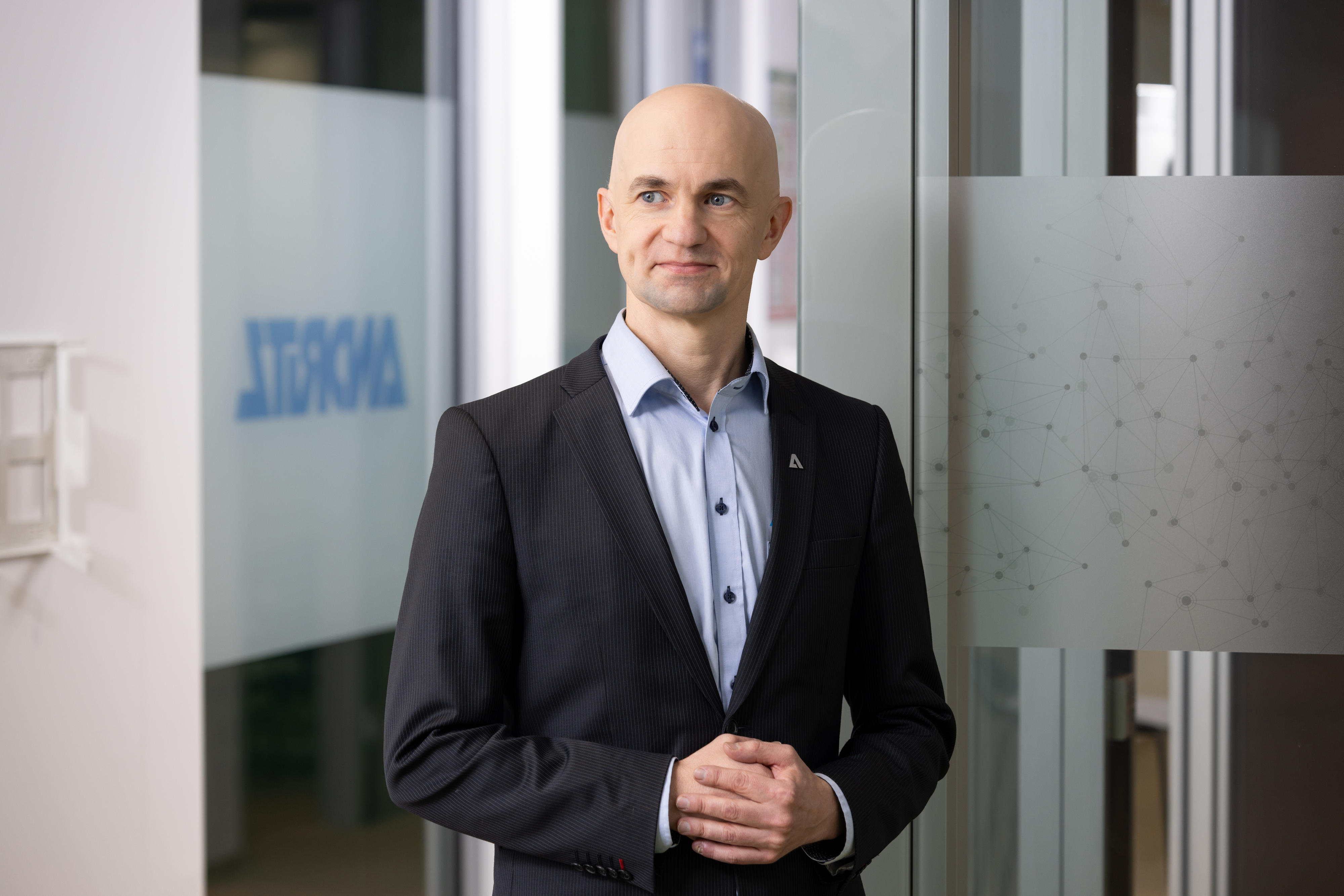
Henrik Grönqvist, Director of E-Methanol, ANDRITZ, answers some important questions for pulp mill operators.
Can you explain the concept of e-methanol and why biogenic CO₂ from pulp mill operations is particularly well-suited as a feedstock compared to other CO₂ sources?
Biogenic CO₂ from pulp mill operations is especially well-suited as a feedstock for e-methanol production. In pulp mills, biogenic CO₂is released during the processing of biomass, such as in recovery boilers, power boilers, and lime kilns, which use renewable raw materials like wood. This CO₂ is considered carbon-neutral because it originates from plant matter that previously absorbed atmospheric CO₂ during growth.
Compared to other industrial CO₂ sources, biogenic CO₂ is typically cleaner, with fewer contaminants, making it easier and more cost-effective to capture and utilize in chemical synthesis. ANDRITZ has recently partnered with Metsä Group to test carbon capture from a pulp mill’s recovery boiler. The six-month pilot project was conducted at a pilot facility located at Metsä Group’s mill in Rauma, Finland.
Furthermore, integrating e-methanol production at pulp mills leverages existing infrastructure and contributes to a more sustainable, closed-loop approach within the pulp and paper industry.
What are the main sources of biogenic CO₂ within a typical kraft pulp mill, and how much CO₂ is typically available per metric ton of pulp produced?
The main sources of biogenic CO₂ are the recovery boiler and potentially also the lime kiln, both of which process biomass-derived materials. Furthermore, in some cases, emissions from the power boiler can also be used.
Typically, around 1.5 to 2 metric tons of biogenic CO₂ are produced per metric ton of pulp, depending on the mill's operational efficiency and feedstock.
Can you walk us through the key steps in the e-methanol production process when using biogenic CO₂ from pulp mills - from CO₂ capture to hydrogen production and final methanol synthesis.
There are two main ingredients for the production of e-methanol, CO₂ and H₂. We are specifically targeting the Renewable Fuel from the Non- Biological Origin (RFNBO) sector.
First, we start by capturing CO₂ from the stack, clean the flue gases, and then apply a carbon capture technology that captures the CO₂ molecule from the flue gas stream.
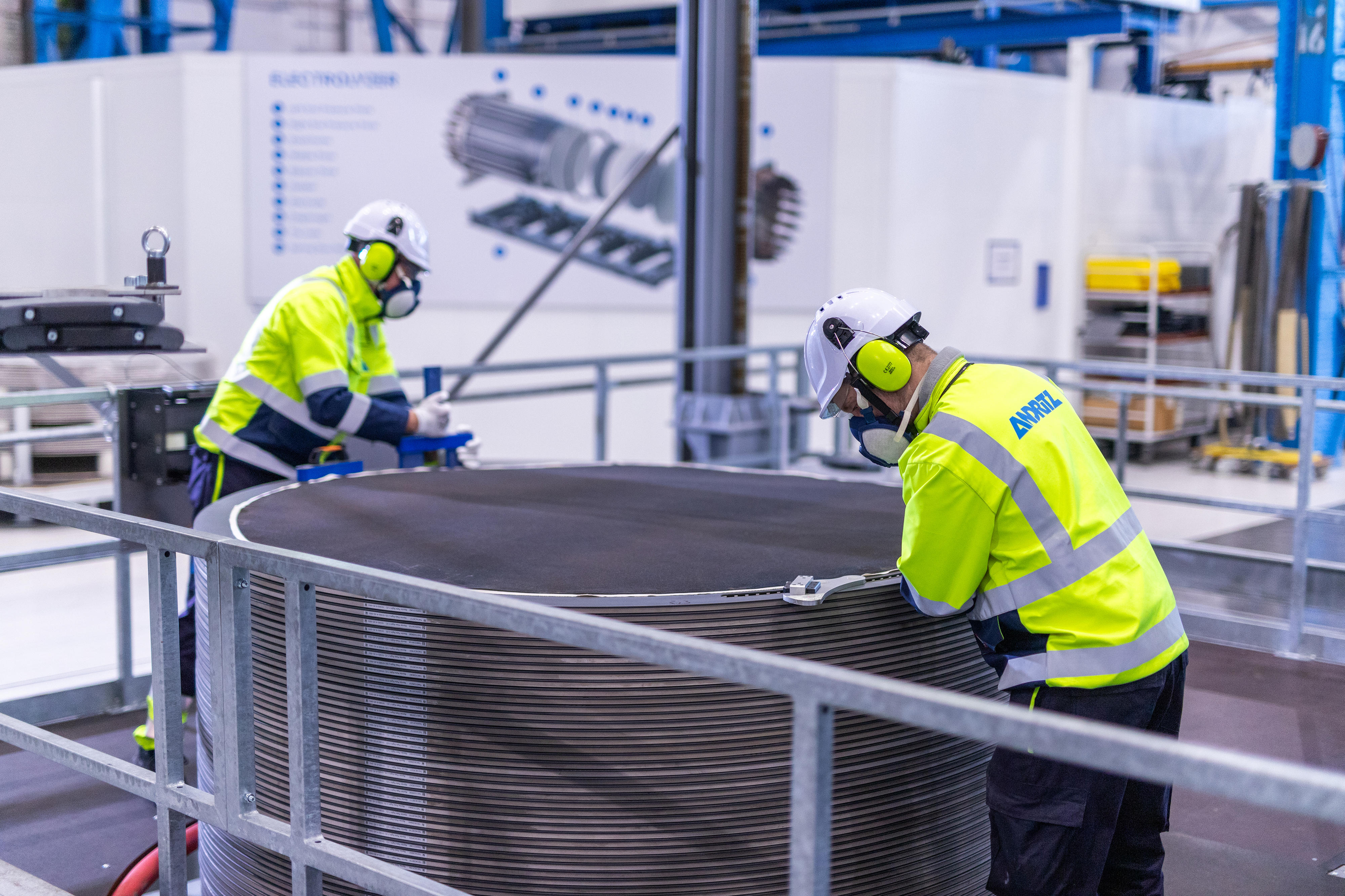
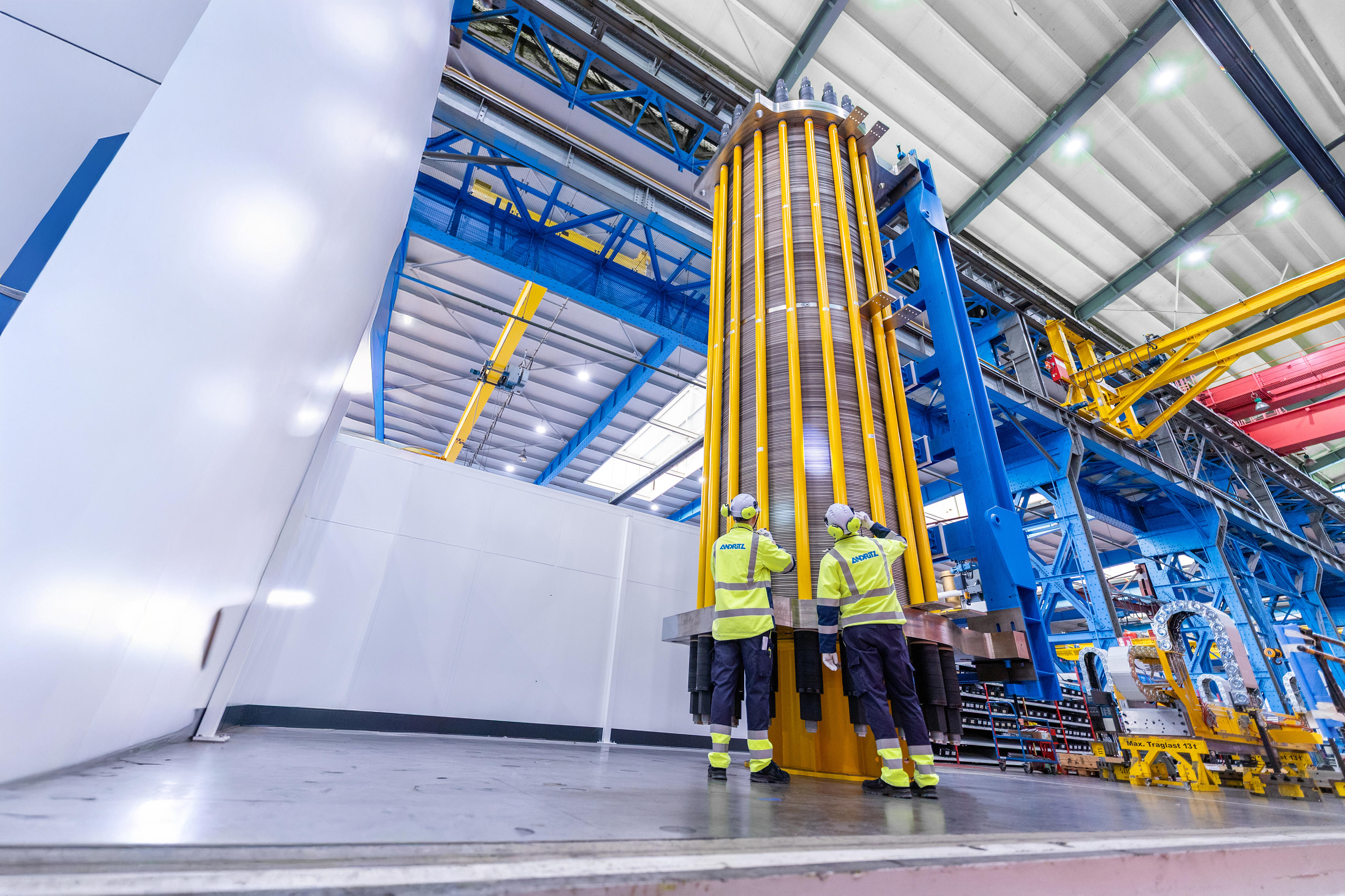
Then we need to extract the hydrogen molecule from the water. For this we use pressurized alkaline stack technology. Basically this means we hit the water molecule with electricity, and the outcome is hydrogen and oxygen.
These two molecules, CO₂ and H₂, are then combined in a catalytic reactor, a process called methanol synthesis, with the result being crude methanol. When cleaned, a pure methanol is achieved. The ANDRITZ integrated process leverages mill infrastructure for heat and utilities, with oxygen recycled back into mill operations.
What carbon capture technologies have proven most effective for integrating with existing pulp mill flue gases, and what are the main technical considerations for seamless integration without disrupting core pulp production?
ANDRITZ has its own technology for carbon capturing; amine based, Hot Potassium Carbonate (HPC) and membrane technology. This process needs steam and energy for extracting the CO₂ molecule. HPC offers lower steam demand and can utilize available electricity. Membranes are promising for smaller scales but remain at pilot stage. Integration is designed to avoid disrupting core pulp production by using existing steam and water systems that are typically not bottlenecks.
How does the production of green hydrogen (via electrolysis) fit into the overall e-methanol value chain at a pulp mill site, and what role does renewable electricity availability play in project feasibility?
It fits in very well. We are using a pressurized alkaline stack technology where both hydrogen and oxygen are produced. The hydrogen is used for e-methanol production, and the oxygen can then be used in different stages of the kraft pulp mill process; for example, oxy-enriched recovery boiler operation or in the bleaching stages.
What are the biggest technical and operational challenges when scaling e-methanol production from biogenic CO₂ at pulp mills, and how have recent projects addressed issues like energy intensity or heat integration?
The main challenge is the high electricity demand and its price volatility. Methanol synthesis and distillation prefer steady operation, while electrolysis can ramp up and down quickly to follow low electricity prices. Solutions include hybrid operation – using steady mill-derived methanol streams alongside variable electrolysis output, and advanced distillation designs. Overall system integration, heat recovery, and ensuring 24/7 mill reliability are key to success.
From an environmental perspective, how does e-methanol produced in this way contribute to decarbonization and circular economy goals in the pulp and paper industry?
At present, 50% of the carbon leaves pulp mills via the stack. By capturing biogenic CO₂ that would otherwise be vented, the concept prevents emissions and puts the carbon to productive use in fuels or chemicals. It reduces reliance on fossil methanol, supports energy optimization, and creates additional value from existing biomass without requiring more forest harvesting. Integration exemplifies circular principles: waste streams become feedstocks, byproducts are reused, and renewable electricity is valorized.
Economically speaking, what are the main cost drivers in biogenic e-methanol production today, and under what conditions (e.g., electricity prices, carbon pricing, or policy support) does it become competitive with fossil-based methanol?
Biogenic e-methanol is always more expensive than fossil fuel when compared to pump prices as electricity price is the dominant cost driver. A stand-alone e-methanol plant’s Levelized Cost of Product (LCOP), in this case e-MeOH, often exceeds 1,100–1,400 EUR per metric ton. A six-month study with one of the largest pulp producers in Brazil showed that full integration, leveraging shared utilities, steam optimization, oxygen use, and infrastructure, can reduce costs by approximately 15%, bringing production cost below 1,000 EUR per metric ton. Furthermore, we were able to boost the existing recovery boiler capacity by 7% utilizing ANDRITZ’s innovative oxy-concept. This technology achieves groundbreaking results and gives further commercial benefits to both the e-MeOH plant as well as for the pulp mill. Competitive projects are emerging in regions with low-cost green electricity such as the Nordics, parts of South America, and China.
Looking ahead, what do you see as the biggest opportunities and potential barriers for widespread adoption of e-methanol production from pulp mill biogenic CO₂ over the next 5–10 years?
Opportunities: The technology is mature. Large CO₂ volumes, existing infrastructure, and policy tailwinds (carbon pricing, ETS, renewable fuel mandates) create strong potential. Longterm offtake agreements from fuel buyers will de-risk investments.
Barriers: High capital costs, a need for even cheaper green electricity, stronger regulatory incentives for biogenic CO₂ utilization, and development of the full supply chain (harbors, transport, endusers). The ecosystem is still nascent and requires coordinated growth.
ANDRITZ’s e-methanol concept transforms pulp mills from traditional biomass processors into integrated renewable fuel producers. By closing carbon loops and creating synergies between pulp, power, and fuel production, it offers a practical pathway to decarbonize the industry while generating new economic value. With supportive policy and offtake commitments, largescale deployment appears increasingly feasible.