“We installed the DD-Washer, removed six filter washers, and relocated the wash press – this means the DD-Washer replaced seven washers in total, which is very impressive."
Alberto Fombella
Senior Project Manager, Ence Navia

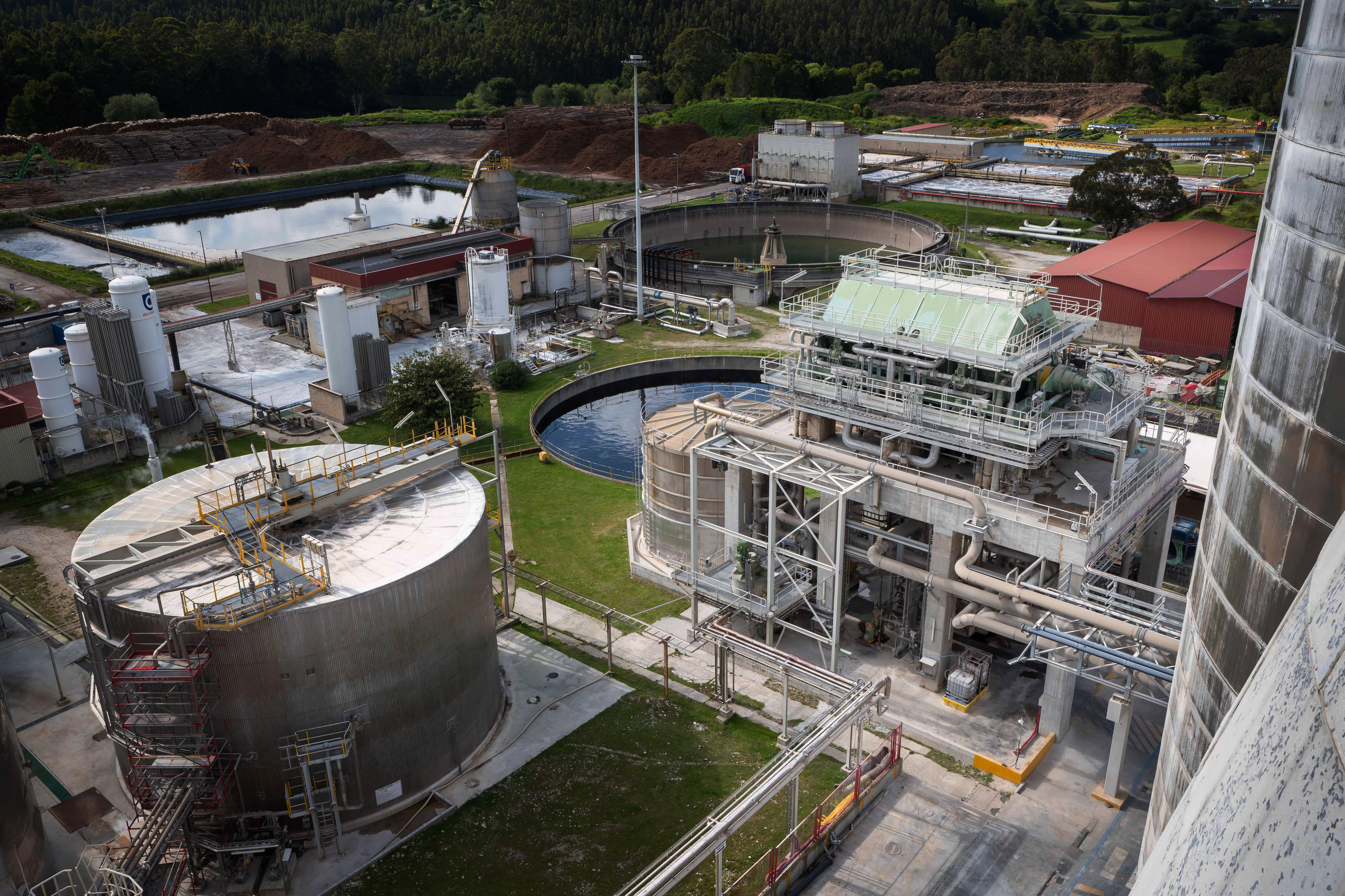
It seems there is always a lot going on at Ence’s Navia mill in northern Spain. Situated in a valley close to the picturesque village of Navia, the mill is at the forefront of developing specialist pulps for paper and tissue producers across Europe. It also takes its responsibilities seriously when it comes to the local environment.
Mill manager Maria Luz Sanchez says, “We are totally focused on producing high-quality pulp at the Navia mill, with an emphasis on delivering differentiated pulps that help our customers produce the very best products. We produce a number of specialist pulps including Powercell, which reduces the need of long fiber in the furnish, and Natrucell, which is excellent when it comes to reducing the carbon footprint of the papermaking process.”
The mill also produces a number of other differentiated pulps including High White, Decocell, Closecell, Porocell, Softcell, and High Bulk. Sanchez adds, “We see that the specialist pulp we produce is key to our future as it allows us to set ourselves apart from the more commodified pulps. However, it means the mill has to be very flexible to make the regular grade changes.”
Looking after the environmental side of pulp production is at the top of the list at the Navia mill as the site is very close to the town where at least half of the 400 people that work at the mill live. Sanchez continues, “We have won a number of awards at Ence in recognition of our sustainability performance, and we are very proud of our environmental record at the Navia mill, which has minimum impact on the local community when it comes to noise and odors.”
Alberto Fombella
Senior Project Manager, Ence Navia
In 2018, Ence management decided to build on the Navia mill’s performance by increasing capacity as well as continuing to improve the environmental efficiencies. To make this happen, the “Navia 80” project was born, which would see the mill increase capacity by 80,000 t/y at the same time as optimize water consumption, improve effluent quality, and eradicate odors and noise.
“This was a challenging and ambitious project,” continues Sanchez. “Increasing the capacity of pulp production to such an extent demanded intricate planning as virtually every single process area of the mill had to be expanded or adapted to cope with the increase.”
In 2017, Ence contacted ANDRITZ to present a solution to the fiberline conversion and expansion using its latest technology, as well as upgrade areas of the recovery island. Contracts were signed in early 2018 and work began on the project.
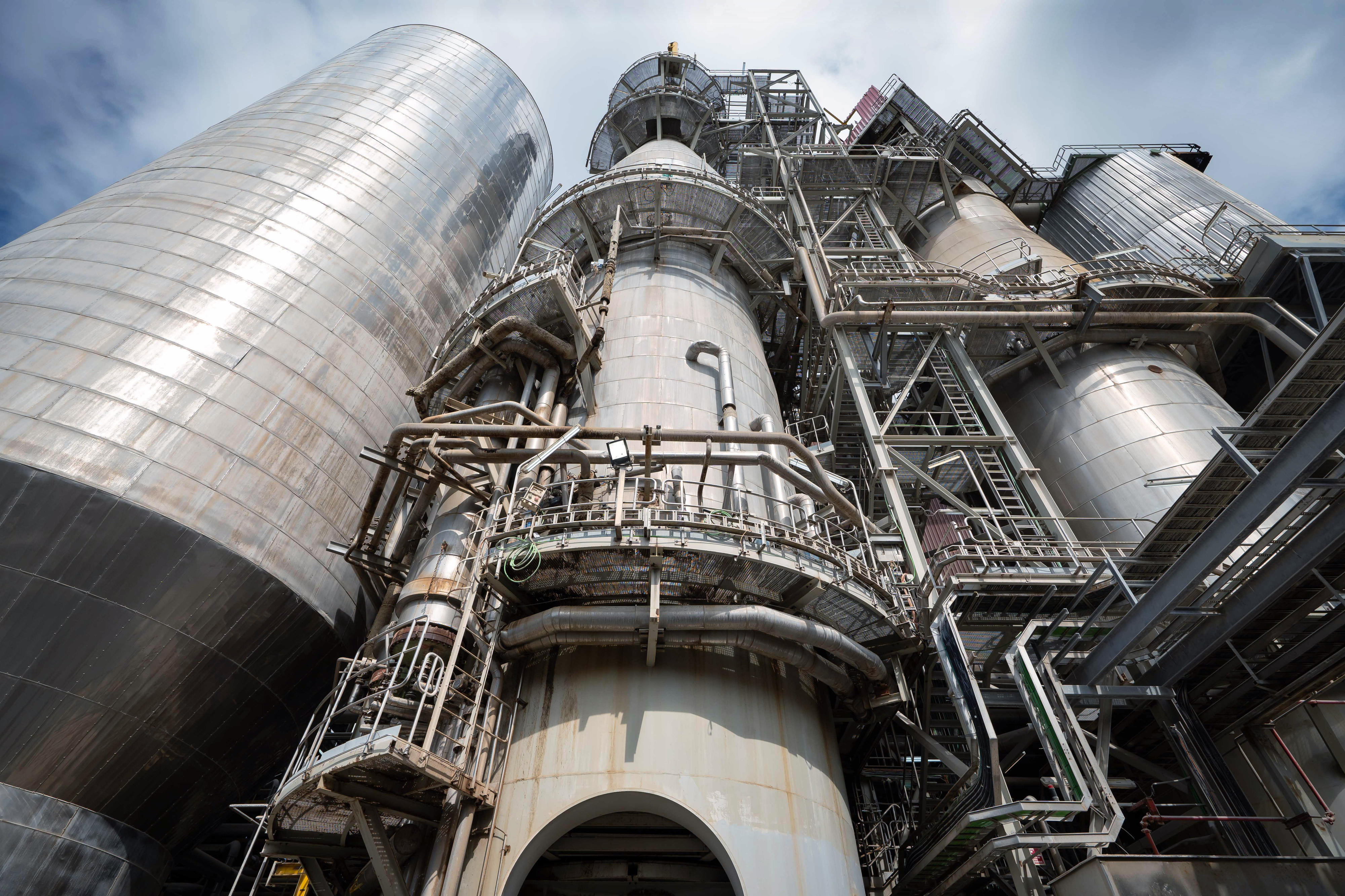
The ANDRITZ scope of supply for the Navia 80 project included the modernization of the fiberline to increase capacity and yield while decreasing chemical and energy consumption. The modernization involved converting the existing cooking system – originally delivered by another supplier in 2008 – to ANDRITZ LoSolids cooking technology. Further, the modernization involved replacing the existing chip feeding system with an ANDRITZ TurboFeed system and adding a vapor reboiler to improve digester heat recovery and minimize odorous gas emissions. Brownstock washing was also upgraded.
The project also included installing an ANDRITZ Solaris steam feeder to guarantee stable heating and operation of the first D-stage in bleaching as well as the modernization of the screen room. The improvements in brownstock washing came from the relocation of the wash press and replacing six filter washers with just one three-stage DD-Washer, and improving the dewatering capabilities of the existing wash presses with an ANDRITZ UniDry upgrade.
ANDRITZ also modernized the screen room with the installation of an integrated knot separator and primary screen (CombiScreen) to minimize fiber loss and allow the reuse of knots and other screening rejects. New knot and reject washers were also installed.
Alberto Fombella, Senior Project Manager, Ence Navia says, “We had been working for a number of years with ANDRITZ in the boiler and dryer areas at the mill, so it was natural to bring in its fiberline experts for the Navia 80 project. What made this proposal regarding the fiberline most compatible was the LoSolids technology for the digester and the DD-Washer technology.
“In the fiberline we converted the existing digester into LoSolids technology and reused many elements including the heat exchangers. In the brownstock washing area we completely revamped the screen room and reused several of the screens by rearranging them. We installed the DD-Washer, removed six filter washers, and relocated the wash press – this means the DD-Washer replaced seven washers in total, which was very impressive.”
Alain Blanco, Senior Process Engineer at the Ence Navia mill adds, “We chose LoSolids cooking technology from ANDRITZ as we knew it was the best available technology. But truthfully, at the beginning, we didn’t quite understand how the technology worked. However, we got it eventually and we are deeply impressed with the performance.”
“What has impressed us most is the pre-steaming with the Diamondback technology and TurboFeed, which is the benchmark for pre-steaming wood chips for optimum impregnation. We have noticed that due to the fiberline improvements we are already reducing the specific consumption of wood at the mill, which is very pleasing to Ence management.”
The Navia 80 project also demanded a number of upgrades in the chemical recovery area of the mill. ANDRITZ was contracted to modernize and upgrade the evaporation plant, recovery boiler, and white liquor plant.
In the evaporation plant, a number of upgrades were made, including: a planned capacity increase to 525 t/h that was achieved by two existing units in parallel and adding a new evaporator effect along with an additional surface condensing area. Two older concentrators delivered by ANDRITZ in the late 1980s were revamped with lamella-type heating elements. In addition, a concentrator was installed to increase the dry solids content of black liquor entering the recovery boiler to 80%.
In the recovery boiler, ANDRITZ carried out a rebuild to enlarge the lower secondary air ports, boiler bank wall, and the economizer inlet to allow higher gas flows. In addition, the electrostatic precipitator was expanded to increase the unit’s capacity for eliminating dust and particulate emissions from the air.
New technology was also supplied for the white liquor plant to improve green and white liquor production while reducing energy consumption.
Fombella says, “To go with the increased capacity of the fiberline, we needed to increase and improve the rate of the recovery island. In this case, ANDRITZ was the natural choice as we had already been working with them in the evaporation and recovery boiler areas since 2008."
“We revamped the recovery area completely in order to achieve a higher concentration to the boiler, and carried out significant modifications to increase the production rate across the whole process. We are delighted as we have calculated that we have now increased the recovery boiler’s capacity by 2% above the design capacity.”
Alain Blanco
Senior Process Engineer, Ence Navia
The project took place between early 2018 with start-up commencing in November 2019. The mill continued producing pulp throughout the project except for three shutdowns – two short ones for process tie ins and a longer one of 30 days in October 2019 for the final commissioning and start-up.
“This project was an enormous challenge,” says Sanchez. “We had to upgrade and retrofit across the mill in all areas, and the planning had to be meticulous. ANDRITZ gave us great support across the whole project, from planning and installing the equipment to training people in what was often completely new technology to all of us.”
“The mill is now running at full capacity – we have increased production from 540,000 to 620,000 t/y. This has been a fantastic project and we are very pleased with the outcome and the return on investment. We had sellable pulp just two weeks after start-up and now we are ready to solve the next bottlenecks a successful project like this creates!”
Reducing the environmental impact of the pulp production is one of the biggest challenges facing the industry. ANDRITZ fiberline systems are based on the most progressive technology. Further, the welfare of the environment is a major benefit.
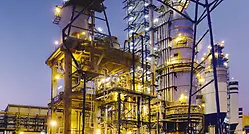
Reducing the environmental impact of the pulp production is one of the biggest challenges facing the industry. ANDRITZ fiberline systems are based on the most progressive technology. Further, the welfare of the environment is a major benefit.
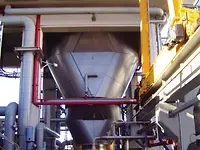
ANDRITZ Lo-Solids cooking has been under continuous innovation and improvement for 15 years and is now the preferred method of continuous cooking. The flexibility of ANDRITZ’s continuous Lo-Solids cooking system is unmatched by competitive offerings.
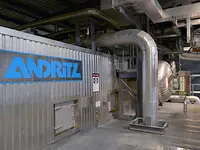
The recovery boiler plays a central role in the chemical cycle of a modern kraft pulp mill and generates energy for the mill.
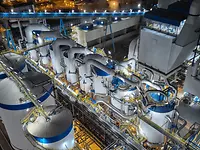
The technologies, products, and services for even the most challenging pulp mill evaporation needs are all available from ANDRITZ.
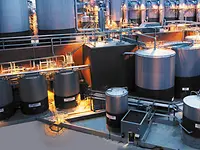
ANDRITZ white liquor plant components are designed as standalone machines for the white liquor plant, but offer truly superior performance when integrated into complete systems. ANDRITZ white liquor plant technology delivers cleaner emissions, lower energy consumption, reduced loads to the landfill, and high white liquor quality.

Your technology and service partner for the production of pulp, paper, tissue, and board – and in the generation of power from renewable resources.Contact our Pulp & Paper team!